Recent balance adjustments have reduced the Bastion’s armor to a more manageable threshold—no longer impervious, but still a formidable presence. The tank’s frontal plating can withstand direct hits from most infantry weapons, while its sides and rear offer protection against small arms and shrapnel. This isn’t invincibility; it’s a calculated risk-reward system. A single well-placed artillery round or a lucky rocket strike can still cripple it, but the Bastion’s crew can now trade blows with enemies that would’ve destroyed earlier vehicles in seconds.
The tank’s mobility is another standout feature. While not as nimble as a jeep, the Bastion can traverse rough terrain and navigate urban ruins with surprising agility for its size. Its top speed of 60 km/h might not win any races, but it’s more than capable of keeping up with infantry squads or outpacing slower enemies. The suspension system absorbs impacts better than previous vehicles, reducing the chance of mechanical failure mid-battle—a common frustration in past iterations.
Why This Changes Everything
For years, Helldivers 2*’s vehicles were an afterthought. Tanks were either paper-thin death traps or immobile artillery pieces that offered little tactical flexibility. The Bastion MK XVI bridges that gap. Its 120mm cannon isn’t just a long-range sniper tool; it’s a close-quarters devastator. At point-blank range, the shell’s explosive force can punch through light fortifications and incinerate groups of enemies in a single volley. The coaxial machinegun, meanwhile, provides a secondary fire option that’s ideal for suppressing infantry or engaging lightly armored targets.
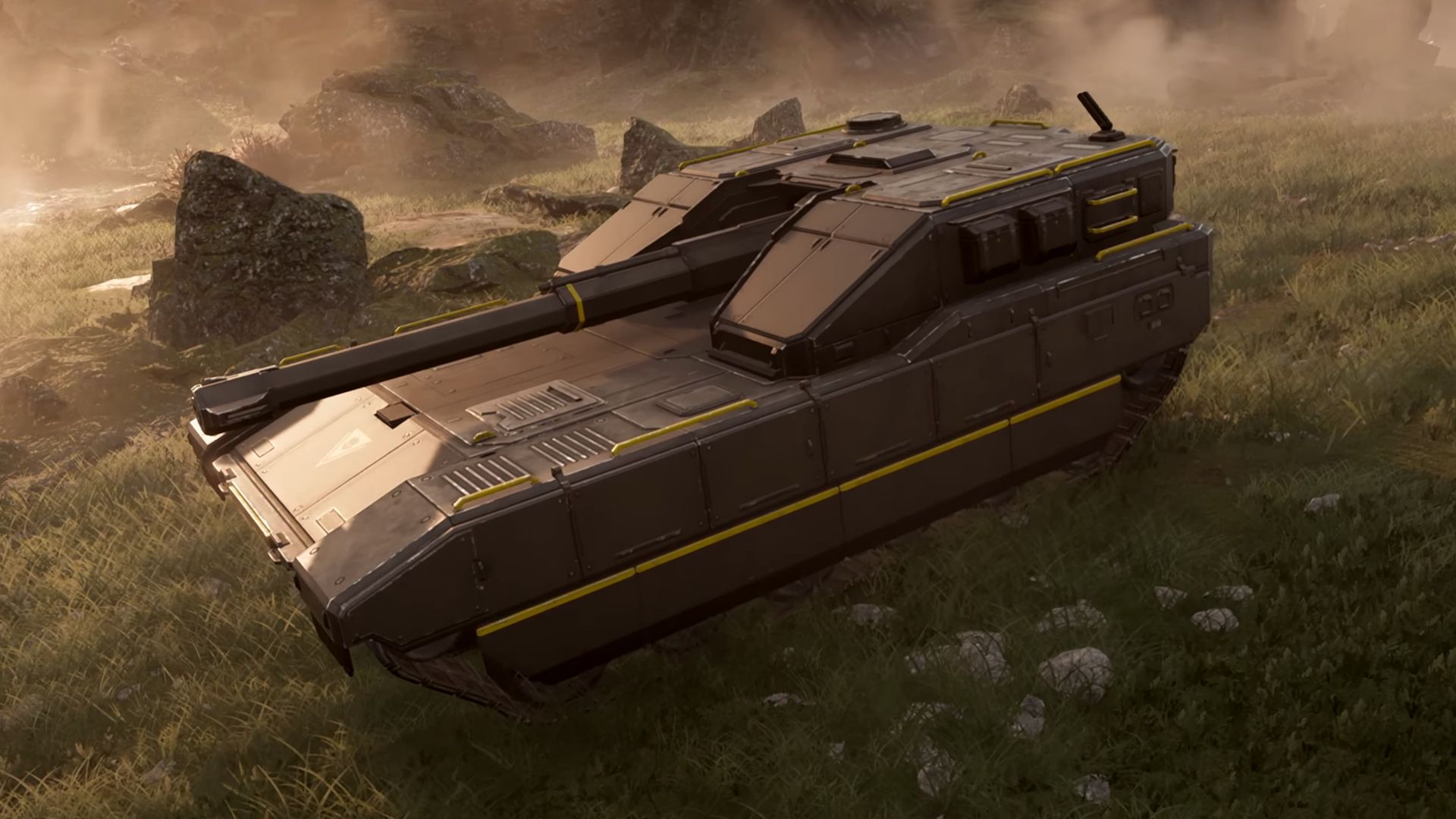
The tank’s crew composition is equally thoughtful. The gunner’s role is now more interactive, with a loading mechanism that requires coordination—meaning the driver can’t just point and shoot while the gunner does all the work. This forces squad leaders to delegate responsibilities, turning the Bastion into a team effort rather than a one-man show. Passengers, though limited in utility, can still assist with reloading or manning secondary weapons, ensuring no resource goes to waste.
A Strategic Weapon for the Right Hands
The Bastion isn’t a plug-and-play solution. Its high cost—requiring 1,200,000 credits to purchase—means it’s not a vehicle to throw into every battle. Instead, it’s a high-stakes gamble, best deployed in large-scale offensives or when facing heavily fortified positions. Its durability makes it ideal for breaching operations, where it can absorb fire while softening targets for follow-up infantry. However, its size and firepower also make it a prime target for enemy snipers and artillery, so misusing it can turn a tactical advantage into a liability.
Super Earth’s push into Cyberstan has made stratagems like the Bastion more accessible, but its true value lies in how it reshapes doctrine. No longer is armor a secondary concern—it’s a core component of modern warfare in *Helldivers 2*. The tank’s arrival signals that the developers are finally treating vehicles as more than just moving targets. They’re weapons. And in a game where every second counts, that’s a game-changer.
The Bastion MK XVI isn’t perfect. It’s still vulnerable in the right hands, and its crew requires training to operate effectively. But for the first time, *Helldivers 2 has a tank that feels like a legitimate force multiplier—a machine that can turn the tide of battle without breaking the game’s relentless pace. After years of frustration, that’s a victory worth celebrating.