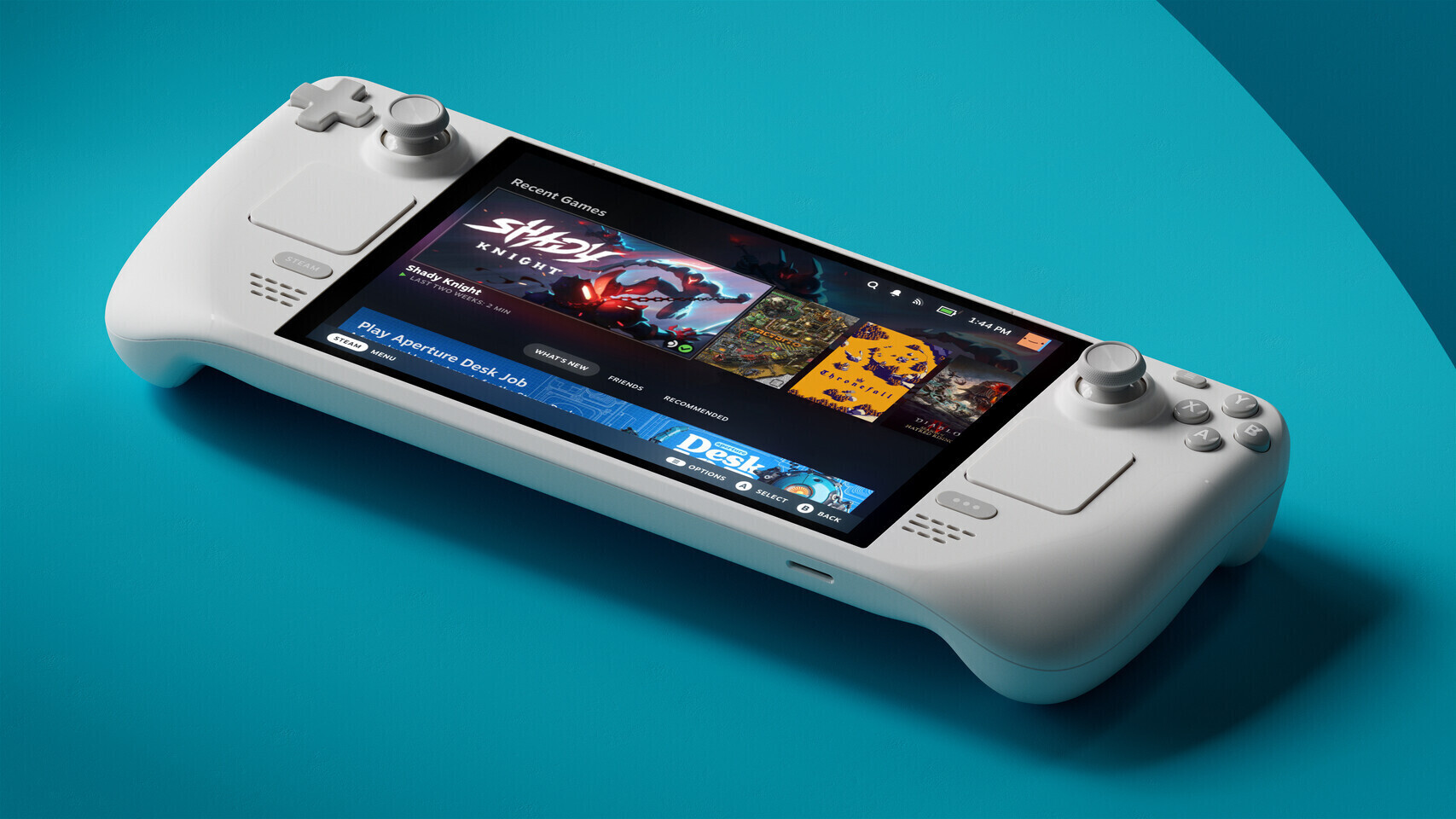
Console-quality gaming on the go is no longer just a dream. A newly announced handheld device pairs Intel’s Arc G3 Extreme GPU with an 8.8-inch OLED display, setting its sights on delivering performance that rivals traditional home consoles—without requiring a living room.
The combination of the Arc G3 Extreme and the bright, high-refresh-rate OLED screen suggests a focus on both visual fidelity and raw power. For creators and developers, this could mean a new platform for testing games across platforms, while consumers may finally see handheld devices that don’t compromise on graphics or performance.
But how does this device stack up against existing options? And what trade-offs might come with its ambitious design?
The power shift
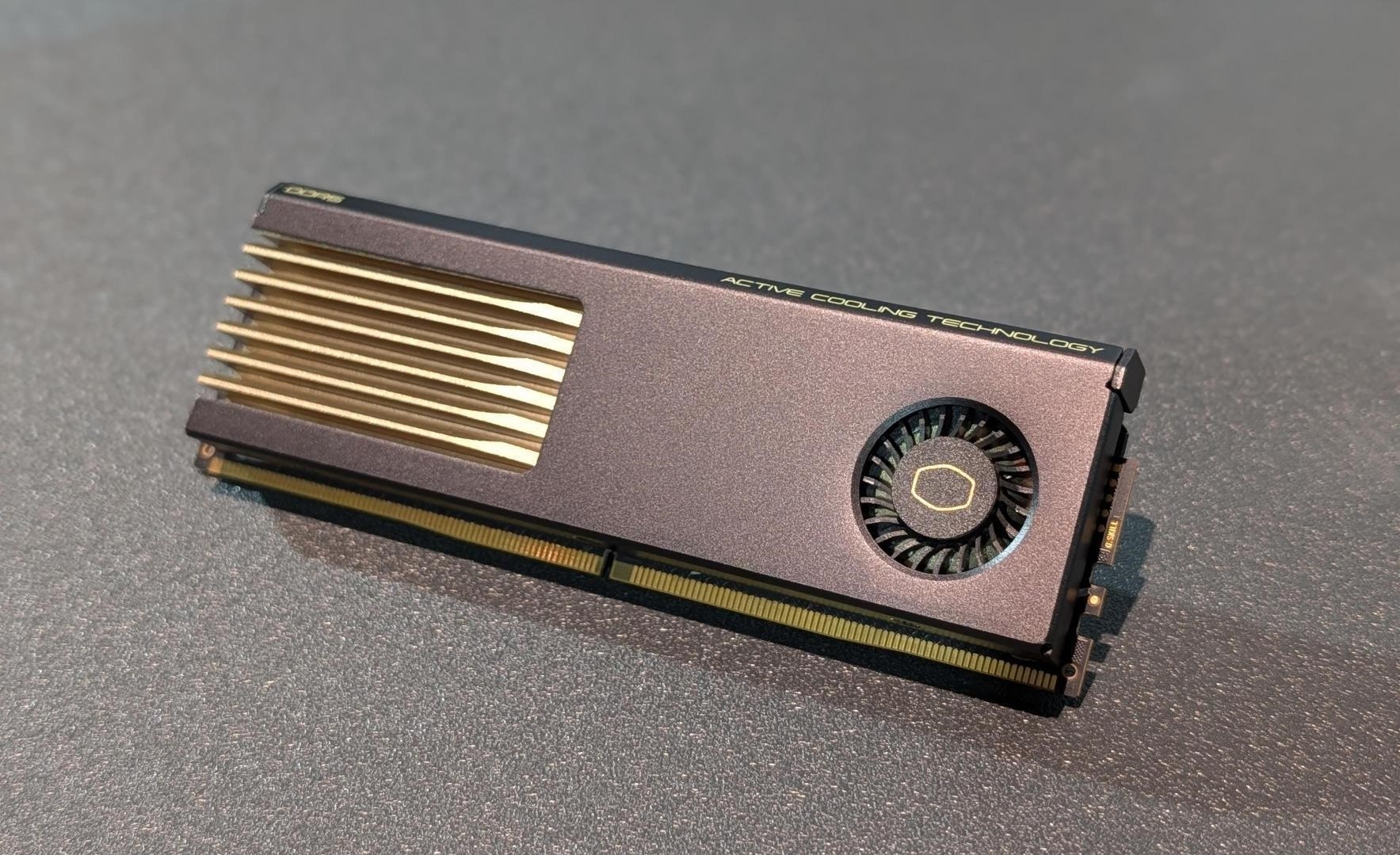
Intel’s Arc G3 Extreme is built around 4GB of GDDR6 memory and a clock speed that pushes it into console-class territory. That’s not just about raw numbers, though—it’s also about how that performance translates to real-world gaming. The GPU is designed for high-efficiency computing, which could mean longer battery life than some competitors, but at the cost of more complex thermal management.
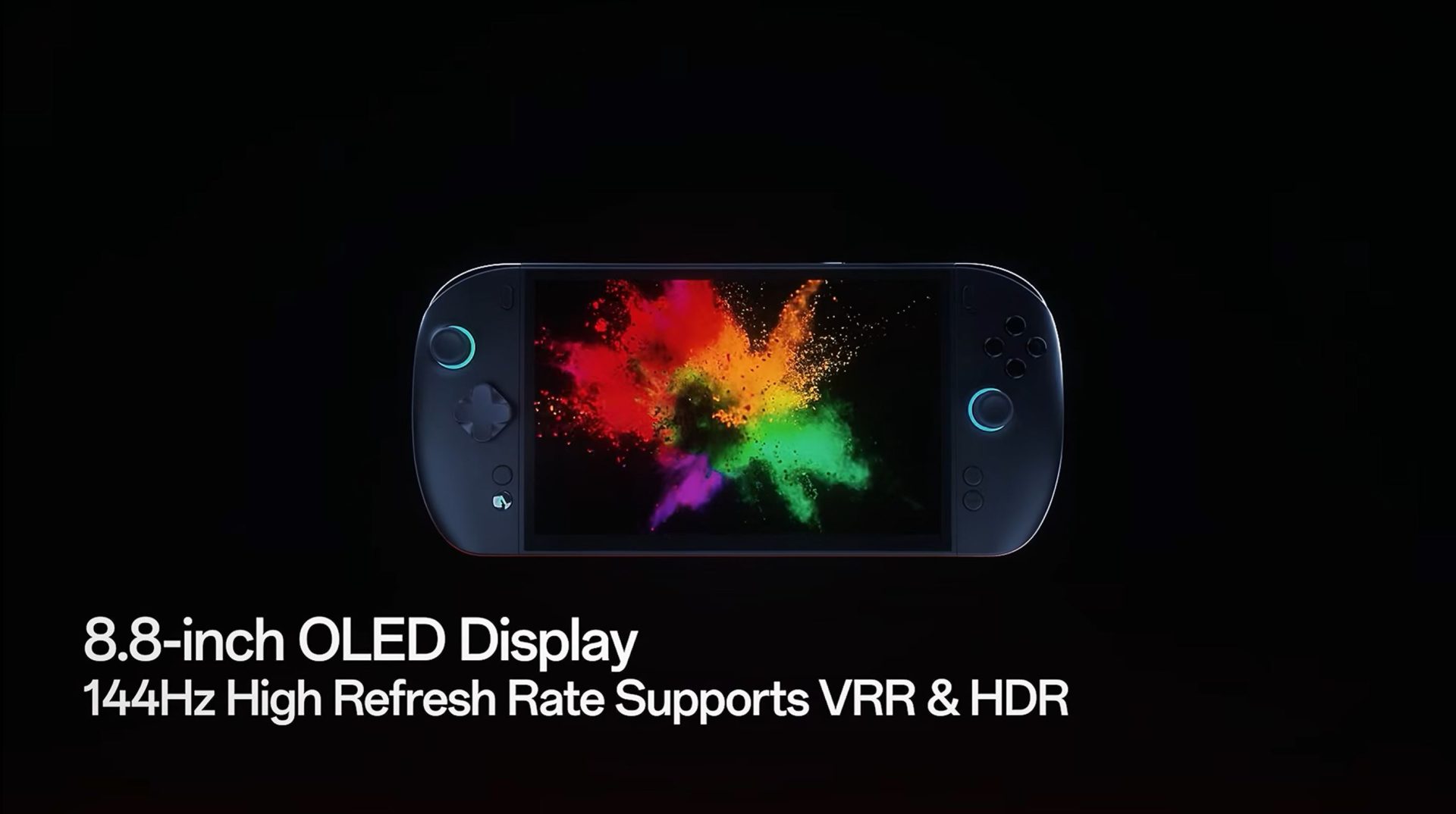
The 8.8-inch OLED display adds another layer to this equation. At a resolution of 1920x1200 and a peak brightness that rivals modern TVs, it’s clearly targeting the visual quality of home consoles. For handheld gaming, this is a significant shift—away from the smaller, lower-resolution screens that have been the norm for years.
Who it’s for
- A platform for game developers to test cross-platform builds without needing multiple devices.
- Consumers who prioritize visual fidelity and performance over battery life or portability trade-offs.
- Creative professionals who need GPU power but also demand a display capable of color accuracy and high brightness.
The device doesn’t come without constraints, though. The focus on high-end specs means it’s unlikely to be the thinnest or lightest handheld on the market. Battery life will probably suffer compared to more efficiency-focused designs, and the price will likely reflect its premium positioning.
What remains unclear
The biggest question is how this device will handle platform compatibility. Will it run Windows-based games natively, or is it locked into a custom ecosystem? If it’s the latter, developers may find themselves building for two separate worlds instead of one. There’s also no word on whether this is just the start of a family of devices—could there be smaller, more portable versions with less powerful GPUs?
For now, the device represents a bold step toward blurring the line between handheld and console gaming. Whether it succeeds will depend on how well Intel balances performance, efficiency, and platform flexibility—a challenge no one has fully solved yet.