The Orange Pi Neo, a Linux-based gaming handheld, is facing an indefinite launch delay due to soaring component costs. The device, originally intended to hit the market in early 2026, now sits on the backburner as developers wait for prices to stabilize.
At the heart of the issue lies the cost of DDR5 memory and storage, which has surged significantly since the project's inception. This price volatility threatens the device's planned pricing, which was set to range between $450 and $550 depending on configuration. With 16 GB or 32 GB RAM options and a dual USB4 port setup, the Orange Pi Neo promised a competitive package for its target market.
The handheld is designed around AMD's Ryzen 7 7840U processor, which offers up to 5.6 GHz clock speeds, paired with either 16 GB or 32 GB of DDR5 RAM. It features a 1080p, 120 Hz display and dual trackpads, catering to gamers looking for portable performance without sacrificing screen quality.
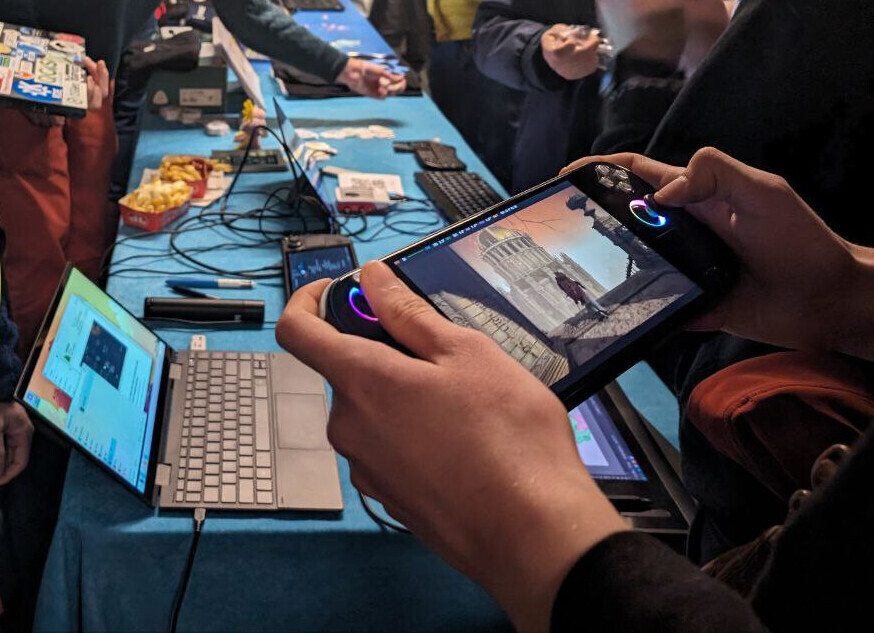
Key Specifications
- Processor: AMD Ryzen 7 7840U (up to 5.6 GHz)
- RAM Options: 16 GB or 32 GB DDR5
- Display: 1080p, 120 Hz
- Ports: Dual USB4 ports
- Storage: Unspecified (likely affected by current market prices)
The delay also means the device's software stack, Manjaro Linux Gaming Edition, has seen significant improvements. However, this creates a challenge for developers if the launch is postponed too long, as updating internal components could become more difficult.
Industry Impact
This situation reflects broader trends in the tech industry, where component shortages and price fluctuations continue to disrupt product timelines. While the Orange Pi Neo's delay may not directly affect other gaming handhelds like the Steam Deck or Nintendo Switch, it underscores the challenges developers face when balancing cost and performance.
The device's FCC and CE certifications are now complete, but without a clear timeline for component price stabilization, its launch remains uncertain. For potential buyers, this delay means waiting for a more favorable market environment before seeing the handheld hit shelves.