GTA V has been a cornerstone of console gaming for over a decade, but the landscape is shifting as next-generation hardware becomes the norm. Rockstar Games is now providing PS4 and Xbox One owners with a free upgrade path to the PS5 or Xbox Series X/S versions, though this transition introduces new practical considerations for players.
The move isn't just about visual enhancements; it reflects a broader industry shift toward modernizing game experiences. The PS4 and Xbox One versions of GTA V, which launched in 2013, will no longer function on newer consoles. However, Rockstar is making the transition seamless by allowing users to transfer their saved data and progress without additional payment.
For businesses or individuals running multiplayer sessions, this change could streamline operations by eliminating compatibility issues. The PS5 version supports 1440p resolution with improved frame rates, while the Xbox Series X/S edition offers similar advancements. Yet, players using older hardware may find themselves needing to upgrade sooner than anticipated, as PS4 and Xbox One consoles are no longer in production.
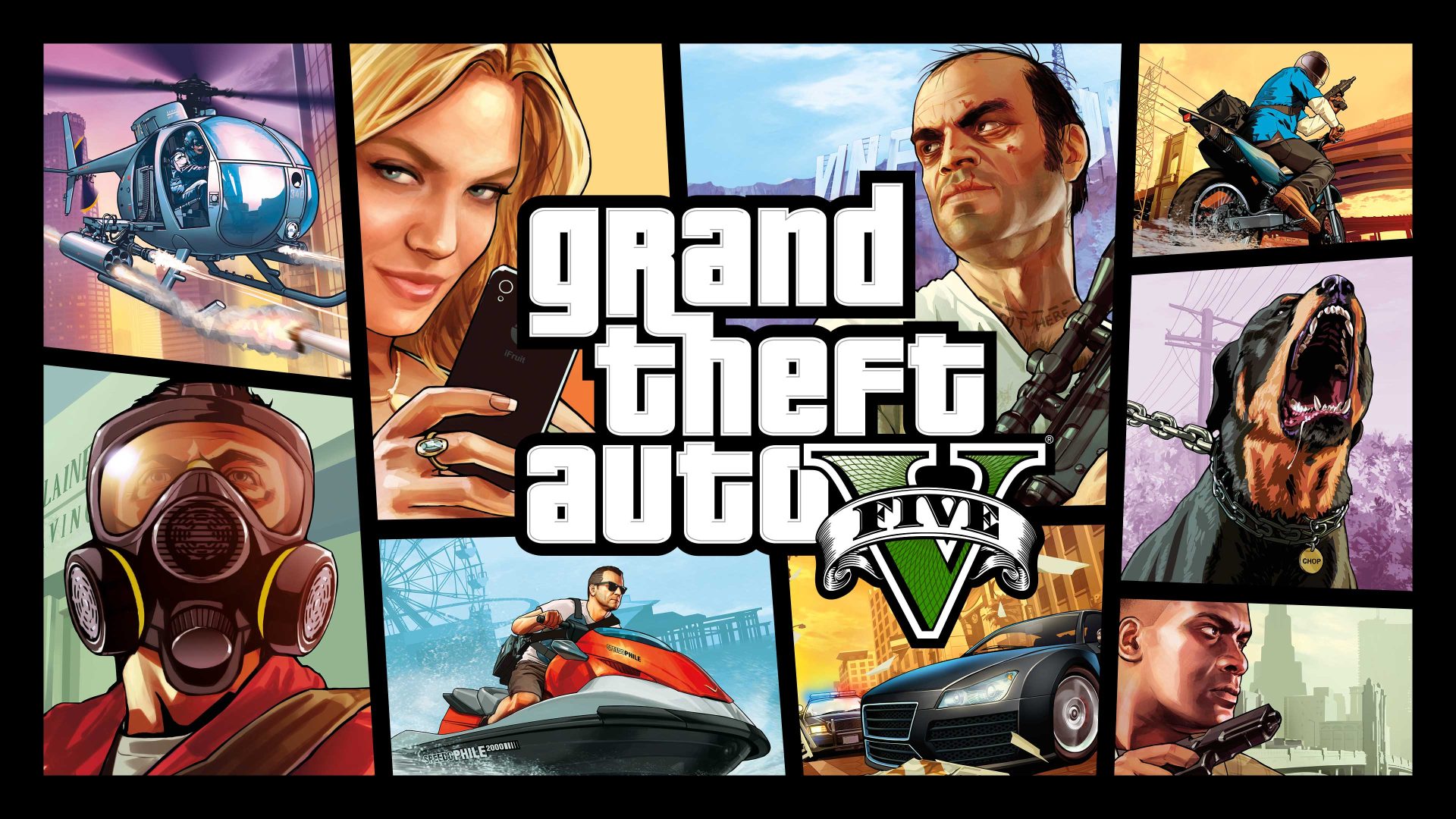
Beyond performance upgrades, the next-gen versions introduce new features designed for modern gaming ecosystems. These include faster load times, enhanced online services, and optimizations for smoother multiplayer experiences. While the free upgrade removes a financial barrier, it also raises questions about whether players should retain their last-gen copies or fully transition to next-gen systems.
Rockstar's decision underscores a growing industry trend where developers align titles with the latest hardware while phasing out support for older platforms. For those operating GTA V servers, this means weighing whether the performance benefits justify the shift, especially when considering the cost and energy efficiency of next-gen consoles.
The free upgrade path makes it easier for players to experience GTA V in its next-gen form without additional expense. However, it also signals a clear direction: the future of gaming is increasingly tied to next-generation hardware, leaving limited room for older systems in long-term planning.