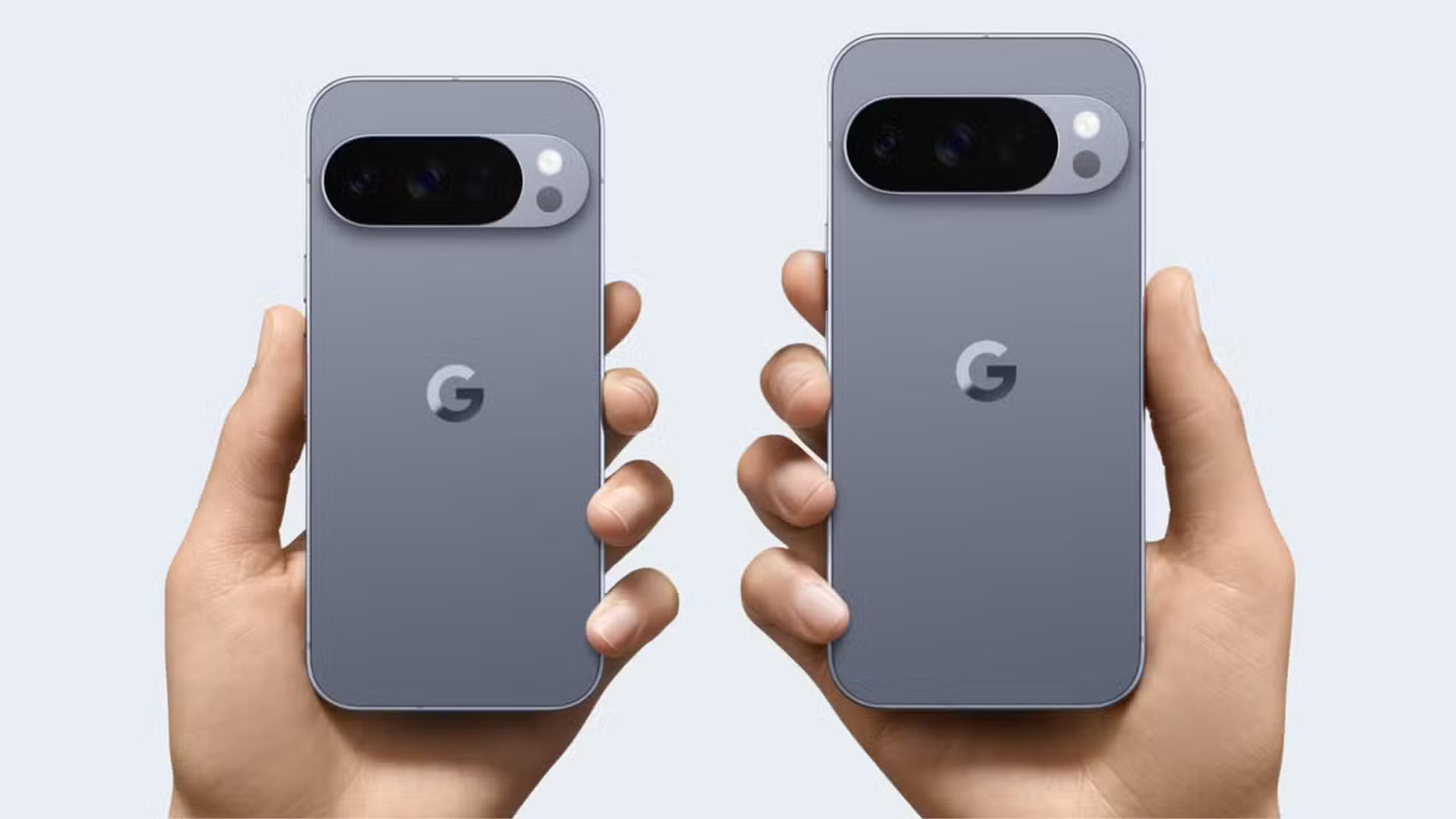
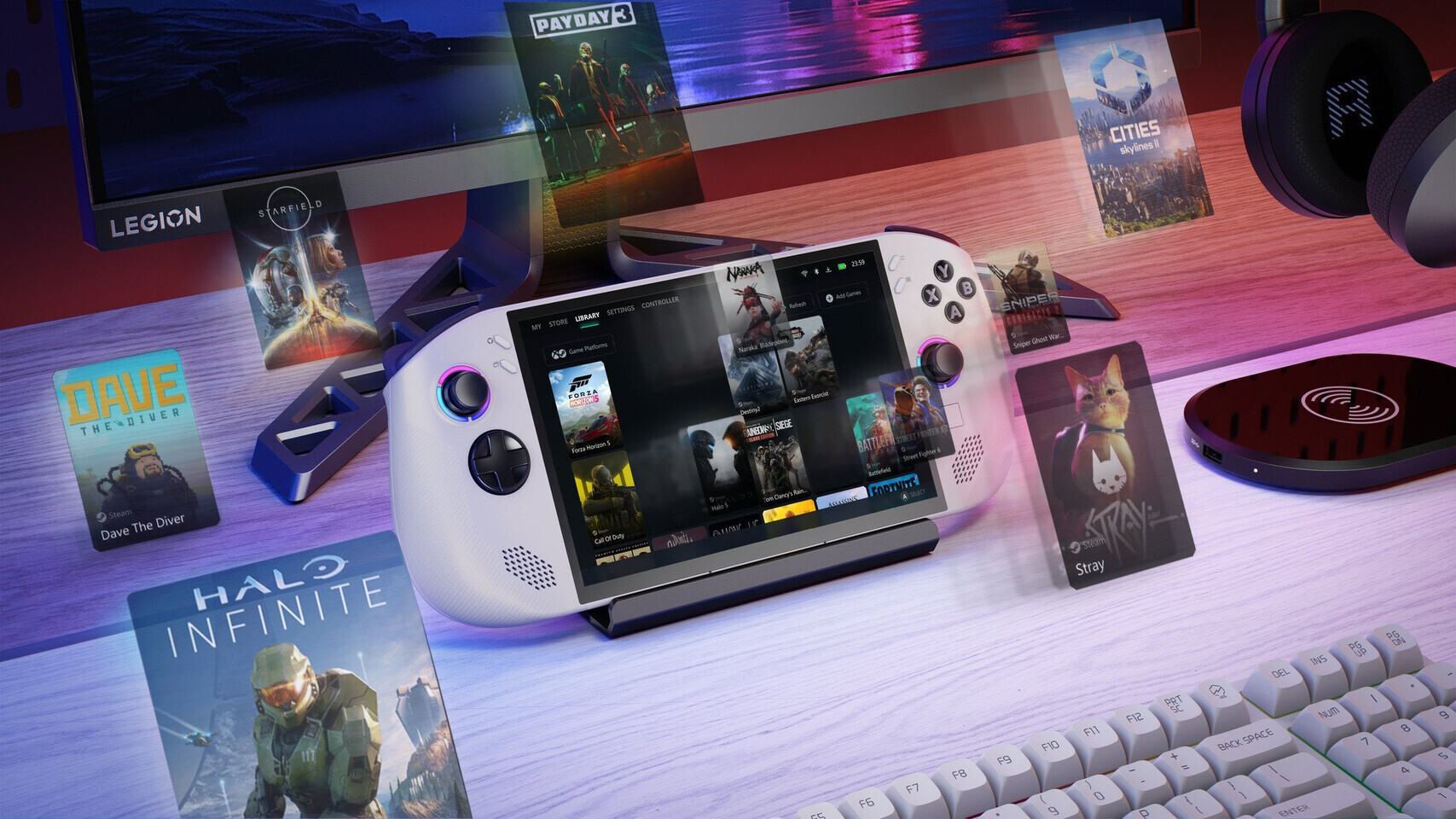
Google’s attempt to merge artificial intelligence with traditional gaming hardware has hit a wall—one that challenges not just its own roadmap but the broader assumption that AI will reshape PC gaming overnight.
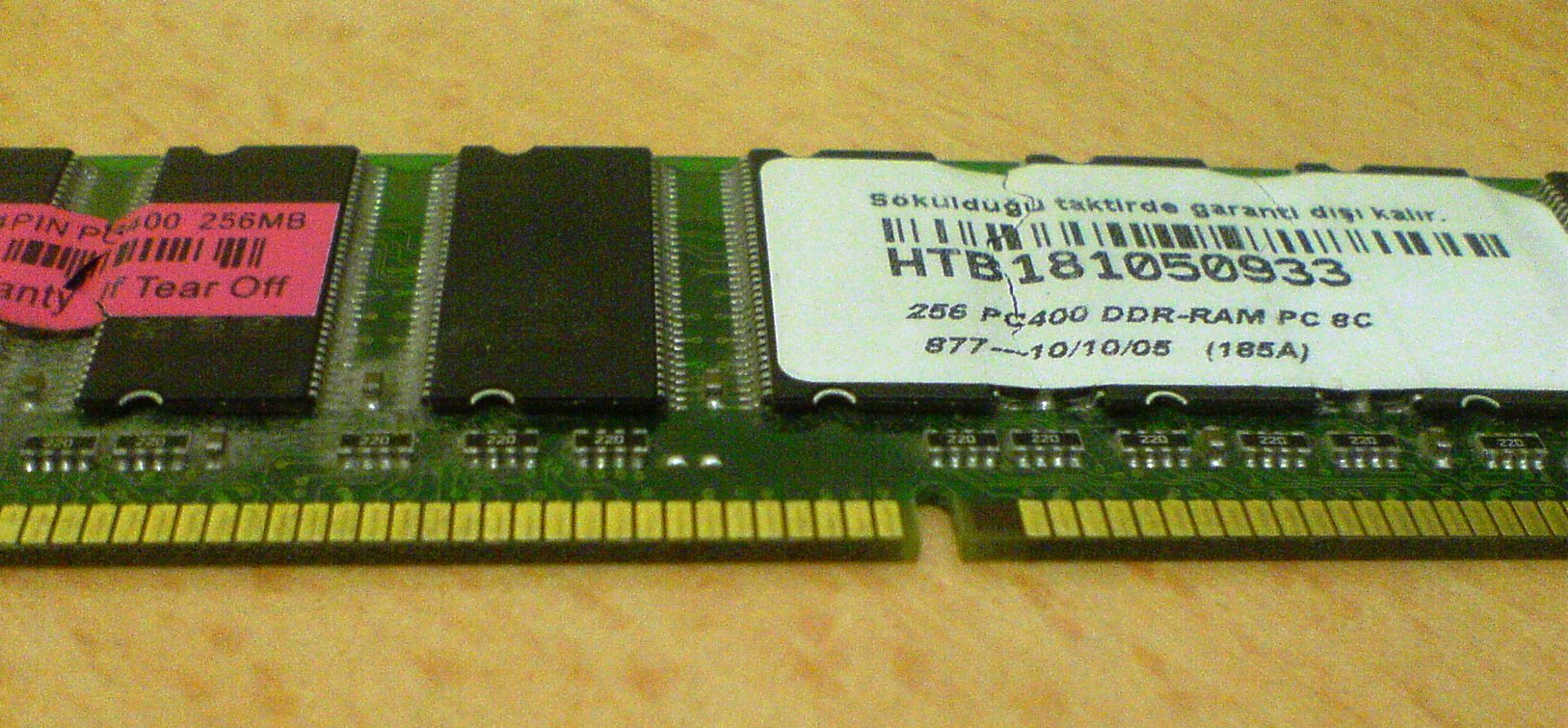
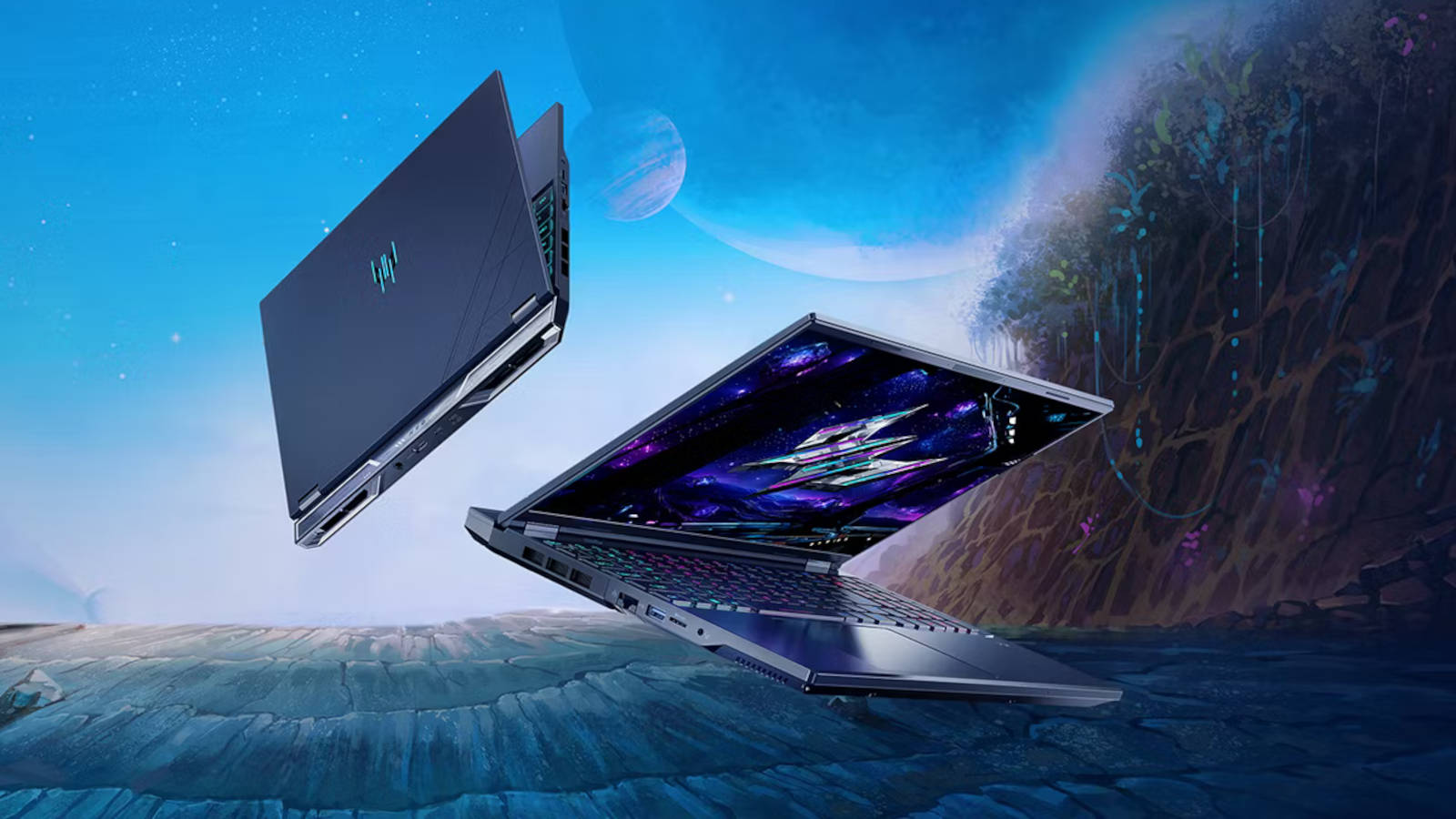
The company’s latest effort, codenamed ‘Project Panda,’ aims to integrate AI acceleration into gaming PCs. On paper, it promises 128 GB of DDR5 RAM, a custom Tensor core for AI workloads, and clock speeds that rival high-end GPUs. But in practice, benchmarks show only modest gains over current hardware, while the price tag—starting at $3,499—positions it as a premium tier product without clear mass appeal.
Why It Matters
The stumble isn’t just about specs; it’s about timing. Google’s bet on AI-driven gaming comes as PC manufacturers double down on traditional performance metrics like FPS and ray tracing. Creators, whether indie developers or AAA studios, are locked into established platforms with mature tooling and ecosystems. Switching to a new architecture—even one backed by Google—requires not just hardware but software buy-in, which hasn’t materialized.
Market Dynamics
- AI acceleration remains niche; most gaming workloads still rely on raw GPU power.
- Pricing and platform lock-in deter adoption, especially for creators who prioritize compatibility over bleeding-edge features.
- Google’s long-term vision hinges on cloud integration, but local performance is the immediate bottleneck.
The bigger question is whether Google can pivot before it loses momentum. Competitors like Nvidia have already embedded AI into their roadmaps without disrupting workflows. For Google, the window to prove its approach is closing fast—unless it rethinks what ‘AI gaming’ truly means for creators on the ground.