Nvidia’s DLSS 4.5 has solidified its dominance as the preferred upscaling solution among gamers, according to a large-scale blind test conducted by a European tech publication. The study, which polled over 1,000 participants, pitted DLSS against AMD’s FSR and native 4K rendering in six games—Anno 117, Arc Raiders, Cyberpunk 2077, Horizon Forbidden West, Satisfactory, and The Last of Us Part II—and the results were decisive.
DLSS emerged as the top choice in every title, with native 4K rendering finishing second and AMD’s FSR consistently trailing in last place. The margin varied by game, but DLSS’s lead was particularly pronounced in Satisfactory, where 60.9% of voters favored it over 15.1% for native 4K and just 12.4% for FSR. Even in Cyberpunk 2077, where preferences were closest—34.4% DLSS, 32.4% native, 10.6% FSR—the upscaler still held the edge.
The test used a side-by-side comparison tool allowing participants to scrutinize differences at full resolution, adjusting playback speed, zooming in on details, and toggling between modes. This forensic-level evaluation ensured a fair, unbiased assessment, with no labels identifying which rendering method was being viewed.
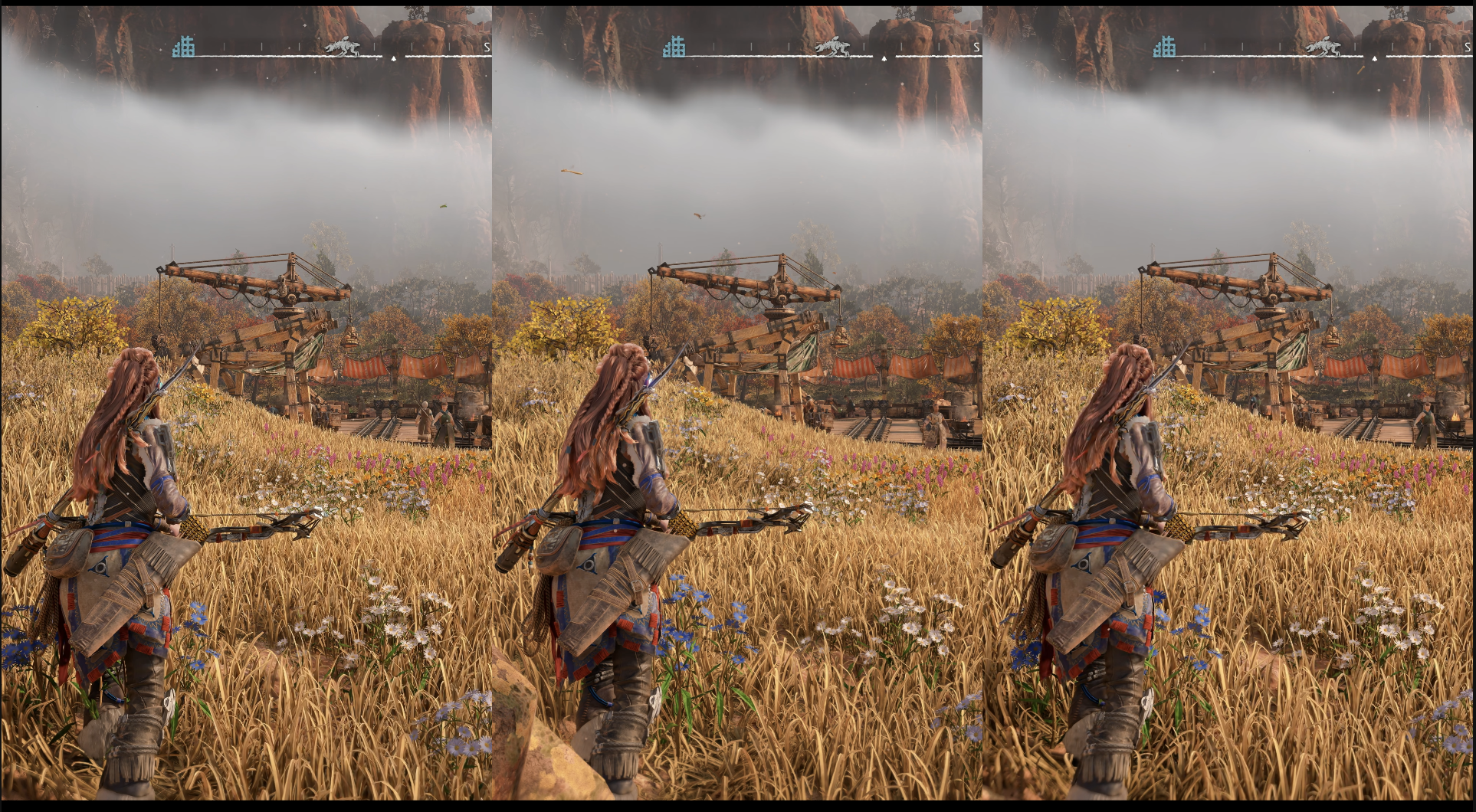
Why does DLSS perform so well? Beyond its AI-driven sharpening—capable of enhancing textures beyond their native resolution—the technology benefits from optimizations baked into modern game engines. Many titles now prioritize upscaled quality over raw 4K rendering, meaning DLSS can deliver finer details while maintaining smoother performance.
AMD’s FSR, despite improvements in its latest iteration (FSR 4 or Redstone), still lagged behind in this comparison. The gap suggests DLSS’s deeper integration with Nvidia’s hardware and software stack, as well as its earlier start in refining AI upscaling. Meanwhile, Intel’s XeSS—though not included in this test—remains a wildcard, offering a middle-ground alternative that could challenge DLSS’s supremacy if adoption grows.
The findings underscore a broader trend: as AI-driven upscaling matures, native 4K rendering is losing its unquestioned status as the gold standard. For gamers balancing performance and visual fidelity, DLSS’s ability to deliver near-4K quality at lower resolutions may have become the new benchmark.