The video game industry is at a crossroads. A recent survey by the GDC Festival of Gaming paints a picture of a workforce hungry for collective bargaining power, yet deeply divided over the role of generative AI in development pipelines. The findings suggest a seismic shift in labor dynamics—one that could reshape how studios operate—but also highlight lingering concerns about whether emerging technologies are truly beneficial.
The data is striking: 82% of U.S. game workers support unionization, with opposition nearly nonexistent among younger developers (ages 18–24), where zero respondents opposed the idea. This comes as unions representing Ubisoft employees in France have already mobilized, staging a three-day international strike in response to cost-cutting measures and high-profile game cancellations. The survey underscores a broader trend: workers in an industry known for long hours and precarious contracts are increasingly demanding structural protections.
Yet while unionization gains momentum, generative AI remains a polarizing force. Only 36% of developers report using AI tools daily, but adoption varies sharply by discipline—with 58% of publishing employees leveraging AI compared to just 30% at development studios. Even among users, skepticism runs deep. A majority of visual artists (64%), designers (63%), and programmers (59%) believe AI is harming the industry, with only 7% viewing it as a net positive. The tools are most commonly deployed for research (81%), email assistance (47%), and prototyping (35%), but their long-term creative and technical implications remain unresolved.

Where Does the Industry Stand on Next-Gen Platforms?
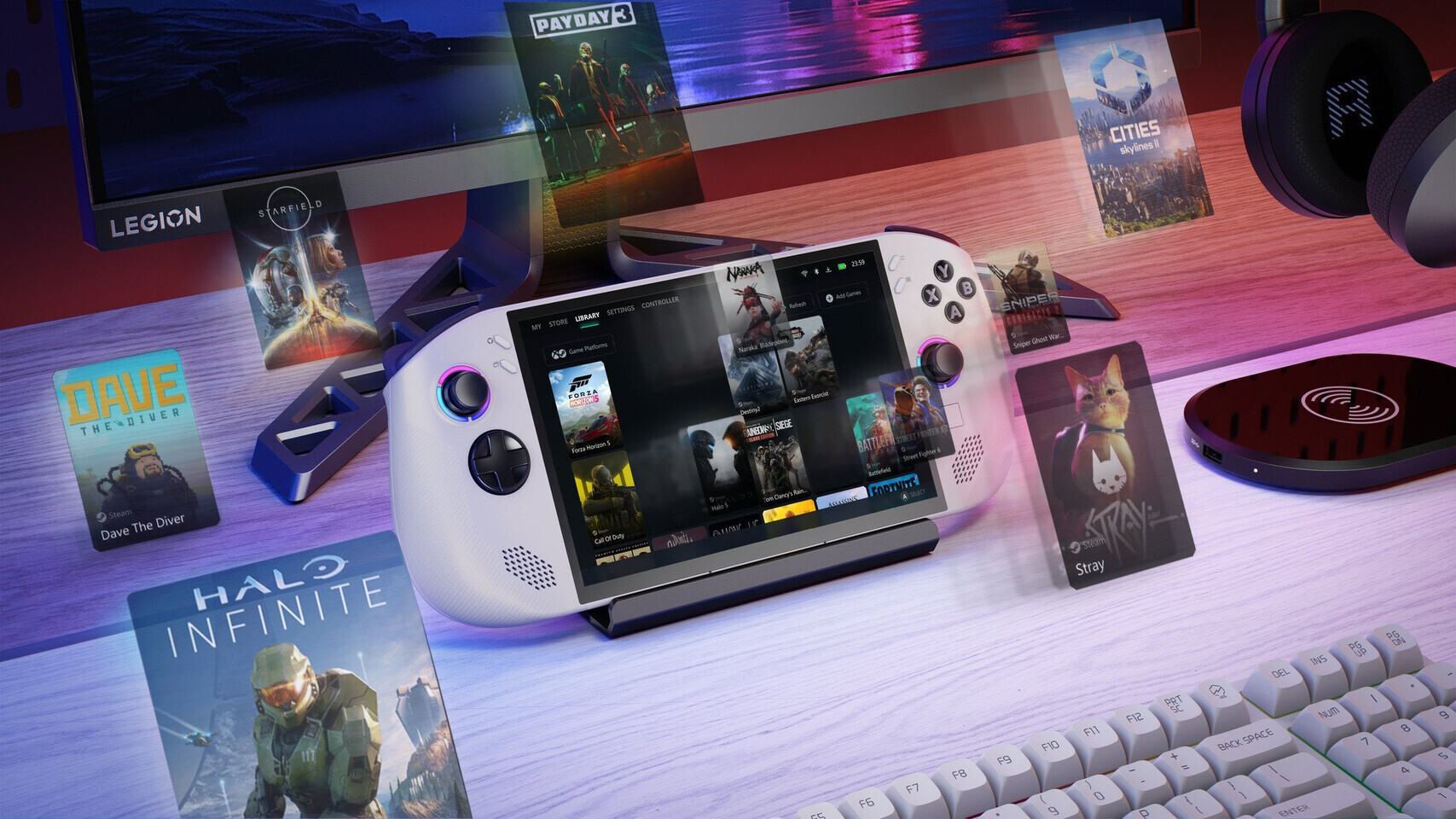
The survey also sheds light on where developers are focusing their efforts. While PC remains the dominant platform—cited by 73% of respondents as a top priority—28% of studios are actively optimizing for the Steam Deck, making it the fourth most-targeted platform. Interest in the Steam Deck (40%) is nearly equal to that for the upcoming Nintendo Switch 2 (39%), signaling a shift toward handheld and hybrid gaming as a viable market beyond traditional consoles and PCs.
Engine Wars: Unreal vs. Unity
The choice of development tools remains a defining divide. Unreal Engine leads the pack as the primary engine for 42% of developers, particularly among AAA and mid-sized studios, while Unity holds second place at 30%—though it dominates among indie creators. This split reflects broader industry trends: Unreal’s strengths in high-end graphics and scalability appeal to larger teams, while Unity’s accessibility and asset store make it the go-to for smaller, experimental projects.
For studios weighing their options, the survey’s insights offer a snapshot of an industry in transition—one where labor rights and technological disruption are colliding. The question now is whether these shifts will lead to better working conditions, or simply accelerate the industry’s reliance on tools whose long-term effects remain unclear.