The Galaxy S26 Ultra’s camera system, long a hallmark of Samsung’s premium smartphones, now faces a stark hardware reality: it’s not just about software tricks anymore. While the company has relied on computational photography to stretch sensor capabilities, the physical dimensions of its new flagship’s cameras now lag behind rivals like Vivo’s X300 Ultra—despite sharing a similar four-camera layout.
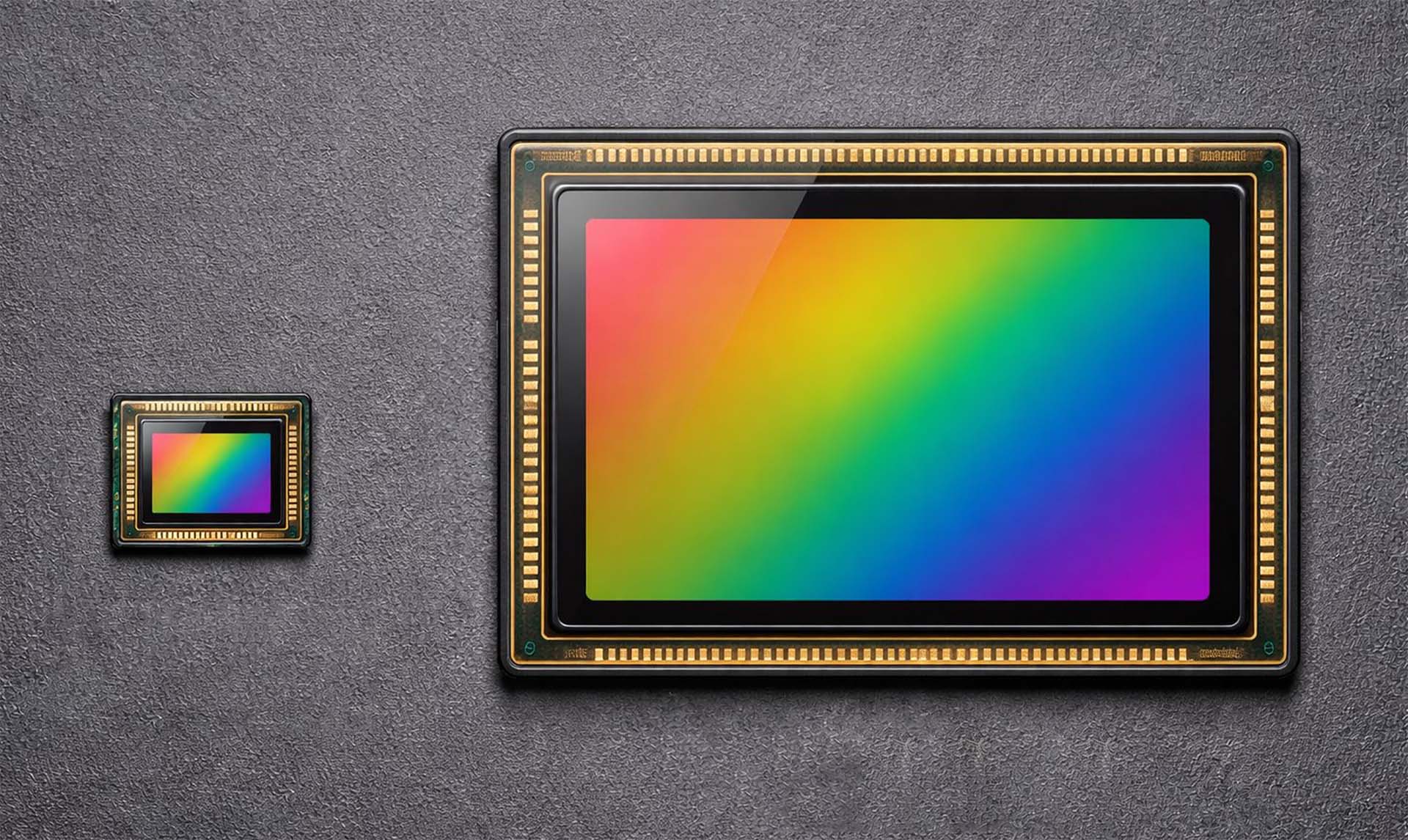
A direct comparison reveals a critical shortcoming. The Galaxy S26 Ultra’s secondary sensors, which play a pivotal role in low-light performance and zoom capabilities, are noticeably smaller than those in Vivo’s flagship. Larger sensors allow more light to reach the image processor, a fundamental advantage that computational enhancements can only partially compensate for. The result? A system that, on paper, resembles a mid-range offering rather than an Ultra-tier device.
The only edge Samsung retains is an extra periscope telephoto lens, but hardware alone doesn’t guarantee superior results. Real-world testing will determine whether Samsung’s software optimizations bridge the gap—or if users are left with a camera system that feels incrementally better than its predecessor rather than a generational leap.
For years, Samsung has prioritized computational photography over raw hardware upgrades, a strategy that worked when competitors moved slowly. But the Galaxy S26 Ultra’s camera sensors—particularly the secondary units—now underperform against Vivo’s X300 Ultra in physical size, a metric directly tied to image quality in challenging lighting conditions. The primary wide-angle sensors are comparable, but the telephoto and ultra-wide modules trail behind, raising concerns about low-light capabilities and zoom performance.
The hardware compromises extend further. The S Pen, a signature feature of Samsung’s Ultra series, is reportedly missing Bluetooth connectivity—a first for the line. Meanwhile, the 5,000mAh battery, identical to the Galaxy S25 Ultra’s, contradicts claims of extended runtime, leaving efficiency gains unproven until real-world tests confirm.
Key specs: Camera hardware
- Primary wide-angle: Comparable to competitors (size not disclosed, but no significant advantage)
- Secondary sensors: Smaller physical area than Vivo X300 Ultra’s, impacting low-light and zoom performance
- Periscope telephoto: Included (Samsung’s only hardware edge over Vivo’s three-camera setup)
- Computational optimizations: Heavy reliance on AI/software to offset hardware limitations
The trade-off is clear: Samsung’s approach delivers incremental improvements where it matters most (software), but at the cost of hardware that increasingly feels like a step backward in the flagship race. Whether this strategy pays off remains to be seen—once the S26 Ultra arrives and benchmarks reveal how much software can truly compensate for smaller sensors.
With competitors like Vivo and even Google pushing larger sensors in their flagships, Samsung’s conservative camera strategy may no longer suffice. The Galaxy S26 Ultra’s hardware choices suggest a focus on refinement over innovation—a shift that could satisfy existing users but risks alienating those who demand cutting-edge imaging technology. Real-world performance tests, expected in the coming weeks, will determine if the Ultra’s computational photography can close the gap—or if Samsung has finally hit a hardware wall.