Mozilla’s attempt to redefine Firefox as an AI-powered browser has collapsed under the weight of user resistance, forcing a dramatic pivot just weeks before release. The company’s decision to embed generative AI features—including a sidebar chatbot, AI-assisted translations, and automated tab organization—without explicit consent triggered a storm of criticism. Now, with version 148 arriving February 24, Mozilla is offering something no other major browser has: a total killswitch for all AI functions.
The new setting allows users to disable individual AI features or shut them down entirely with a single toggle. Unlike competitors that bury opt-outs in labyrinthine menus, Firefox’s approach is straightforward: a persistent, update-proof switch that ensures users who reject AI assistance won’t encounter it again. This marks a rare victory for digital autonomy in an era where tech giants increasingly default to AI-driven interfaces.
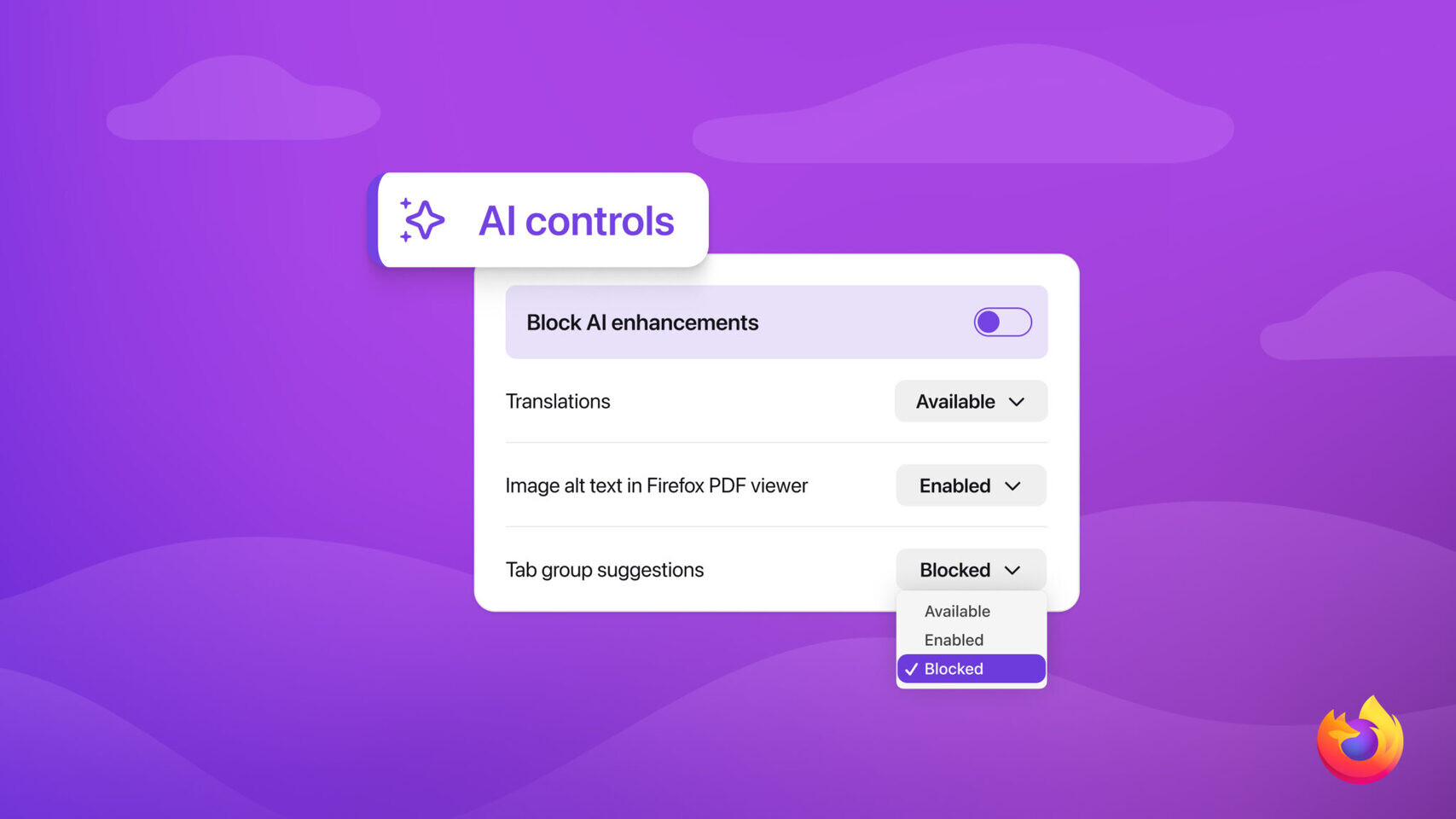
The AI Features You Can Now Disable
- AI Chatbot: Sidebar-based assistant for queries, disabled by default in 148.
- AI Translations: Real-time language conversion in web pages.
- Alt Text in PDFs: Auto-generated descriptions for scanned documents.
- Tab Grouping: AI-driven organization of browsing sessions.
- Link Previews: AI-generated summaries for shared links.
For power users and privacy advocates, this is a game-changer. While Microsoft and others have scaled back AI in response to user pushback, none have offered such a blunt, system-wide rejection tool. The move reflects a broader trend: tech companies are learning that forcing AI onto users—rather than offering it as an optional layer—risks alienating the very audiences they claim to serve.
Why This Matters for Firefox’s Future
Mozilla’s U-turn wasn’t just about placating critics. Early testing revealed that many users viewed AI features as intrusive rather than helpful, particularly in workflows where precision matters—such as coding, research, or multitasking. The killswitch isn’t just a technical fix; it’s a philosophical shift. By prioritizing user control, Firefox positions itself as the anti-AI-overload browser in a market where others are doubling down on forced integration.
For now, Nightly channel users can test the feature immediately, while stable releases follow on February 24. Whether this reversal signals a permanent course correction or a temporary concession remains to be seen—but for the first time in years, Firefox is listening.