The Fedora Project has released the beta version of Fedora 44, offering a preview of what’s to come in the full release later this month. This iteration brings notable advancements, particularly under the hood, with updates that promise to reshape how Linux users interact with their workstations.
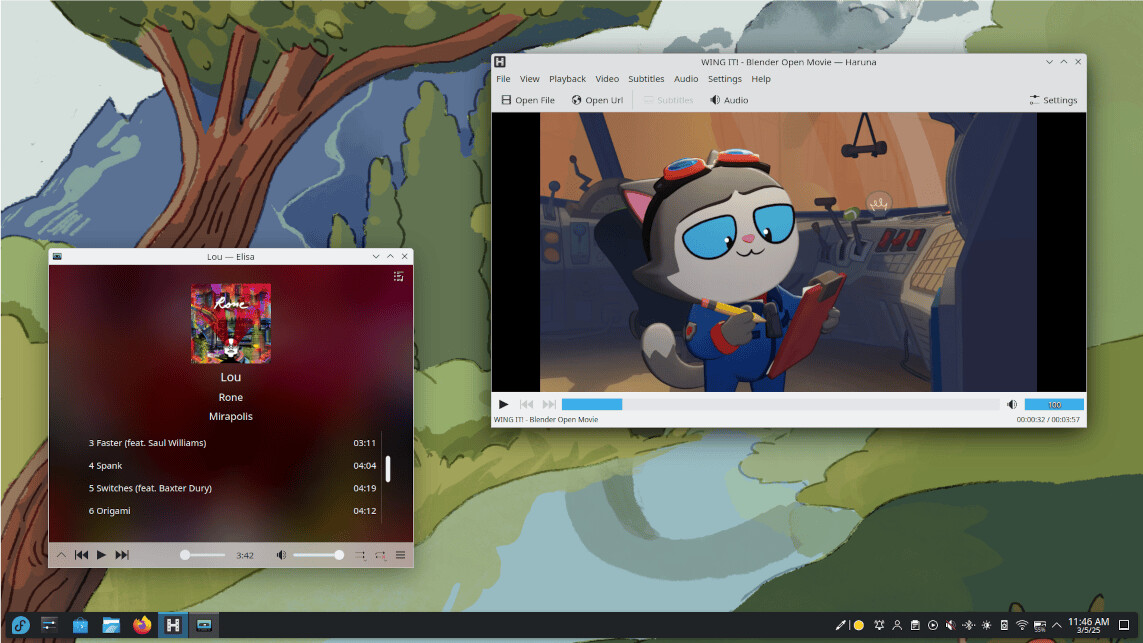
At the core of Fedora 44 is the adoption of GNOME 50 and KDE Plasma 6.6, both of which introduce refinements in user experience and system integration. The underlying Linux 6.19 kernel further enhances performance, particularly for older AMD GPUs, while the transition to Wayland across multiple desktop environments signals a broader shift toward modern display protocols.
Performance and Stability: A Closer Look
The beta release also addresses long-standing pain points in Linux distributions, such as the installer’s handling of network profiles. Fedora 44 refines this process, eliminating unnecessary configurations that could complicate later setups. Additionally, the move to IBus 1.5.34 improves emoji and input method support, while updates to various frameworks and programming languages aim to bolster security and modernize the OS.
Key Specs
- Desktop Environments: GNOME 50, KDE Plasma 6.6, Budgie 10.10 (migrating from X11 to Wayland)
- Kernel: Linux 6.19
- Login Manager: Transition from SDDM to Plasma Login Manager for KDE editions
- Input Support: IBus 1.5.34 for improved emoji and input method handling
- Build Infrastructure: Enhanced predictability and reproducibility in package builds
These updates collectively aim to streamline workflows, particularly for power users who rely on Linux for development or creative tasks. The shift toward Wayland, for instance, promises smoother display handling, while the refined installer experience reduces setup friction.
The full release of Fedora 44 is scheduled for April 14, 2026, but beta ISOs are now available for testing across workstation, server, cloud, and IoT versions. For those eager to get a taste of what’s coming, the beta provides an early glimpse into how these changes will impact daily use.
Looking ahead, the focus remains on performance-per-watt efficiency and thermal management, areas where Linux distributions continue to push boundaries. As AI workloads become more prevalent, the optimizations in Fedora 44 could set a new benchmark for compute-intensive tasks, making it a release worth watching closely.