The second entry in the Fatal Frame series returns with a full remake that balances reverence for the original with thoughtful modernization. At its core, it’s a story about two sisters—Mio and Mayu Amakura—whose fractured relationship unravels as they explore Minakami Village, a place steeped in ritualistic darkness and supernatural dread.
This isn’t just a port or a simple remaster; it’s a reimagining that replaces the original’s fixed camera angles with an over-the-shoulder third-person perspective. That shift alone makes it feel like a different game, one that aligns more closely with modern survival-horror standards while preserving the series’ defining mechanic: Camera Obscura.
The core gameplay loop is unchanged—Mio wields a camera to capture ghosts, each shot dealing damage or stunning enemies—but the execution has been refined. New film types and filters add depth, allowing players to see residual memories, highlight hidden elements, or stun foes with precision. Yet, the system’s simplicity can also become its greatest frustration. Early encounters, particularly against ghosts that hide or ambush, test patience more than they thrill.
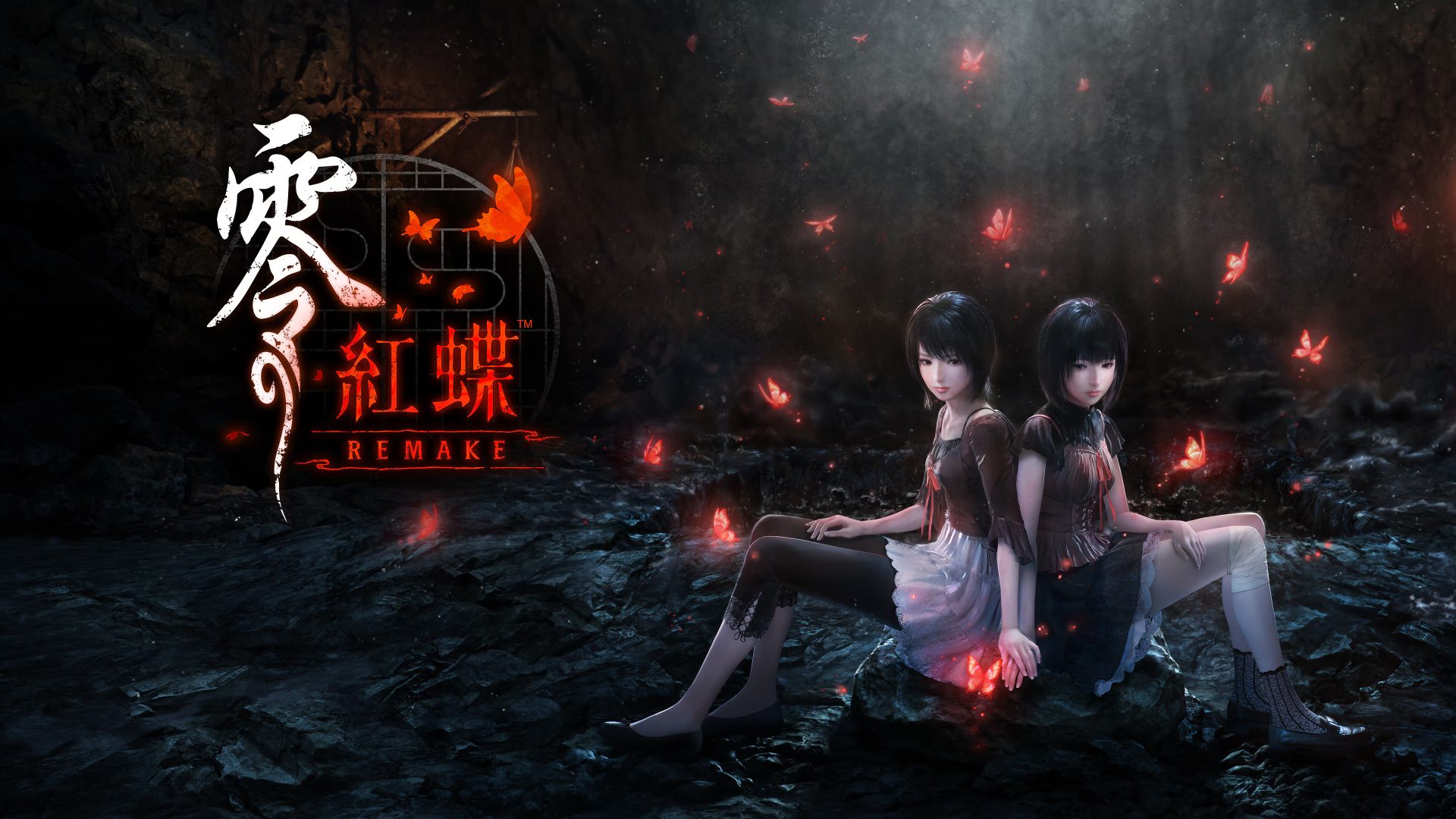
Puzzles, however, shine. They’re designed with intentionality, often requiring players to manipulate Camera Obscura filters to uncover hidden paths or restore cursed objects. This integration feels masterful, turning what could be a gimmick into a cornerstone of the experience.
The visual overhaul is striking. Minakami Village has been rebuilt using Koei Tecmo’s Katana Engine, delivering detailed textures and an atmosphere that lingers long after the screen fades to black. On PC, performance is strong—60 FPS in 4K with minimal stuttering—but the game remains locked at 30 FPS during cutscenes, creating a slight disconnect.
New content, including side stories triggered by Broken Spirit Stones and expanded sister dynamics (holding hands restores health and spirit), adds layers without feeling forced. The addition of new locations like Umbral Mound and Eikado Temple further enriches the world.
The result is a remake that succeeds where it matters most: atmosphere, story, and puzzle design. Combat remains a challenge, but for fans willing to endure its frustrations, the payoff is undeniable—a survival-horror experience that feels both ancient and new.