The Exynos 2600's heat pass block has emerged as a surprising leader in thermal efficiency, outperforming even the most aggressive cooling setups on competing chips. This new data point suggests that Samsung's homegrown solution could redefine what's possible for mobile SoCs without relying on extreme cooling methods.
While the Snapdragon 8 Elite Gen 5 has been pushed to its limits with liquid nitrogen, the Exynos 2600 demonstrates that passive cooling can achieve comparable thermal performance in real-world scenarios. This could have significant implications for IT teams evaluating upgrade paths and long-term roadmaps.
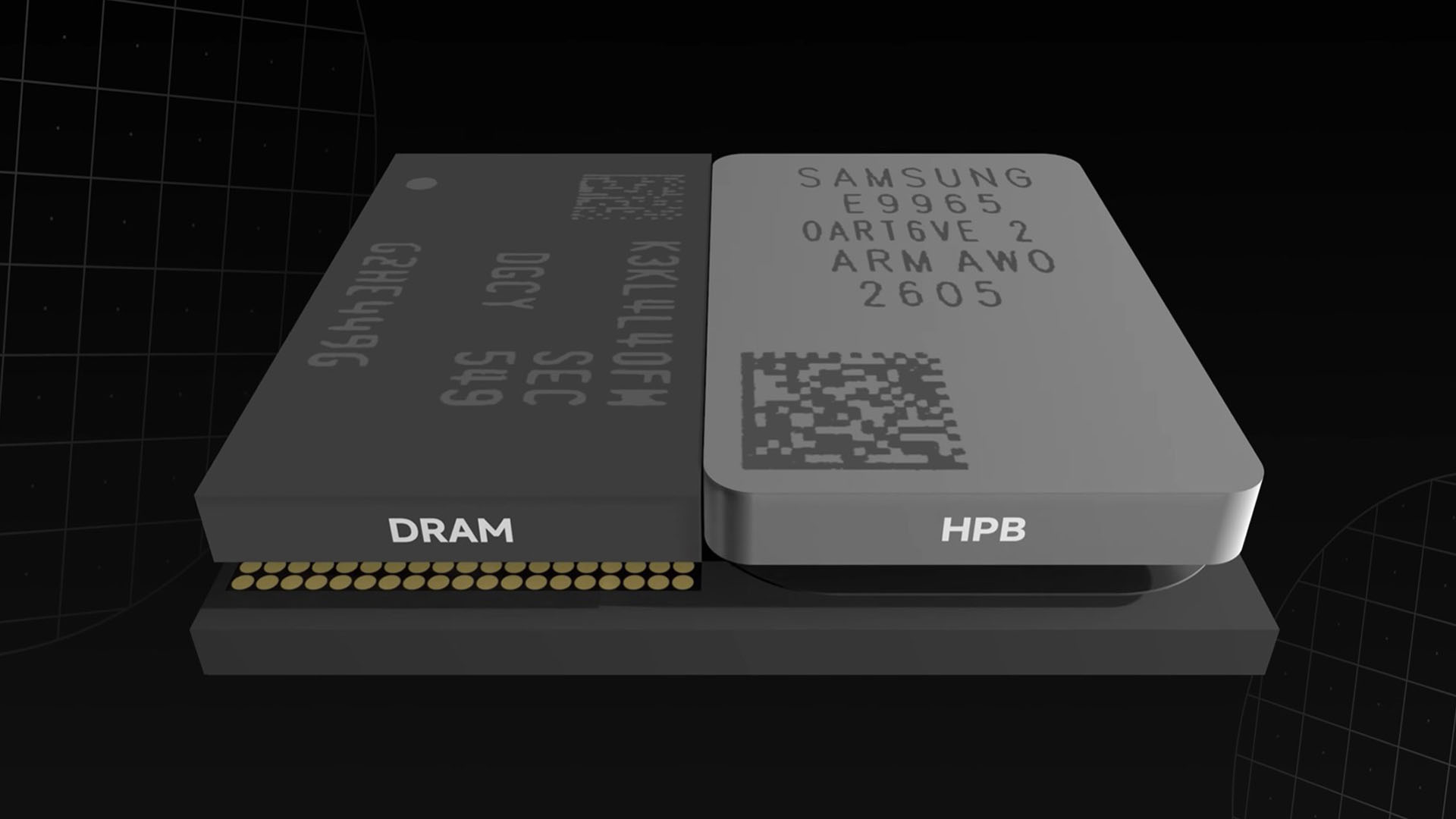
- Thermal Performance: The Exynos 2600's heat pass block maintains stable temperatures under sustained loads, outperforming the liquid-nitrogen-cooled Snapdragon 8 Elite Gen 5 in benchmarks.
- Power Efficiency: Achieves superior performance-per-watt metrics, suggesting better battery life and thermal management for extended use cases.
- Cooling Method: Passive cooling (heat pass block) versus active liquid nitrogen cooling on the Snapdragon 8 Elite Gen 5.
The key takeaway is that Samsung's approach to thermal design could eliminate the need for aggressive cooling solutions in future SoCs. For IT teams, this means more reliable hardware performance without the added complexity of specialized cooling infrastructure. The Exynos 2600's efficiency also hints at a potential shift toward more sustainable and scalable chip designs.
This development raises questions about whether other manufacturers will adopt similar passive cooling strategies to meet growing demands for power-efficient, high-performance mobile SoCs. If the trend continues, it could reshape upgrade cycles and thermal management practices in the industry.