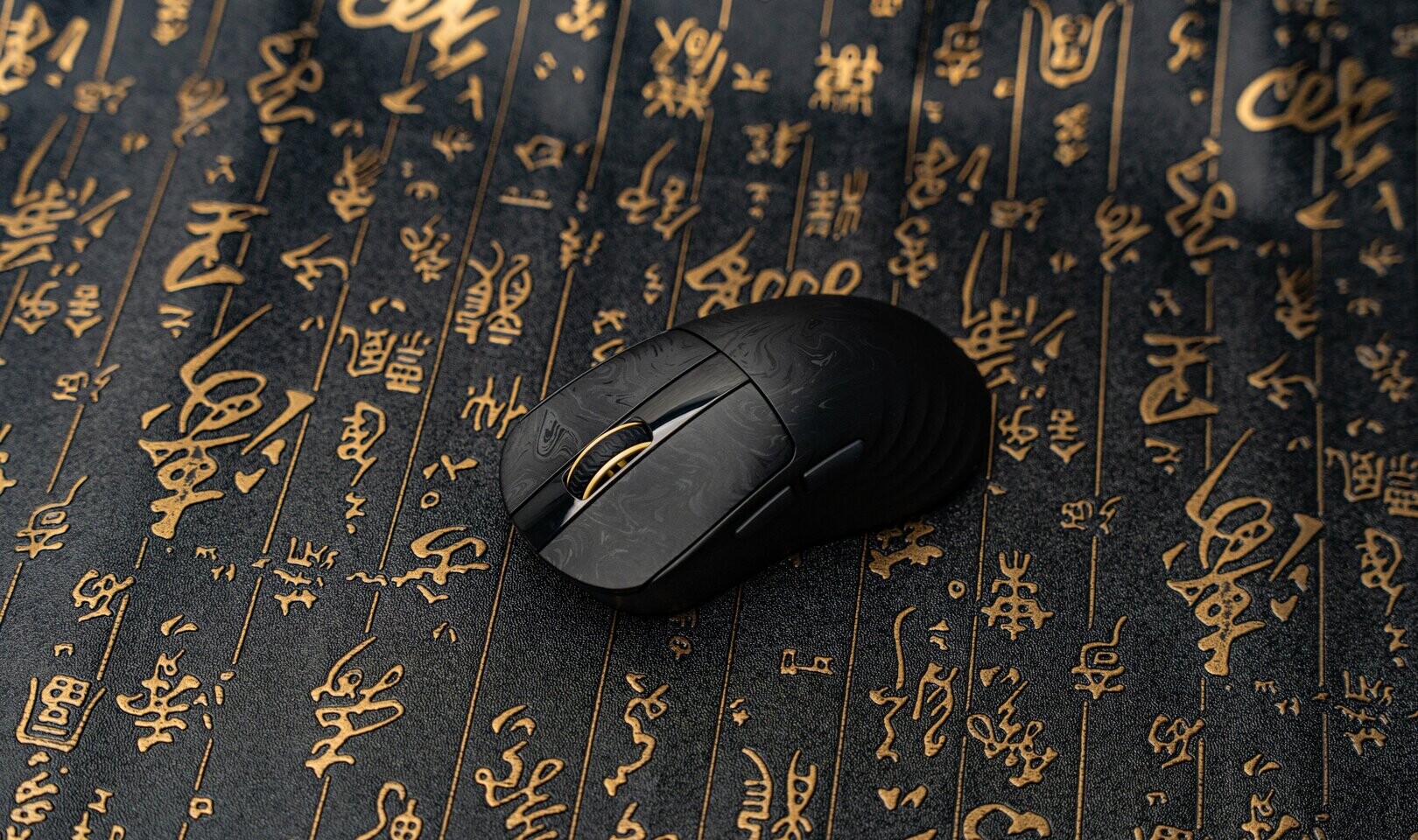
Epomaker’s Carbonis is a bold attempt to merge premium materials with high-end gaming features at what could be a competitive price. Unlike its previous CarbonX, which used a lattice design, the Carbonis opts for a solid carbon fiber shell paired with a right-handed ergonomic shape—reminiscent of Razer’s DeathAdder V4 Pro. What sets it apart, however, is the inclusion of a PixArt PAW 3950 sensor, an 8 kHz polling rate, and a built-in LCD for real-time DPI, battery, and polling rate monitoring.
Early reservations are open now for just $1, with a $15 discount applied at launch—though the final price remains unannounced. If it lands around $70, it could challenge higher-end mice like the Logitech Pro X2 Superstrike.
Key specs at a glance
- Sensor: PixArt PAW 3950
- Polling rate: 8 kHz (rare for mainstream gaming mice)
- Display: Small LCD (DPI, battery, polling rate)
- Driver: Online-based (not Windows-only)
- Shape: Right-handed ergonomic (carbon fiber shell)
- Colorways: Purple gradient, black (raw carbon fiber visible)
- Scroll wheel: Gold
- MCU: Nordic N54L
- Estimated weight: ~60 g or less (carbon fiber)
- Reservations: $1 (non-refundable) + $15 discount
- Expected price: ~$70 (if following early hints)
The PAW 3950 is a step up from the PAW 3380, offering improved tracking accuracy and lower latency—critical for competitive shooters. The 8 kHz polling rate, while not unheard of, is still a premium feature, typically found in mice priced well above $100. The LCD display, inspired by the Chilkey Glacier L W, adds a layer of convenience, though its usability in fast-paced games remains to be tested.
The ergonomic design and carbon fiber build suggest a focus on comfort and durability, but the lack of switch or encoder details leaves performance in those areas speculative. If Epomaker delivers on weight and build quality, the Carbonis could appeal to gamers who prioritize precision over bulk—though its $70 price tag will need to justify its place against established contenders.
Availability details are still scant, but the January launch window aligns with CES 2026, where Epomaker may reveal additional features.