Dell’s latest strategic pivot at CES 2026 signals a broader reckoning in the tech industry: consumers may not be as eager for AI-powered PCs as manufacturers hoped. The company, once a vocal advocate for AI-driven hardware, is now refocusing its efforts on segments it believes matter more—gaming and core consumer computing.
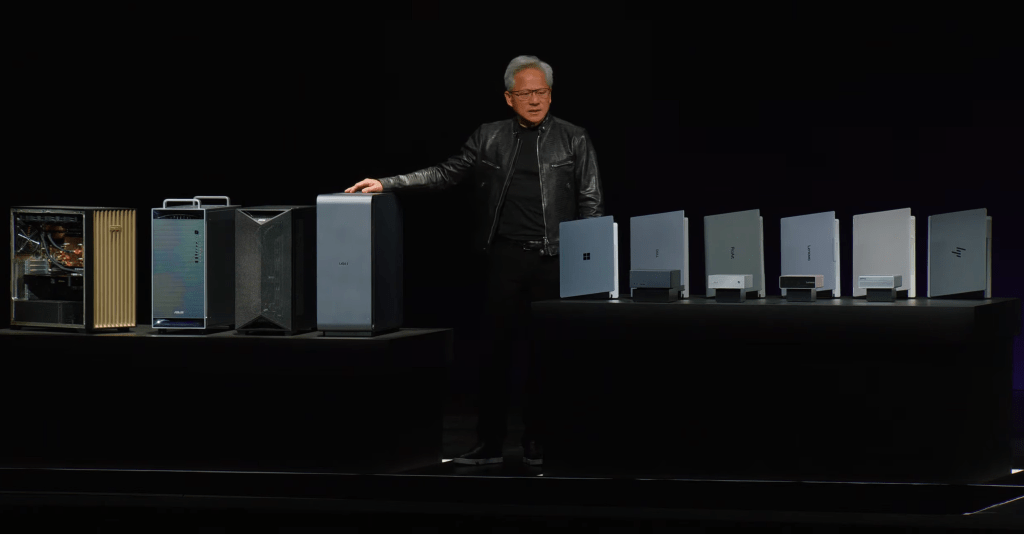
This shift comes amid growing evidence that the AI PC hype cycle has stalled. While AI-capable Copilot+ PCs dominated CES 2026 show floors with promises of advanced neural processing units (NPUs) and AI integration, Dell’s leadership suggests these features have yet to resonate with the average user. Instead, the company is bringing back its iconic XPS line, a move that underscores its commitment to delivering products that align with consumer demand.

Dell will continue to produce Copilot+ PCs under its partnership agreement with Microsoft, but the emphasis on AI capabilities in marketing will fade. This pragmatic approach reflects a broader industry trend, where manufacturers are reassessing their strategies in light of market realities. However, this shift isn’t without challenges: reports indicate that RAM shortages could drive PC prices up by as much as 20%, adding another layer of complexity to an already volatile landscape.
The implications for Dell and its competitors are significant. If AI PCs fail to gain traction, the industry may need to rethink its priorities—balancing innovation with consumer needs. For now, Dell’s focus on gaming and mainstream computing positions it to capitalize on segments where demand remains strong, even as it navigates the fallout from the AI hype.
This isn’t just a story about one company’s strategy; it’s a microcosm of how tech giants are adapting to changing consumer behaviors. As CES 2026 fades into memory, Dell’s pivot serves as a reminder that even the most hyped technologies must prove their worth in the real world.