Competitive gamers on Linux are gaining a significant advantage without needing to switch GPUs.
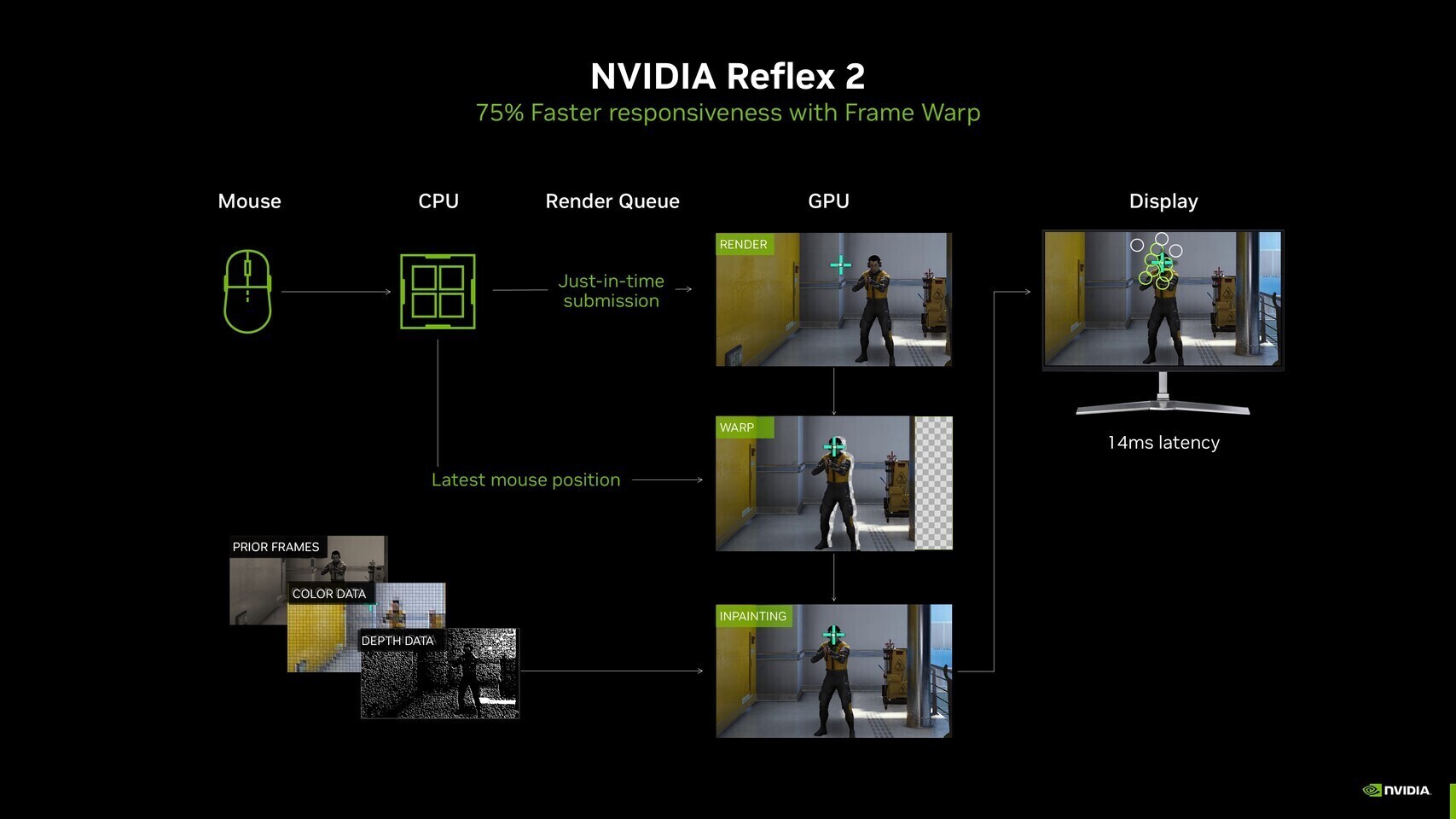
A new open-source Vulkan layer, developed by Korthos Software, allows any GPU—including AMD’s RX 7900 XTX—to run NVIDIA Reflex 2 and AMD Anti-Lag 2 under Linux. This eliminates the need for platform-specific driver support, offering a universal solution for low-latency gaming that was previously limited to Windows.
The layer, called low_latency_layer, effectively bypasses hardware restrictions by implementing the latency optimization technologies in a way that works across NVIDIA, AMD, and Intel GPUs. Testing with an AMD Ryzen 7 9800X3D and 64 GB of RAM showed performance comparable to native Windows setups, with noticeable improvements in titles like Counter-Strike 2, where latency was reduced by a few milliseconds—a critical factor for eSports.
Who Benefits—and When?
The immediate beneficiaries are competitive Linux gamers who rely on Proton or native Linux ports. For non-native games, enabling NVAPI support requires additional configuration, but the documentation is clear enough to guide users through it. The practical impact is most felt in fast-paced titles, where input delay can mean the difference between victory and defeat.
For data/AI workloads, this development could influence upgrade timing. While the layer is designed for gaming, its hardware-agnostic approach suggests broader potential for low-latency applications in AI training or real-time processing environments. However, users running non-gaming workloads may find limited practical benefit unless their software explicitly supports these technologies.
Key Specs and Considerations
- Hardware Support: Works on NVIDIA, AMD (including RX 7900 XTX), and Intel GPUs under Linux.
- System Requirements: Tested with Ryzen 7 9800X3D and 64 GB RAM; no official minimum specs for AI workloads.
- Software Compatibility: Requires Vulkan support in games or applications; Proton users must enable NVAPI via environment variables.
The layer’s success hinges on its flexibility. Unlike proprietary solutions, it doesn’t depend on driver updates, making it a stable option for users who want low latency without waiting for official support. Yet, its complexity means it’s best suited for those comfortable with manual configuration.
For now, the focus remains on gaming, but the underlying technology could pave the way for more efficient data processing in the future. The question isn’t just whether this will change competitive gaming—it’s how quickly other workloads can adopt similar optimizations.