Chromebooks have long been synonymous with affordability, but a recent model is pushing that boundary by introducing a full 360-degree hinge and touchscreen capabilities while maintaining a price under $150. This shift marks a departure from traditional Chromebook designs, which typically favored clamshell configurations for durability over flexibility.
Previously, budget Chromebooks focused on ruggedness and portability, often at the expense of screen quality or stylus precision. The new model retains those priorities but adds touchscreen support—albeit with basic pressure sensitivity—alongside a sturdy hinge mechanism that, while functional, lacks the premium smoothness found in higher-end devices. The tradeoffs are evident: cost efficiency takes precedence over advanced features like OLED displays or high refresh rates.
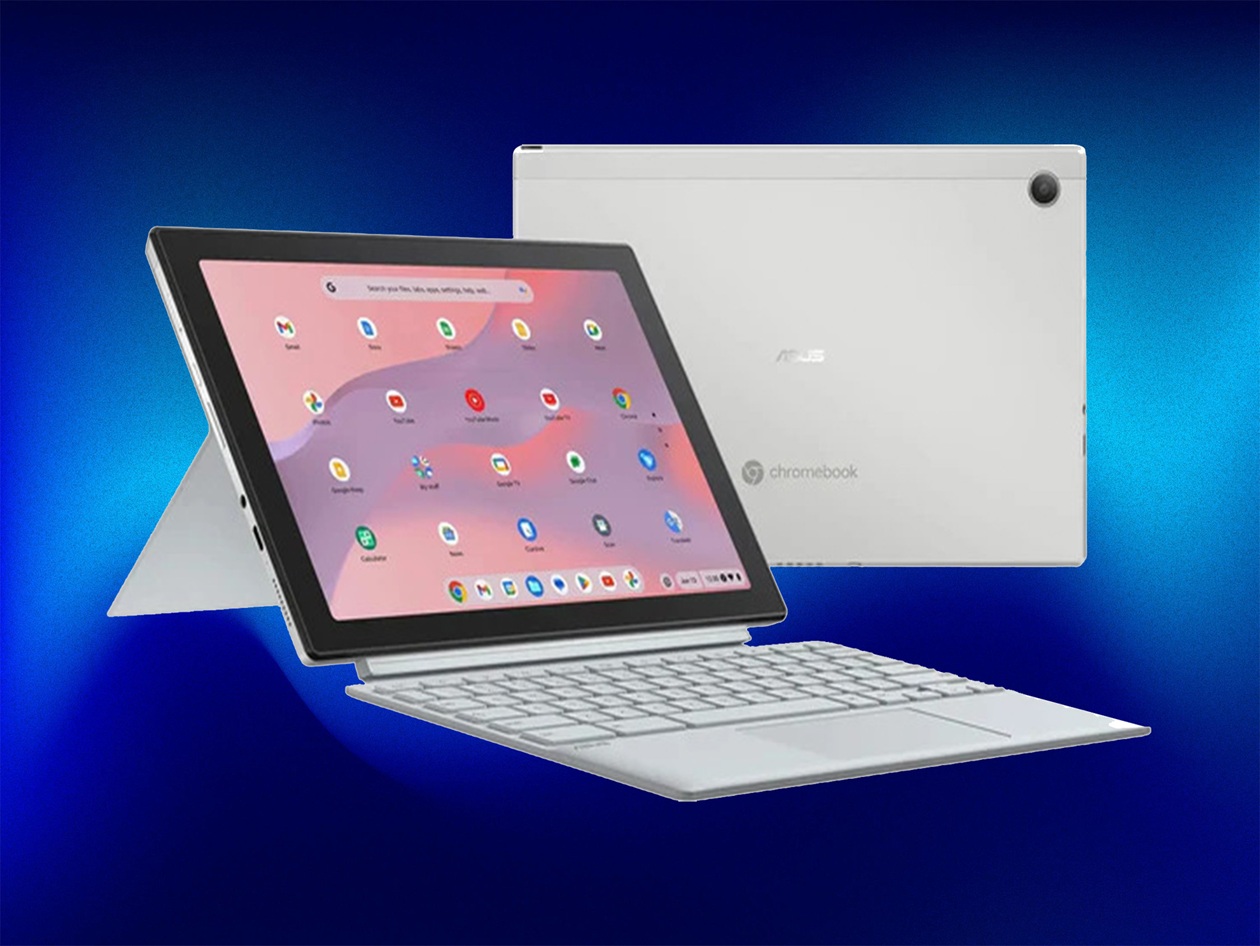
- 11.6-inch diagonal touchscreen (1920 x 1080 resolution)
- MediaTek Helio P65T processor (4 cores, up to 2.3 GHz)
- 8 GB LPDDR4X RAM and 128 GB eMMC storage
- Wi-Fi 6 and Bluetooth 5.0 connectivity
The hardware specifications align with budget Chromebooks, ensuring reliable performance for web tasks and light multitasking. However, the lack of advanced stylus features or high-end processing power positions this device more as a tool for note-taking or casual sketching rather than professional content creation.
Industry analysts suggest this model could gain traction in education and small-business sectors, where cost is a critical factor. While it may not compete with premium 2-in-1 devices, its affordability and flexibility could reshape market expectations for budget-friendly computing. The challenge now lies in whether manufacturers can further refine these tradeoffs without sacrificing core functionality.
The device’s release underscores a broader trend: as hardware costs decrease, the line between budget and premium features is becoming more blurred, even at entry-level price points.