The Absence of Innovation: Five Key No-Shows at CES 2026
As the curtain fell on CES 2026, a palpable sense of anticipation transformed into a quiet disappointment. While the show showcased considerable advancements across various sectors – from immersive displays to sophisticated AI applications – several highly anticipated product launches remained conspicuously absent from the exhibit floors. This analysis delves into five notable absences, exploring potential contributing factors and assessing their impact on the broader tech landscape.
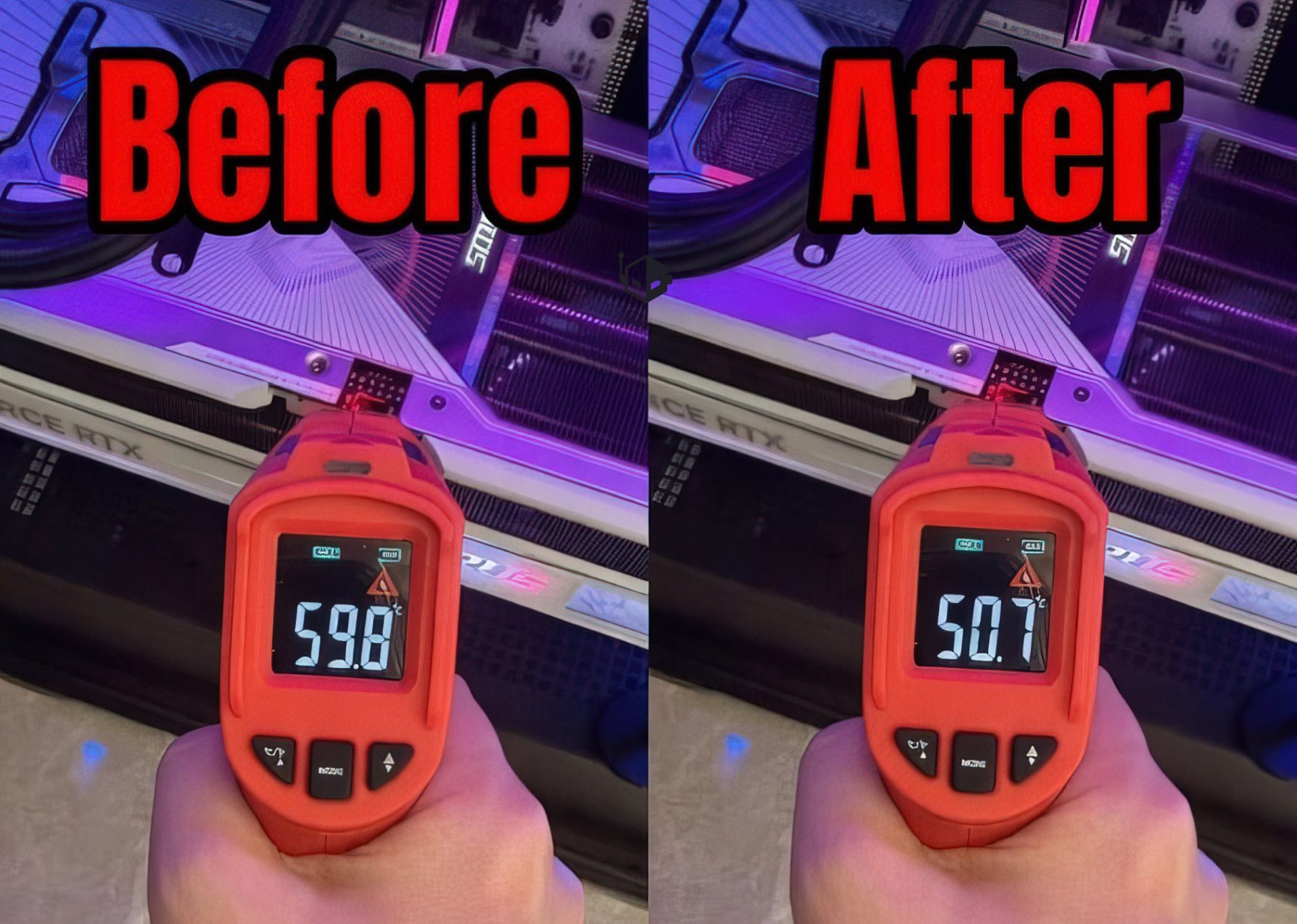
1. NVIDIA’s GeForce RTX 50-Series ‘Blackwell’ SUPER Refresh
Rumors surrounding a mid-cycle refresh of NVIDIA's GeForce RTX 50 series, internally dubbed ‘Blackwell,’ had been circulating for months leading up to CES. The anticipated launch was slated for late Q1 to early Q2 2026, representing an attempt to bolster performance and address emerging demands within the high-end gaming market. Initial reports suggested a significant upgrade focused on denser GDDR7 memory modules.
Speculation centered around increased memory capacity across key models – the RTX 5070, RTX 5070 Ti, and RTX 5080. The ‘SUPER’ designation typically indicates a performance boost, with estimates suggesting a substantial upgrade for the RTX 5070 SUPER potentially reaching 18 GB of GDDR7 memory, while the RTX 5070 Ti SUPER and RTX 5080 SUPER could have offered 24 GB configurations. This would have directly addressed concerns about memory bandwidth limitations in demanding games and applications.
Despite considerable buzz and pre-show anticipation, the Blackwell ‘SUPER’ refresh ultimately did not appear at CES. The reasons behind this absence remain unclear, with potential factors including unforeseen manufacturing challenges or a strategic shift in NVIDIA's product roadmap.
2. Advanced Foldable Display Technology – Project ‘Phoenix’
Several companies had been quietly developing next-generation foldable display technology, and ‘Project Phoenix,’ championed by a leading materials science firm, was generating significant excitement. The project focused on creating flexible OLED panels with enhanced durability and significantly improved crease reduction – key hurdles currently facing widespread adoption of foldable devices.
Initial demonstrations showcased displays capable of surviving considerably more bending stress than existing models, along with a dramatically reduced visible crease. This technology promised to unlock new possibilities for form factors, from truly flexible laptops to durable tablet designs. However, ‘Project Phoenix’ remained conspicuously absent from the show floor.

3. Solid-State Drive (SSD) Mass Production Announcements
Solid-state drives have been steadily gaining market share, offering superior performance and durability compared to traditional hard disk drives. Several manufacturers were poised to announce significant advancements in SSD production capacity and cost reduction during CES 2026. These announcements would have signaled a major step towards wider adoption of SSDs across consumer electronics and enterprise applications.
The expected news included details regarding new manufacturing techniques designed to lower production costs and increase drive capacities, potentially exceeding several terabytes per unit. The absence of these announcements suggests either delays in scaling up production or a strategic decision by manufacturers to prioritize other product categories.
4. Next-Generation Wireless VR/AR Headsets – ‘Horizon’ Initiative
The virtual and augmented reality markets have been characterized by rapid innovation, with numerous companies vying for dominance. The ‘Horizon’ initiative, spearheaded by a major electronics firm, promised to introduce a new generation of wireless VR/AR headsets boasting dramatically improved resolution, refresh rates, and tracking accuracy. Preliminary reports indicated integration with advanced eye-tracking technology and haptic feedback systems.
The lack of this headset at CES 2026 was notable, particularly given the ongoing competition in the VR/AR space. It raises questions about the company’s timeline for product launch or a potential reassessment of its market strategy.
5. AI-Powered Home Automation Hub – ‘Nexus’
The integration of artificial intelligence into home automation systems was expected to reach a new level at CES 2026 with the unveiling of ‘Nexus,’ an AI-powered hub designed to seamlessly manage and automate various aspects of the smart home. ‘Nexus’ featured advanced natural language processing, predictive learning capabilities, and compatibility with a wide range of devices and services.
The absence of this innovative hub suggests either technical challenges in refining its AI algorithms or a shift in focus towards more established automation platforms.