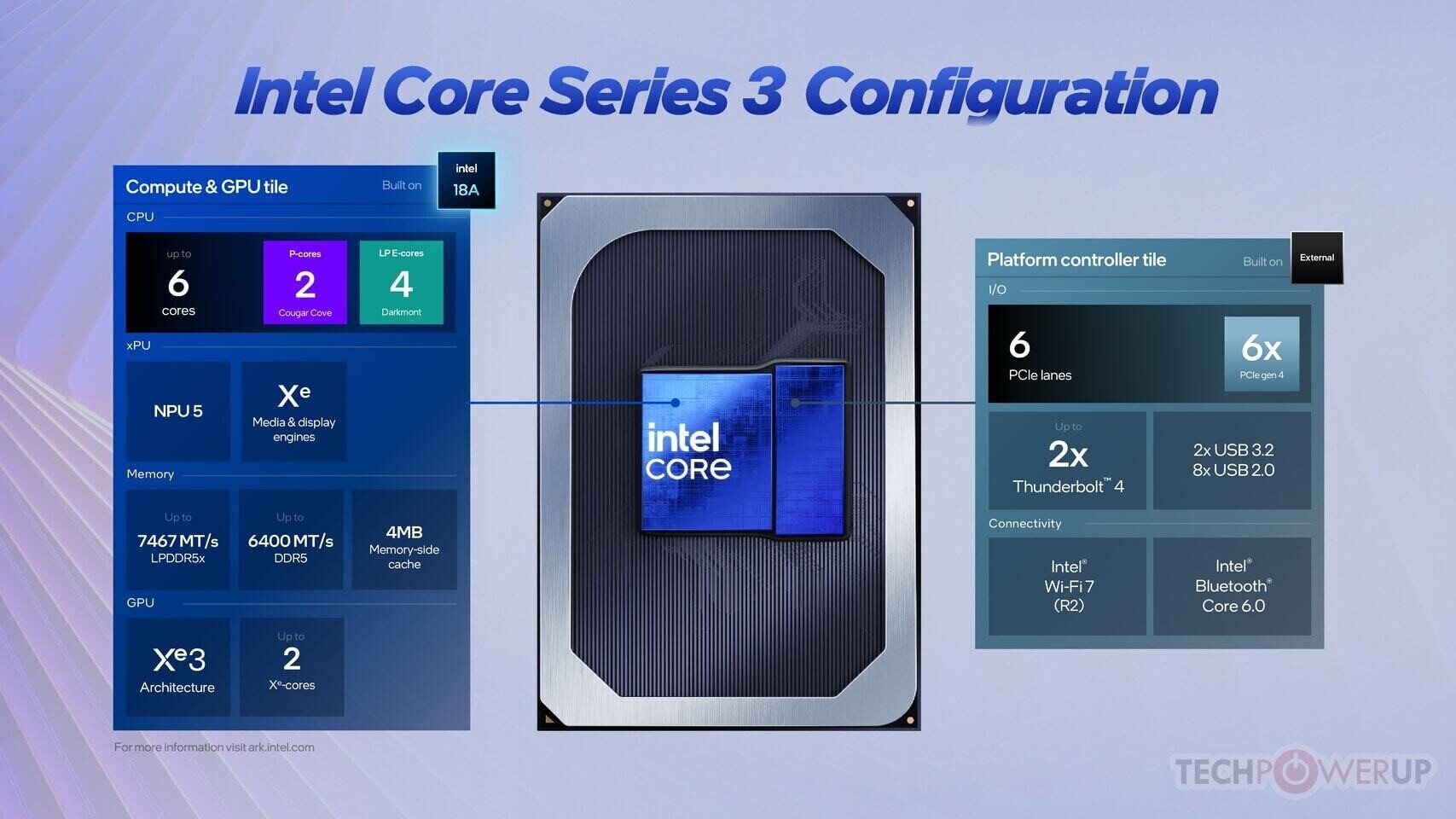
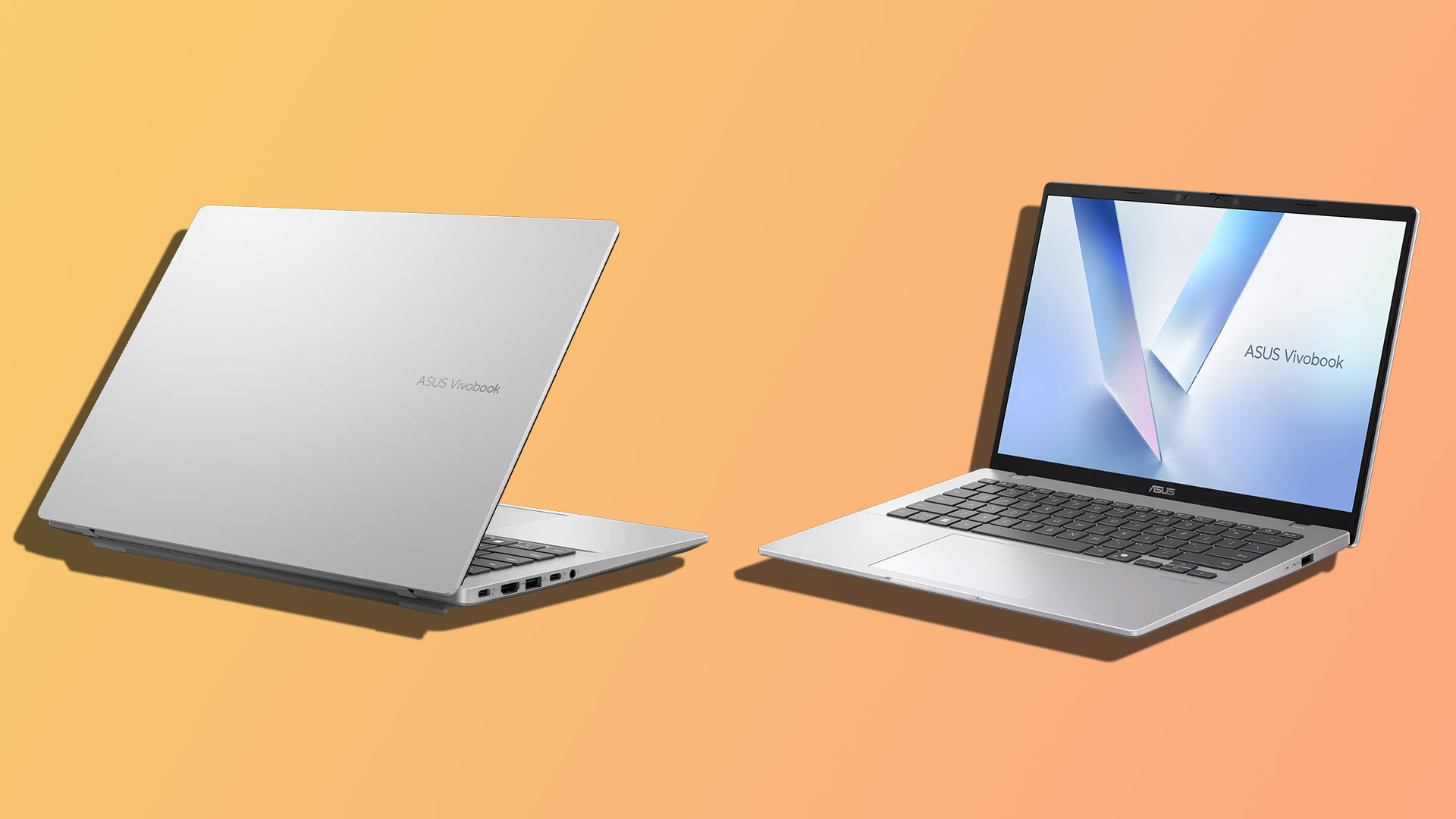
The ASUS Vivobook 14 has quietly become a benchmark in entry-level laptop design, but its latest iteration takes a sharper turn toward operational cost efficiency—without compromising on the hardware that matters most to PC builders. A newly spotted configuration drops the price to $452.60 while packing Qualcomm’s Snapdragon X Elite system-on-chip, 16 GB of LPDDR5X RAM, and a 512 GB NVMe SSD—a combination that challenges conventional expectations for sub-$500 machines.
This isn’t just a price cut; it’s a rethinking of how entry-level laptops can deliver near-premium performance while keeping operational costs in check. The Vivobook 14 now sits at the intersection of affordability and efficiency, a position that could reshape how PC builders approach mid-range hardware selections.
Performance meets practicality
The Snapdragon X Elite chip, paired with 16 GB of RAM and a 512 GB SSD, delivers performance metrics that align closely with higher-tier Windows-on-Arm devices. Benchmarks suggest real-world productivity gains in multitasking and light content creation, while the thermal design ensures sustained performance without throttling—critical for users who demand more from entry-level hardware.
But the story isn’t just about raw specs. ASUS has optimized the Vivobook 14’s power consumption, extending battery life to approximately 10 hours on mixed workloads—a figure that matters as much as price in operational cost calculations. The laptop also includes a 14-inch IPS display with 1920x1080 resolution, backlit keyboard, and dual speakers tuned for clarity, features typically reserved for pricier models.
Cost efficiency in an uncertain market
The $452.60 price tag is a deliberate move, undercutting competitors that rely on Intel or AMD processors while maintaining a feature set that includes Windows 11 Pro, a micro-EDGE bezel design, and a lightweight aluminum chassis. However, whether this pricing can sustain long-term without sacrificing build quality remains an open question—early reviews hint at minor compromises in durability compared to higher-tier ASUS models.
For PC builders, the Vivobook 14’s new configuration offers a compelling alternative: a machine that delivers near-flagship performance metrics at a fraction of the cost. But the trade-off lies in the ecosystem—Windows-on-Arm software compatibility is still evolving, and long-term driver support may not be as robust as x86 counterparts.
The Vivobook 14’s availability is confirmed for immediate purchase, with no expected changes to the pricing structure in the near term. Whether this becomes a standard for entry-level laptops or remains an outlier will depend on how quickly competitors adapt their cost efficiency strategies.