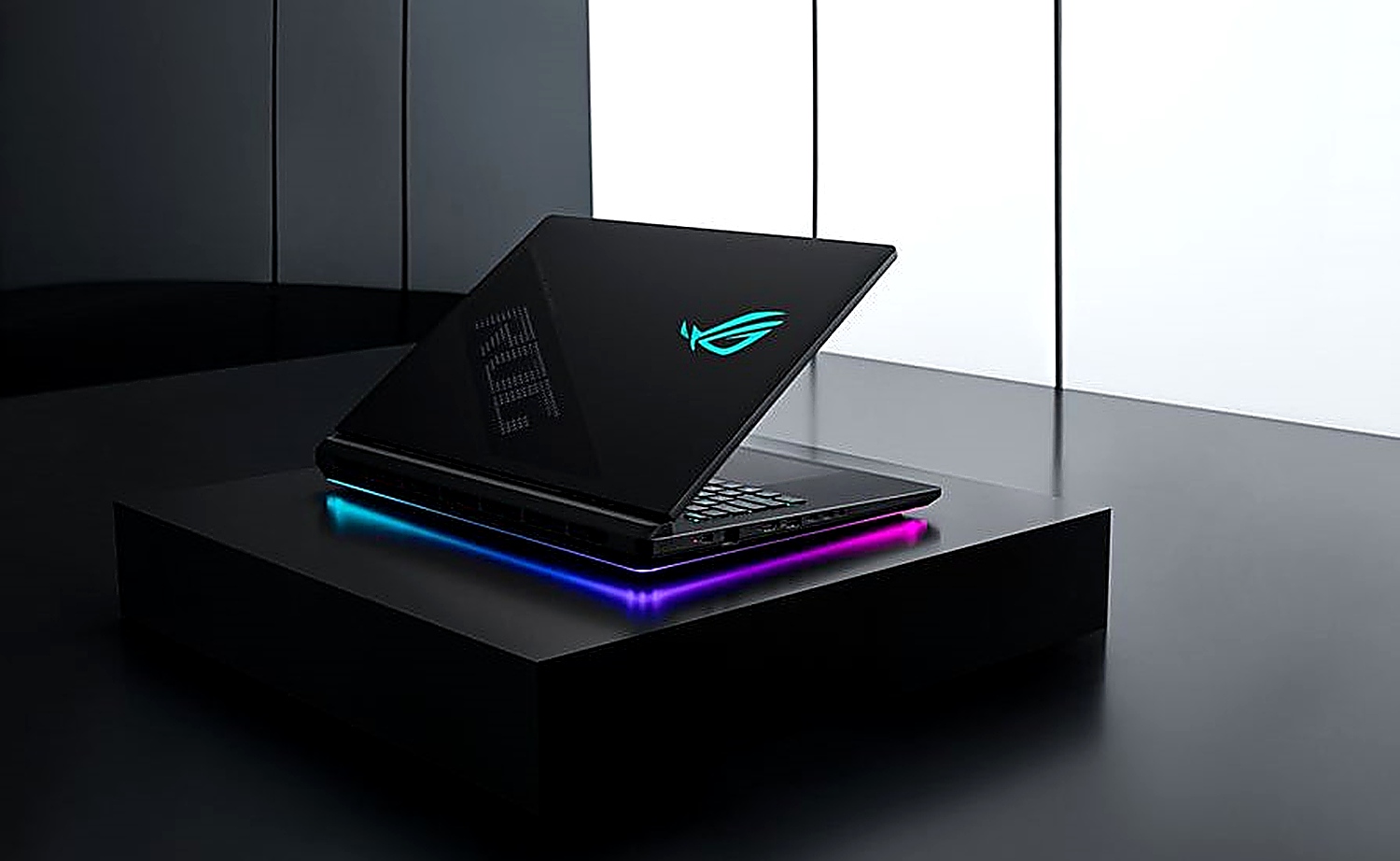
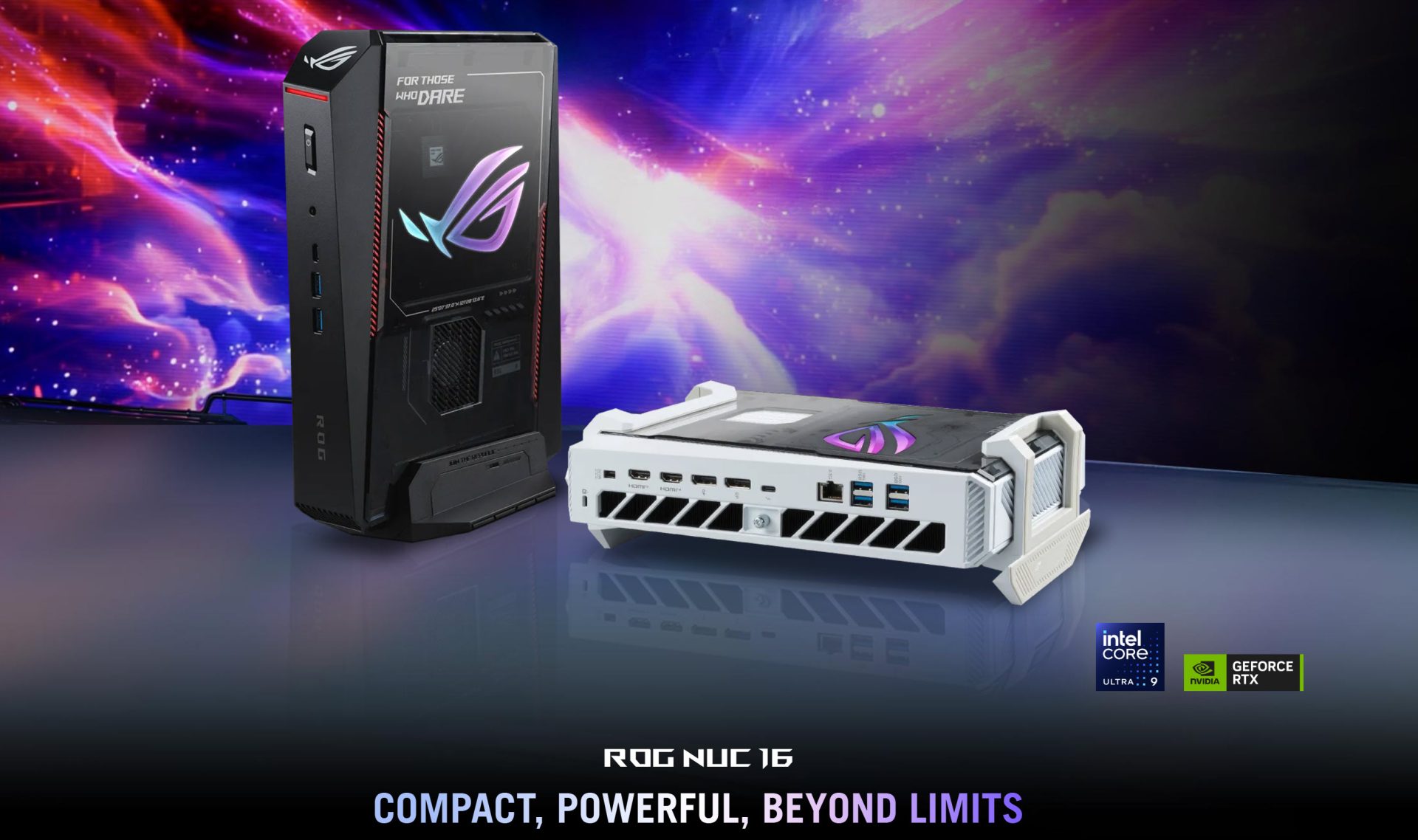
The ASUS ROG NUC 16 has arrived as a high-performance mini PC, but its true impact hinges on more than raw specs—it’s a test of whether small businesses can afford the ecosystem tie-ins that come with cutting-edge hardware.
This iteration marks a significant leap forward for the ROG NUC series. It pairs Intel’s 290HX processor, clocked at up to 3.7 GHz, with NVIDIA’s RTX 5080 graphics card, delivering desktop-level performance in a tiny footprint. The combination suggests a shift toward mini PCs that can handle professional workloads—from content creation to AI inference—but the ecosystem around it remains a critical unknown.
Key Specifications
- Processor: Intel Core i9-290HX (up to 3.7 GHz, 18 cores/24 threads)
- Graphics: NVIDIA RTX 5080 (16 GB GDDR6, TDP up to 260W)
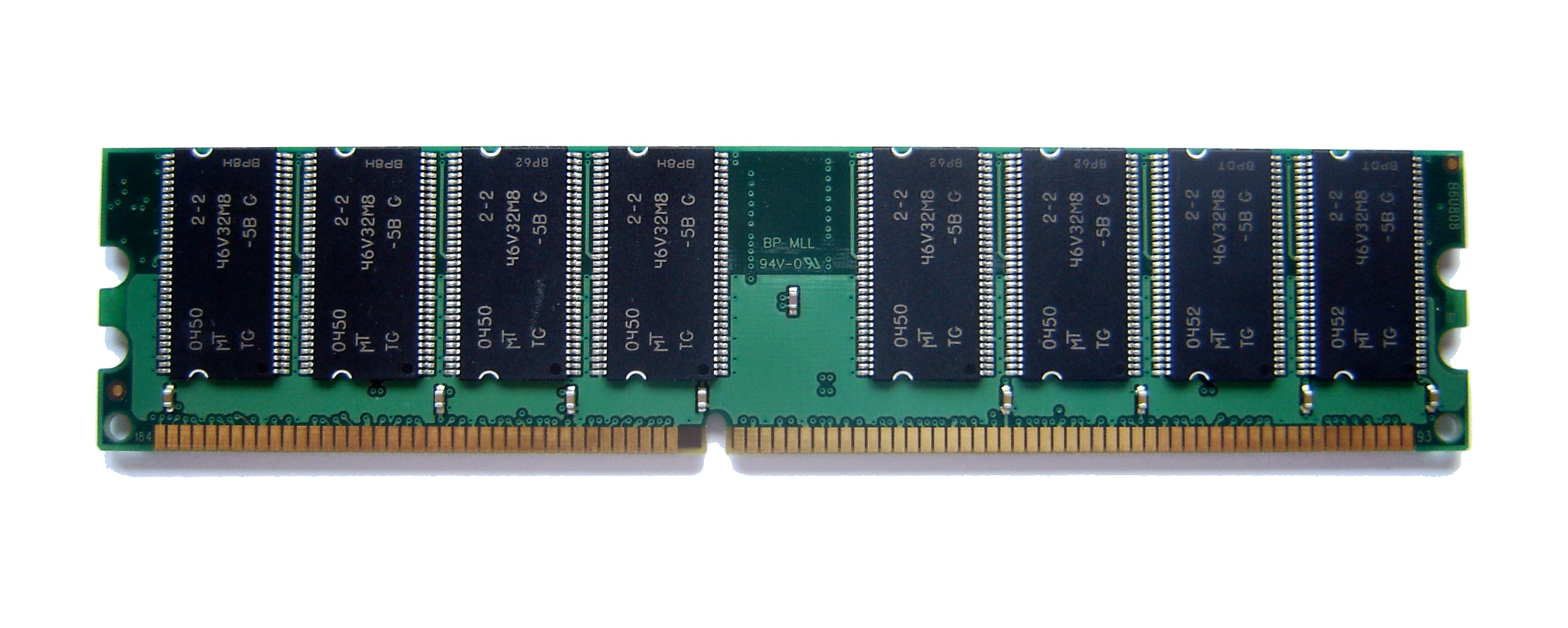
- Memory: Up to 128 GB DDR5-6800
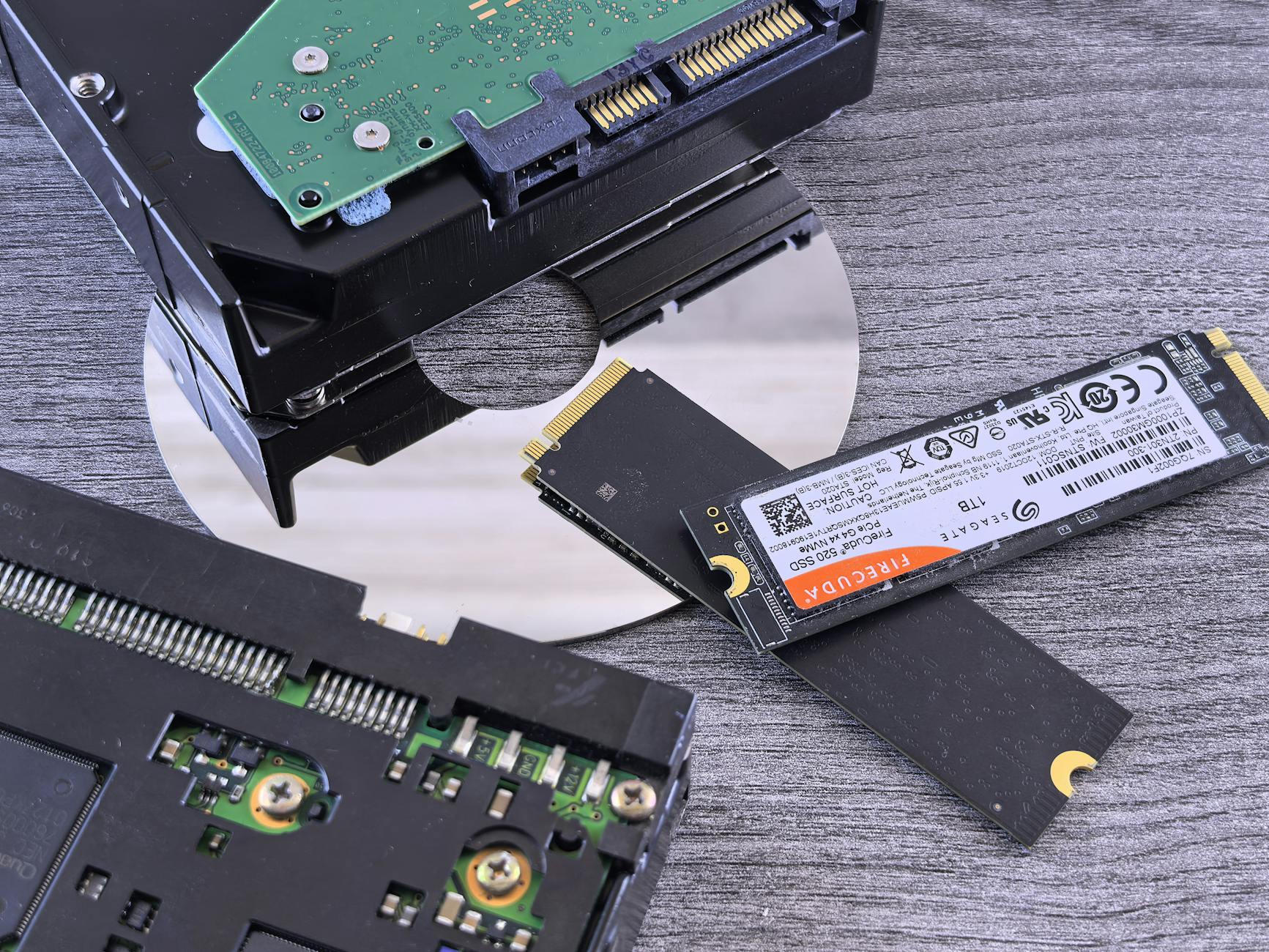
- Storage: Up to 4 TB PCIe Gen 4 SSD
- Display: Supports up to two 4K@120Hz displays or one 8K display via HDMI and DisplayPort
- Connectivity: Thunderbolt 4, USB-C (Power Delivery), Wi-Fi 6E, Bluetooth 5.3
The RTX 5080 is a notable inclusion, but its power draw—up to 260W—poses practical challenges for a mini PC. The 128 GB DDR5-6800 memory and 4 TB PCIe Gen 4 storage are more typical of high-end workstations than compact devices. For small businesses, this means higher costs but also the potential to run resource-heavy applications without compromise.
Who Benefits—and Who Should Skip?
The ROG NUC 16 is aimed at professionals who need desktop performance in a space-saving package. However, its reliance on Intel’s platform and NVIDIA’s ecosystem introduces lock-in risks. Small businesses that already invest in ASUS or Intel hardware may find it a seamless upgrade, but those tied to alternative ecosystems could face compatibility hurdles.
Day-to-day, users will notice the difference in performance—smooth 4K rendering, AI workloads, and multi-monitor setups—but whether the ecosystem plays nicely with existing business infrastructure remains unconfirmed. For now, it’s a high-stakes bet on mini PCs becoming viable for professional-grade tasks.