The RTX 50 series has introduced a new challenge for system builders: the need for dual 12VHPWR connectors to meet the power demands of these high-performance GPUs. ASUS's ROG Equalizer cable, now available at $50, provides a solution by combining two 8-pin PCIe cables into one, but this convenience comes with tradeoffs that demand attention from both engineers and users.
At its core, the ROG Equalizer cable is designed to simplify power delivery for GPUs that require more than a single 12VHPWR connector can provide. The RTX 50 series, for instance, pushes the limits of traditional PCIe power specifications, necessitating a dual-connector setup to ensure stable operation and prevent thermal throttling. ASUS's cable consolidates this into a single cable, reducing clutter in tight builds while maintaining performance. However, this consolidation is not without its challenges.
Balancing Efficiency and Heat
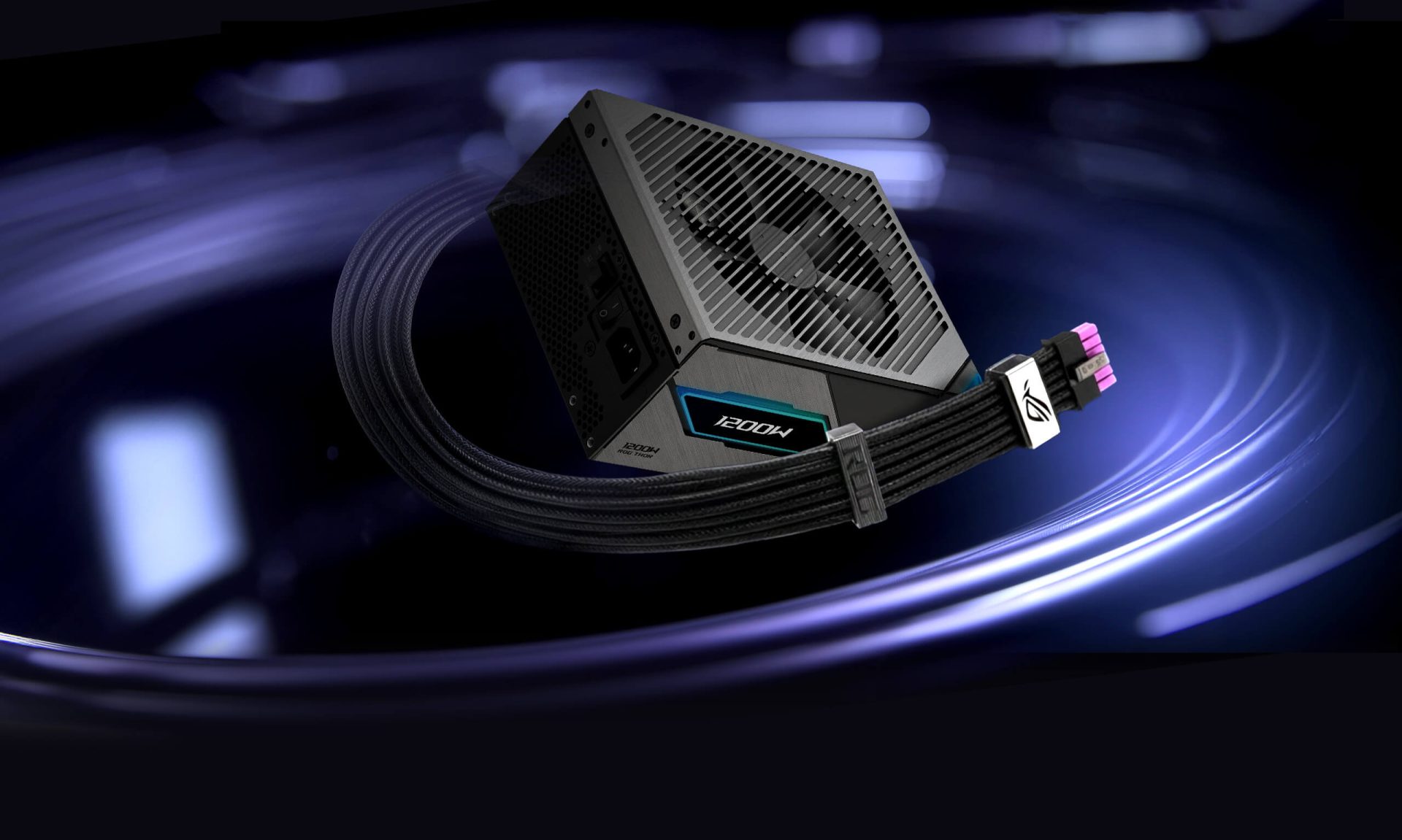
The primary tradeoff lies in the cable's ability to handle power delivery efficiently while managing heat dissipation. The RTX 50 series GPUs are known for their high power consumption, often drawing significant wattage even under load. The ROG Equalizer cable must distribute this power evenly across both connectors to avoid overheating or voltage instability. Users will notice that the cable's design includes a braided structure and reinforced connectors, which help in managing heat but also add slight bulk compared to standard cables.
For creators working with workloads that push GPUs to their limits—such as 3D rendering, AI training, or high-end gaming—the stability of power delivery becomes critical. A poorly managed power setup can lead to frame drops, rendering errors, or even hardware damage over time. The ROG Equalizer cable addresses this by ensuring that both connectors are actively used during heavy loads, but users must pair it with a compatible power supply unit (PSU) capable of delivering the required wattage without overheating itself.
Key Specifications
- Power Capacity: Supports dual 12VHPWR connectors, effectively doubling the power delivery capacity for GPUs requiring high wattage.
- Connector Type: Two 8-pin PCIe connectors combined into a single cable with reinforced braiding for durability and heat management.
- Length: Approximately 30 cm, designed to fit standard build configurations without excessive slack or strain.
- Compatibility: Works with RTX 50 series GPUs and other high-power GPUs requiring dual connectors. Not compatible with older PCIe specifications.
- Price: $50, making it a cost-effective solution compared to custom cable solutions or PSU upgrades.
The $50 price point is reasonable for what the ROG Equalizer cable offers, especially when compared to the potential costs of hardware damage or performance degradation due to inadequate power delivery. However, users should be aware that this is not a one-size-fits-all solution. The cable's effectiveness depends on the overall system design, including the PSU's wattage and cooling capabilities. For example, a user building a high-end workstation for AI development might find that the ROG Equalizer cable works seamlessly with a 1200W PSU, but the same setup could struggle in a smaller form factor where airflow is limited.
Looking ahead, the ROG Equalizer cable serves as a practical stopgap until more GPUs and PSUs are designed to natively support dual connectors without the need for external solutions. Its availability at $50 provides a viable option for those who cannot or do not want to upgrade their entire power infrastructure immediately. For now, it remains a key tool in the arsenal of system builders and creators navigating the complexities of the RTX 50 series' power demands.