Apple’s push to manufacture more of its hardware in the U.S. is accelerating, with its Houston server production line now operating at a pace of 10 units per hour—a tangible step toward reducing reliance on overseas supply chains. The move comes as the company prepares to relocate Mac mini production to the same Texas facility, marking another shift away from China amid rising geopolitical tensions.
This isn’t just about tariffs or political promises. Apple’s $600 billion pledge to the U.S. over four years—announced last year—is now translating into concrete infrastructure. The Houston plant, a partnership with Foxconn, is the centerpiece of a broader strategy to build a domestic silicon ecosystem, from chip production to display glass sourcing. Meanwhile, a 20,000-square-foot Advanced Manufacturing Center nearby will train American workers, suppliers, and businesses in advanced production techniques.
The Houston Hub: Servers, Mac minis, and a Training Ground
The Houston facility’s current output—10 servers per hour—may sound modest, but it reflects Apple’s cautious, deliberate approach to scaling. The Mac mini, with annual sales hovering around 1 million units, serves as a proving ground for the company’s onshoring capabilities. If successful, the model could expand to other products.
- Server production: 10 units per hour at Houston plant (Foxconn partnership).
- Mac mini shift: Manufacturing moving from China to Texas.
- Training center: 20,000 sq. ft. Advanced Manufacturing Center for workforce development.
- Silicon investments: $600 billion over four years for domestic chip supply chain, displays, and data centers.
- Key partners: GlobalWafers America, Texas Instruments, Samsung, Amkor, Corning.
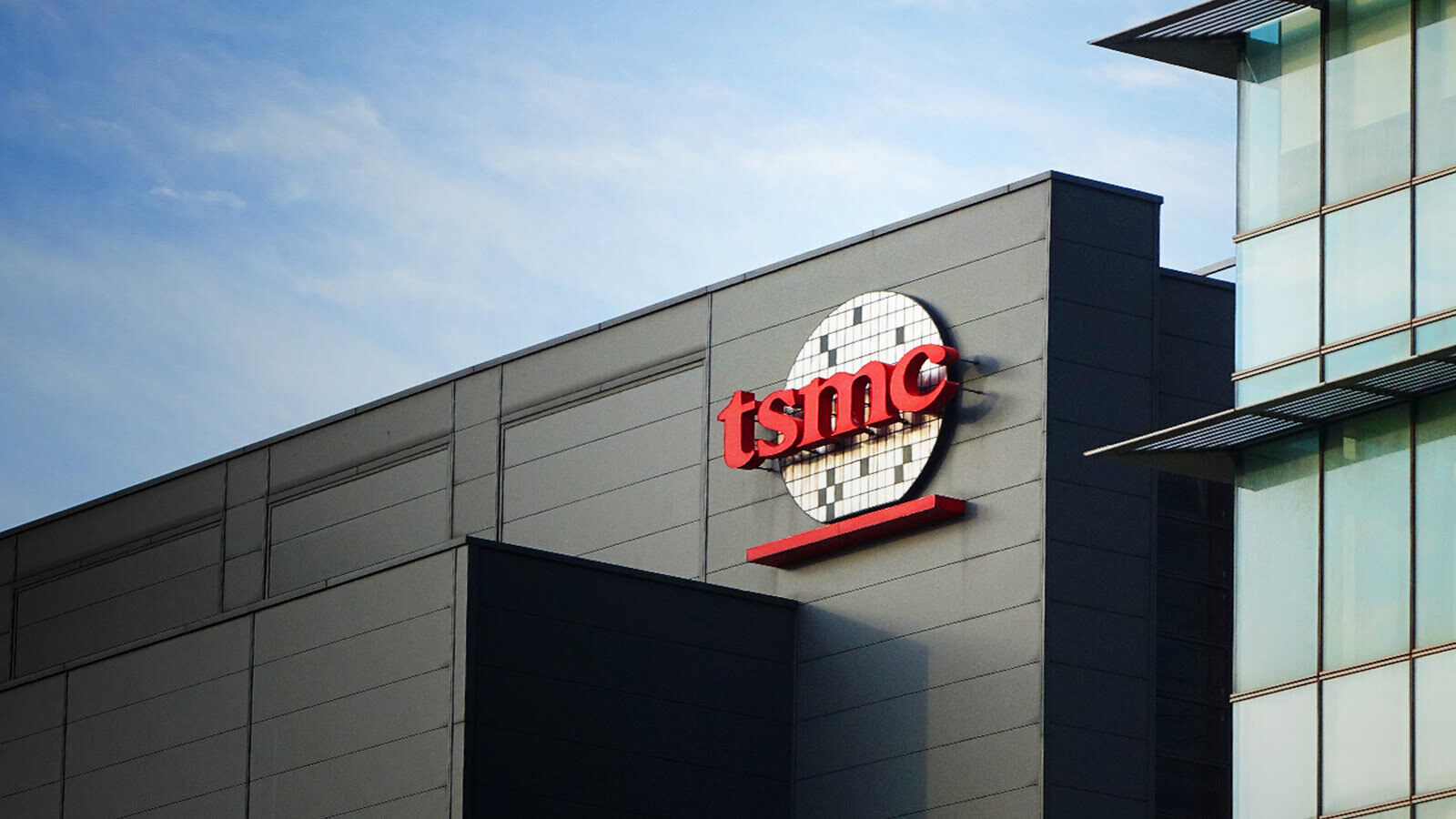
For Apple, this isn’t just efficiency—it’s risk mitigation. The company’s supply chain is deeply intertwined with Taiwan, home to TSMC, the world’s largest chipmaker. With U.S. intelligence agencies warning of a possible Chinese invasion as early as 2027, Apple’s onshoring efforts may not be enough to fully insulate it from disruption. TSMC’s Arizona facilities, though expanding, remain a fraction of Taiwan’s capacity: one fab is operational now, another opens next year, and a third isn’t expected until 2030.
Why This Matters: More Than Just Tariffs
Apple’s moves reflect a dual strategy: compliance with U.S. trade policies and contingency planning for geopolitical instability. The Houston plant’s role in server production aligns with Apple’s broader push into AI infrastructure, while the Mac mini transition tests its ability to manage lower-volume, high-margin products domestically.
The real question is scale. Even if Apple succeeds in Houston, its long-term resilience depends on whether TSMC’s U.S. expansion can bridge the gap if Taiwan becomes inaccessible. For now, the company is hedging—one server, one Mac mini, and one training program at a time.