Apple’s calendar has a single highlight for March 4: a product event designed to shift focus away from the iPhone’s usual spotlight and toward its Mac and chip divisions. While the company has already introduced a second-generation AirTag this year, the upcoming event suggests a more substantial lineup—one that could redefine what Apple’s hardware is capable of, particularly for professionals and budget-conscious users.
The centerpiece of the speculation surrounds two new chips: the M5 Pro and M5 Max. These are expected to build on the foundation of the M4 series with refined transistor density and improved heat dissipation, making them more efficient while maintaining power. Industry estimates suggest these chips could arrive in updated MacBook Pro models, offering incremental yet meaningful performance gains for demanding workloads like video editing, 3D rendering, and machine learning tasks.
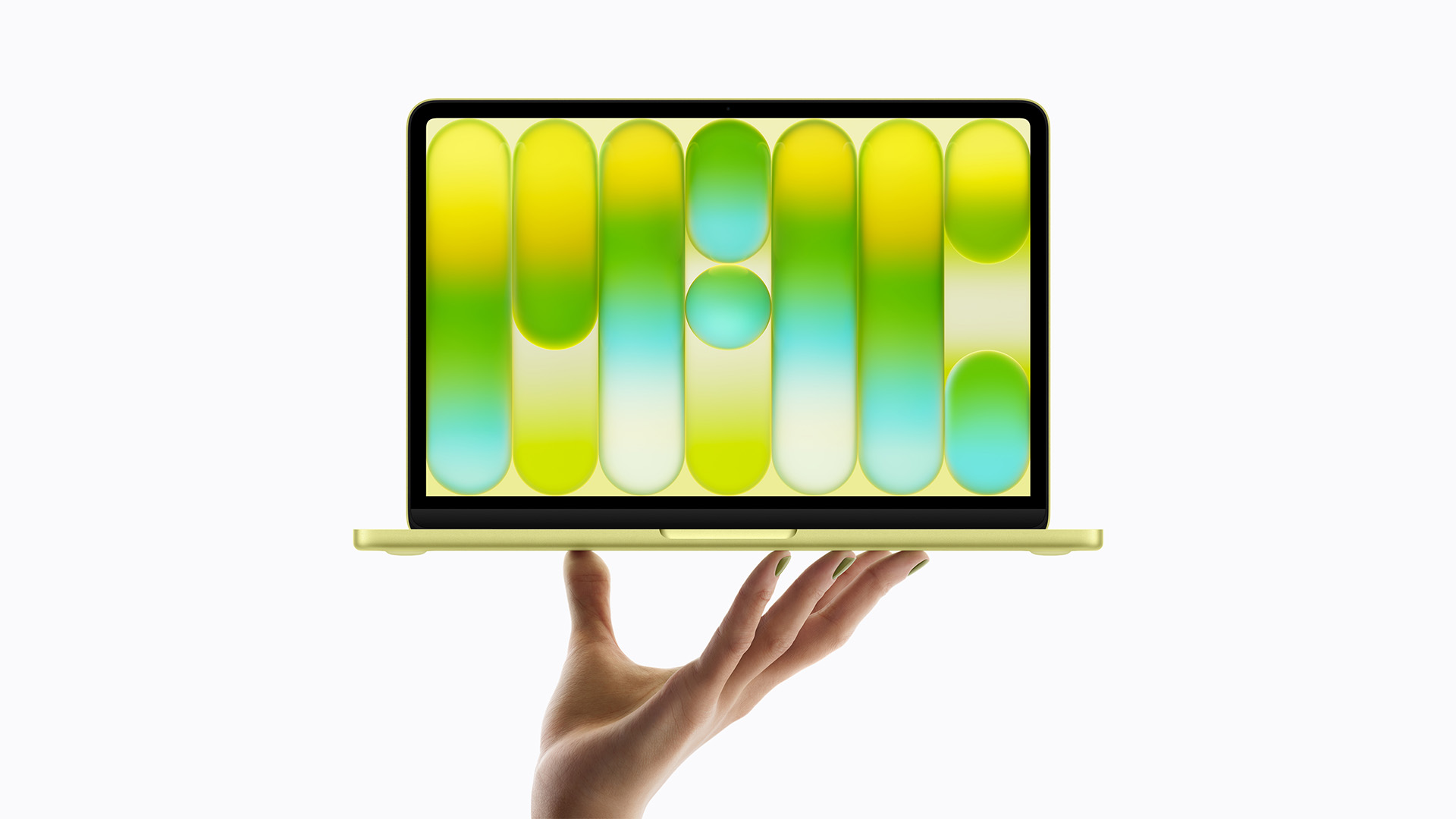
But the most anticipated announcement may be a low-cost MacBook. Apple has long been criticized for its premium pricing, and rumors indicate this new model could break from tradition. Made from a novel aluminum process, it’s said to feature brighter colors and better thermal management—qualities that could finally make a MacBook accessible to students, educators, and casual users without compromising Apple’s signature build quality.
Here’s what we know so far about the potential lineup

- M5 Pro: Expected to feature slightly higher transistor density than the M4 Pro, with enhanced heat dissipation for sustained performance in high-demand applications.
- M5 Max: Likely a more powerful variant of the M5 Pro, designed for professionals requiring maximum processing power, such as video editors and data scientists.
- Low-Cost MacBook: Rumored to use a refined aluminum manufacturing process, offering brighter display options and improved thermal efficiency compared to previous budget-friendly models.
- Pricing: The low-cost MacBook is expected to start at a significantly reduced price point, though exact figures have not been confirmed.
The event could also hint at broader ecosystem updates, including software optimizations for the new chips and potential refinements in Apple’s hardware lineup. While the iPhone 17e may have already claimed the early spotlight in February, March’s event could set the tone for the rest of the year—particularly if Apple successfully bridges the gap between performance and affordability in its Mac products.
For now, the focus remains on March 4, where Apple is likely to reveal how far it has come in balancing innovation with accessibility.