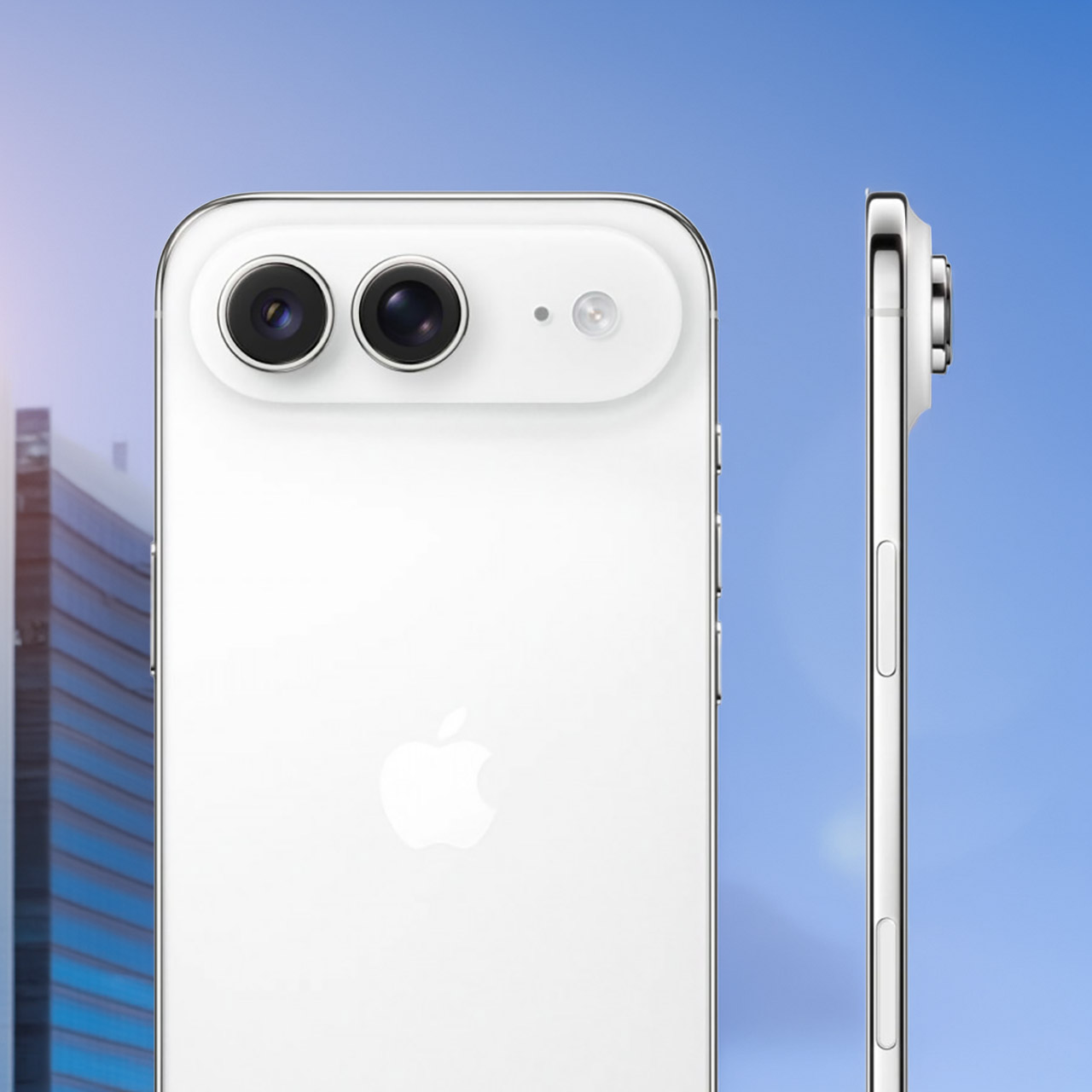
Apple is reportedly preparing to launch the iPhone Air 2, a mid-range device aimed at small businesses and budget-conscious consumers. This move comes as the company grapples with balancing cost efficiency without compromising its signature user experience.
The iPhone Air 2 is expected to feature a A16 Bionic chip, which is currently powering the iPhone 15 Pro Max. While this choice ensures strong performance, it also raises questions about whether Apple can justify the price point while maintaining its premium brand image.
A Step Up in Affordability
The iPhone Air 2 is rumored to start at around $699, making it a more accessible option compared to other iPhones. However, this pricing strategy introduces a new set of challenges for Apple. The device will likely lack some of the high-end features found in its Pro counterparts, such as ProMotion displays and advanced camera systems.
Display: 6.1-inch Super Retina XDR OLED with 2556 x 1179 resolutionChip: A16 Bionic (4 nm) with 6-core CPU and 5-core GPUMemory: 8GB LPDDR5X RAM, 128GB/256GB UFS 3.1 storageStorage: 128GB base model, expandable via iCloudPower: 3074 mAh battery with fast charging supportCameras: Dual 12MP (wide and ultra-wide) with Night mode and Deep FusionConnectivity: 5G, Wi-Fi 6E, Bluetooth 5.3, GPSPorts: Lightning port (reversible)The iPhone Air 2's specifications suggest a device that is well-suited for small businesses and professionals who need reliable performance without the premium price tag. The A16 Bionic chip ensures smooth multitasking and efficient power consumption, which is crucial for productivity apps.
Tradeoffs and Limitations
That's the upside—here's the catch. While the iPhone Air 2 offers strong performance, it may not keep up with the latest advancements in mobile technology. The lack of ProMotion display and advanced camera features could disappoint users who are accustomed to the higher-end iPhones.
The device's pricing also raises questions about its long-term value. With Apple's rapid innovation cycle, the iPhone Air 2 may quickly become outdated compared to future models. Small businesses, in particular, need to weigh the cost savings against the potential for faster upgrades and newer features.
For now, the iPhone Air 2 represents a calculated risk for Apple. It aims to capture a larger market share while maintaining its brand integrity. Whether this strategy will pay off remains to be seen, but it's clear that Apple is willing to take bold steps to stay competitive in an increasingly crowded mid-range market.