Apple has quietly rolled out a major software refresh across its entire device lineup, with iOS 26.3 leading the charge. The update isn’t just about tweaks—it introduces features that could reshape how users interact with privacy, device switching, and even third-party accessories.
The most immediate change for iPhone users is a new Limit Precise Location setting, which restricts carrier data to neighborhood-level accuracy instead of street-level precision. This isn’t a universal feature, however—it’s currently limited to devices with Apple’s custom C1 or C1X modems and available only through select carriers in Germany, the UK, the US, and Thailand.
But the biggest conversation starter is likely the long-awaited Android-to-iPhone migration tool. While Google’s Pixel devices have offered a one-way switch to Apple for months, iOS 26.3 finally brings the reverse capability to iPhones. Users can now transfer photos, videos, contacts, messages (including iMessages with attachments), calendar events, and even app layouts to a Pixel phone—though some data like in-app purchases and DRM-protected content won’t carry over. The process uses a QR code or session ID for pairing, streamlining what was once a manual headache.
Apple is also loosening its grip on wearables. For the first time, iPhone users can forward notifications to third-party smartwatches—a move that could pressure competitors like Garmin and Fitbit. The catch? Only one wearable can receive notifications at a time, and users must manually select which apps can forward alerts.
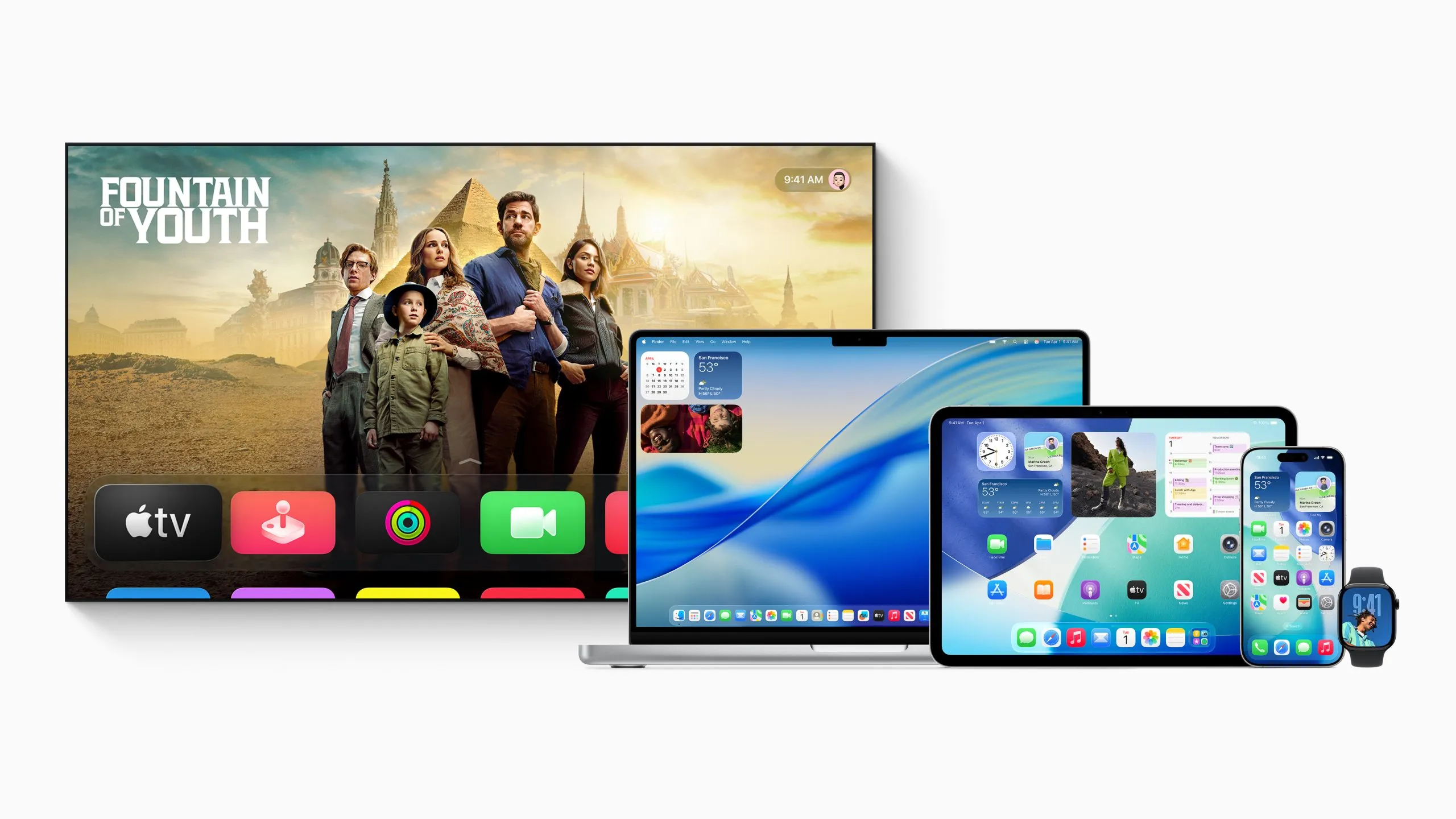
Beyond iOS, Apple’s update wave includes
- iPadOS 26.3: No major highlights yet, but expected optimizations for M-series chips.
- watchOS 26.3: Likely includes minor health and performance refinements.
- macOS Tahoe 26.3: Focuses on stability and under-the-hood improvements for Apple Silicon.
- tvOS 26.3: Potential tweaks for Apple TV 4K and HomePod Software 26.3 updates.
Why does this matter? For years, Apple’s ecosystem lock-in has been a cornerstone of its success. Now, with easier cross-platform switching and third-party wearable support, the company is testing how far it can bend without breaking its own model—especially as regulators like the EU scrutinize its practices.
The update is rolling out now via Software Update in Settings, with no additional cost for eligible devices.