Apple has quietly introduced a feature to its Vision Pro platform that could reshape how users experience streamed content: foveated streaming. Unlike traditional streaming methods that deliver uniform quality across the entire display, this approach dynamically adjusts resolution and bitrate based on where a user is looking—using eye-tracking to prioritize sharpness in the center of vision while reducing demands elsewhere.
The technology isn’t new. Valve’s upcoming Steam Frame and Sony’s PS VR2 both leverage similar principles, but Apple’s implementation stands out for its immediate availability—while competitors remain delayed by hardware shortages.
In the latest visionOS 26.4 beta, Apple’s developer documentation now includes a framework for foveated streaming. The API allows the Vision Pro to connect with both local and cloud-based streaming endpoints, optimizing performance by sending high-quality data only to the areas of the screen where the user is focused. This could be particularly useful for mixed-reality workflows, such as a flight simulator app rendering a detailed cockpit locally while streaming a vast, processor-heavy landscape from a remote machine.
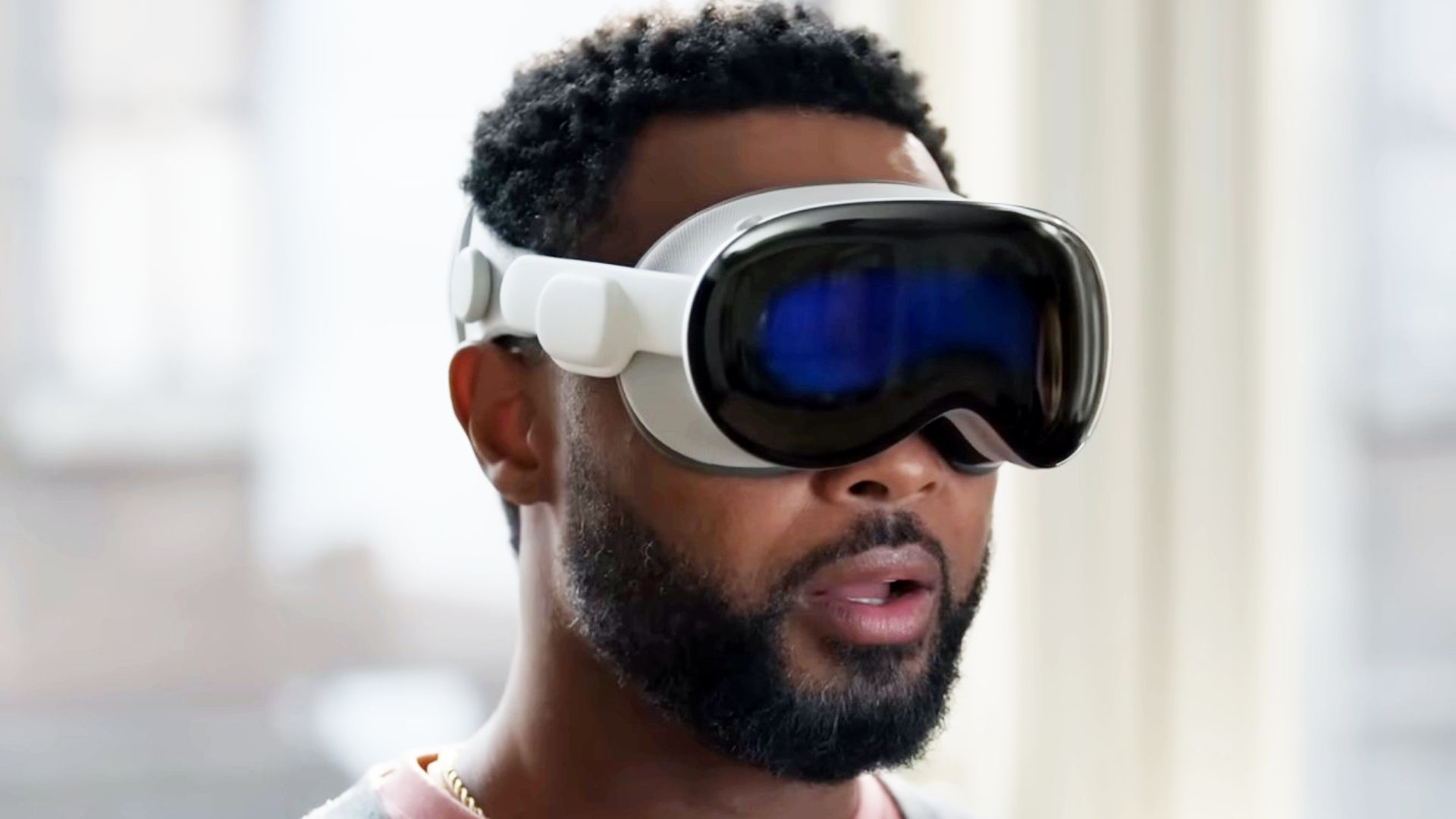
For users, this means smoother streaming experiences—especially in scenarios where bandwidth or local processing power might otherwise create lag. However, the Vision Pro’s high price tag and limited adoption compared to PC VR headsets could leave mainstream gamers and creators in the lurch.
Meanwhile, Valve’s Steam Frame, which was designed with foveated streaming as a core feature, remains stuck in development due to ongoing memory and storage shortages. The company has yet to announce a release date or pricing, leaving PC VR enthusiasts without a clear timeline for similar optimizations.
The gap between Apple’s rapid implementation and Valve’s delays highlights a broader industry trend: while Apple moves quickly to integrate advanced features, hardware constraints continue to hinder competitors. For now, Vision Pro users may enjoy the benefits first—but the technology’s potential extends far beyond Apple’s ecosystem.