Apple’s Strategic Shift: A Focus on Next-Generation Imaging
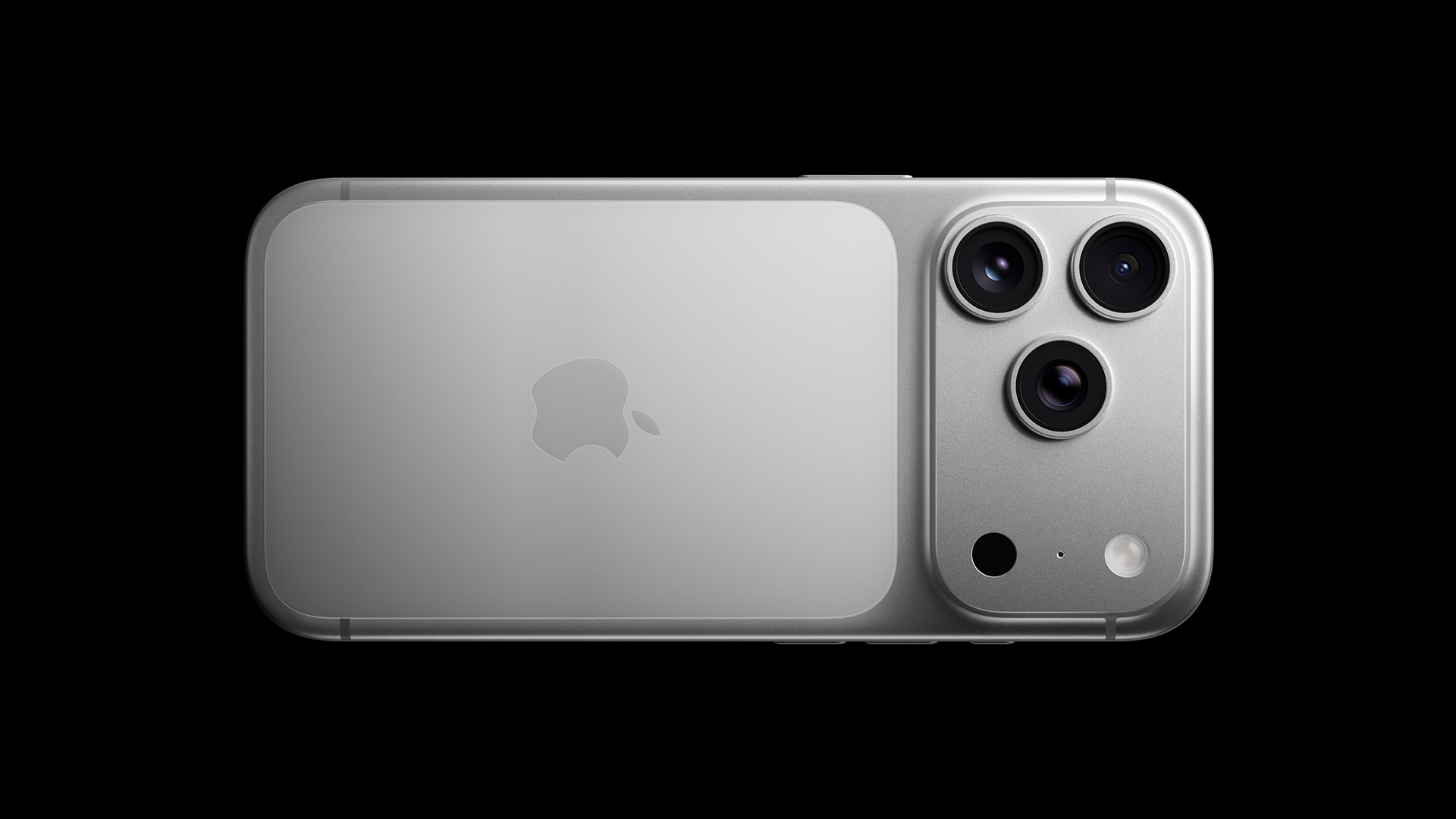
For years, Apple has maintained a leading position in the smartphone market, largely driven by innovation in design and user experience. However, as technological advancements continue at an accelerated pace, the company is reportedly undertaking a comprehensive overhaul of its iPhone strategy, with a particular emphasis on camera technology. Recent supply chain whispers point to active evaluation of multispectral imaging alongside the potential integration of a 200-megapixel camera sensor – a move that could dramatically reshape the landscape of mobile photography.
Multispectral Imaging: Beyond Traditional Photography
Traditional smartphone cameras capture images using visible light, recording only a narrow spectrum of wavelengths. Multispectral imaging, in contrast, analyzes and records data across a much broader range of the electromagnetic spectrum – including infrared and ultraviolet light. This capability unlocks several key advantages
- Enhanced Color Accuracy: By capturing information beyond what the human eye perceives, multispectral imaging can deliver significantly more accurate color reproduction in photographs and videos.
- Improved Detail in Challenging Conditions: Multispectral sensors are less susceptible to issues like overexposure or underexposure, allowing for clearer images in high-contrast lighting situations – such as bright sunlight or deep shadows.
- Material Analysis Capabilities: Beyond photography, multispectral imaging can be utilized for detailed analysis of materials, identifying subtle differences in texture, color, and composition that are invisible to the naked eye. This could have potential applications beyond consumer devices.
The 200MP Camera Sensor: A Leap in Resolution
Alongside multispectral imaging, Apple is reportedly exploring the integration of a camera sensor boasting an astounding 200 megapixels. While megapixel counts have steadily increased in smartphone cameras over the years, a resolution of this magnitude presents both opportunities and challenges. The primary benefit would be dramatically improved image detail – allowing for substantial cropping and enlargement without significant loss of quality.

However, simply increasing pixel size isn’t enough. A 200MP sensor necessitates sophisticated computational photography techniques to manage the vast amount of data generated. Apple's expertise in this area will be crucial to unlocking the full potential of such a high-resolution sensor. Furthermore, efficient image processing algorithms are needed to reduce file sizes and ensure smooth performance on mobile devices.
Timeline and Potential Release Year
Digital Chat Station, a respected source within the Apple rumor community, has referenced information from Morgan Stanley’s analysis which suggests that development of these technologies could begin around 2028. While a precise release date remains uncertain, industry analysts anticipate that this advanced imaging technology may first appear in iPhone models slated for launch in late 2027 or early 2028.
Implications for the Smartphone Industry
Apple’s potential move towards multispectral imaging and a 200MP camera sensor would undoubtedly exert considerable pressure on competitors. Other smartphone manufacturers will likely respond by accelerating their own research and development efforts in advanced imaging technologies, potentially leading to a broader shift across the industry.
Future Applications Beyond Photography
The capabilities unlocked by multispectral imaging extend far beyond traditional photography. Potential applications could include
- Medical Imaging: Analyzing skin conditions or identifying subtle changes in tissue structure.
- Industrial Inspection: Assessing the condition of infrastructure, detecting defects in materials, and monitoring environmental factors.
- Agriculture: Optimizing crop yields by analyzing plant health and soil composition.
It’s important to note that these developments are still speculative at this stage, based on supply chain information and analyst reports. However, the direction of travel appears clear – Apple is committed to pushing the boundaries of smartphone imaging technology, promising a future where mobile devices capture images with unparalleled detail, color accuracy, and versatility.