Anthem's journey from a promising launch to its eventual sunset has been marked by both criticism and resilience. Though it never achieved widespread acclaim, the game cultivated a loyal following that persisted through years of updates and patches. Now, as Electronic Arts prepares to permanently close Anthem's servers, those players are logging in one final time to explore Fort Tarsis before the lights go out.
The game's live-service model, designed around cooperative strongholds and single-player missions, struggled from the outset. Early reviews highlighted a disjointed experience that failed to deliver on its lofty promises. However, the developers persisted, rolling out updates aimed at addressing the most glaring issues. These efforts earned Anthem a small but dedicated fanbase, players who remained committed even as others moved on.
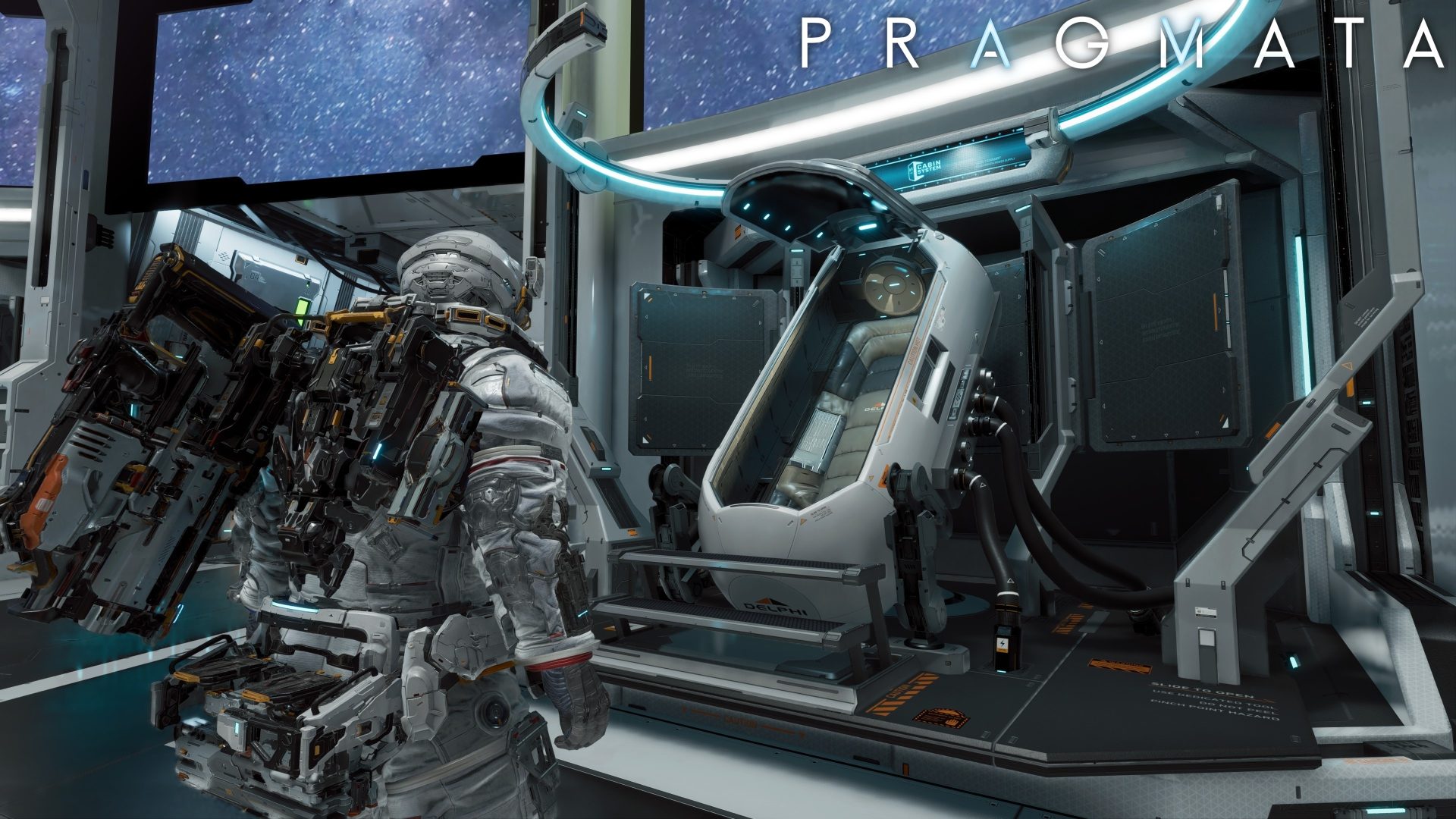
Today, the game's servers are quieter than in its heyday, but not empty. High-level veterans still traverse the Launch Bay, their movements fluid and practiced. Twitch streamers continue to run missions, capturing the final moments of a game that once held so much potential. The subreddit dedicated to Anthem is alive with activity, filled with players sharing their last achievements and screenshots, a visual tribute to the time they spent within its world.

Among the discussions, there's a glimmer of hope for revival. Some players are advocating for community-run private servers, a move that would allow them to continue playing long after EA's official shutdown. This isn't an uncommon scenario; other games like Avengers and Suicide Squad introduced offline modes before ending support, while Redfall followed suit with its own private server initiatives. For Anthem's fans, this could be their best chance at keeping the game alive in some form.
Anthem's story is a poignant reminder of the broader issue facing many games today. The decision to shut down a title, regardless of its popularity, underscores the need for more sustainable models that value the support and investment of players. It's a stark reality check for developers and publishers alike, who must balance business decisions with the expectations of their player base.
The final days of Anthem serve as a microcosm of the challenges facing live-service games. While it may not have been a commercial success, its dedicated community proves that even flawed titles can find a place in players' hearts. As the servers prepare to go dark, the question remains: what does this mean for the future of live-service gaming? It's a moment that calls for reflection on how we value and sustain the games we play.
Quick Take: Anthem's shutdown is more than just the end of a game; it's a symbol of the broader conversation about player support and sustainability in live-service titles. While its time may be up, the lessons it leaves behind could shape the future of gaming for years to come.