AMD is quietly preparing to expand the reach of its RX 9070 GRE GPU beyond China's borders. The move, if confirmed, would mark a significant shift for a product that has so far been limited to the Chinese market. The RX 9070 GRE, built on AMD's Navi 48 XL architecture, combines 3,072 streaming processors with 12 GB of GDDR6 memory, delivering 432 GB/s of bandwidth over a 192-bit bus. While this configuration is impressive on paper, its real-world performance and market potential outside China remain uncertain.
The RX 9070 GRE's journey to global markets is not without challenges. Its initial launch in China was met with mixed reception, partly due to the competitive landscape dominated by NVIDIA's RTX 5090 and AMD's own RX 7000 series. The RX 9070 GRE's boost clock of 2,790 MHz, when paired with factory-overclocked variants like Sapphire's PULSE and PURE editions, suggests a push for higher performance. However, the lack of official global distribution raises questions about its long-term viability.
- Architecture: Navi 48 XL
- Streaming Processors: 3,072
- Memory: 12 GB GDDR6
- Bus Width: 192-bit
- Bandwidth: 432 GB/s
- Boost Clock: 2,790 MHz (factory-overclocked variants expected)
The RX 9070 GRE's potential global expansion comes at a time when AMD is grappling with inventory management and market positioning. Reports suggest that AMD's graphics cards in China are being sold at a loss, indicating a need to clear stock or make room for newer models. This context adds a layer of uncertainty to the RX 9070 GRE's future, as its global introduction may hinge on strategic decisions rather than pure market demand.
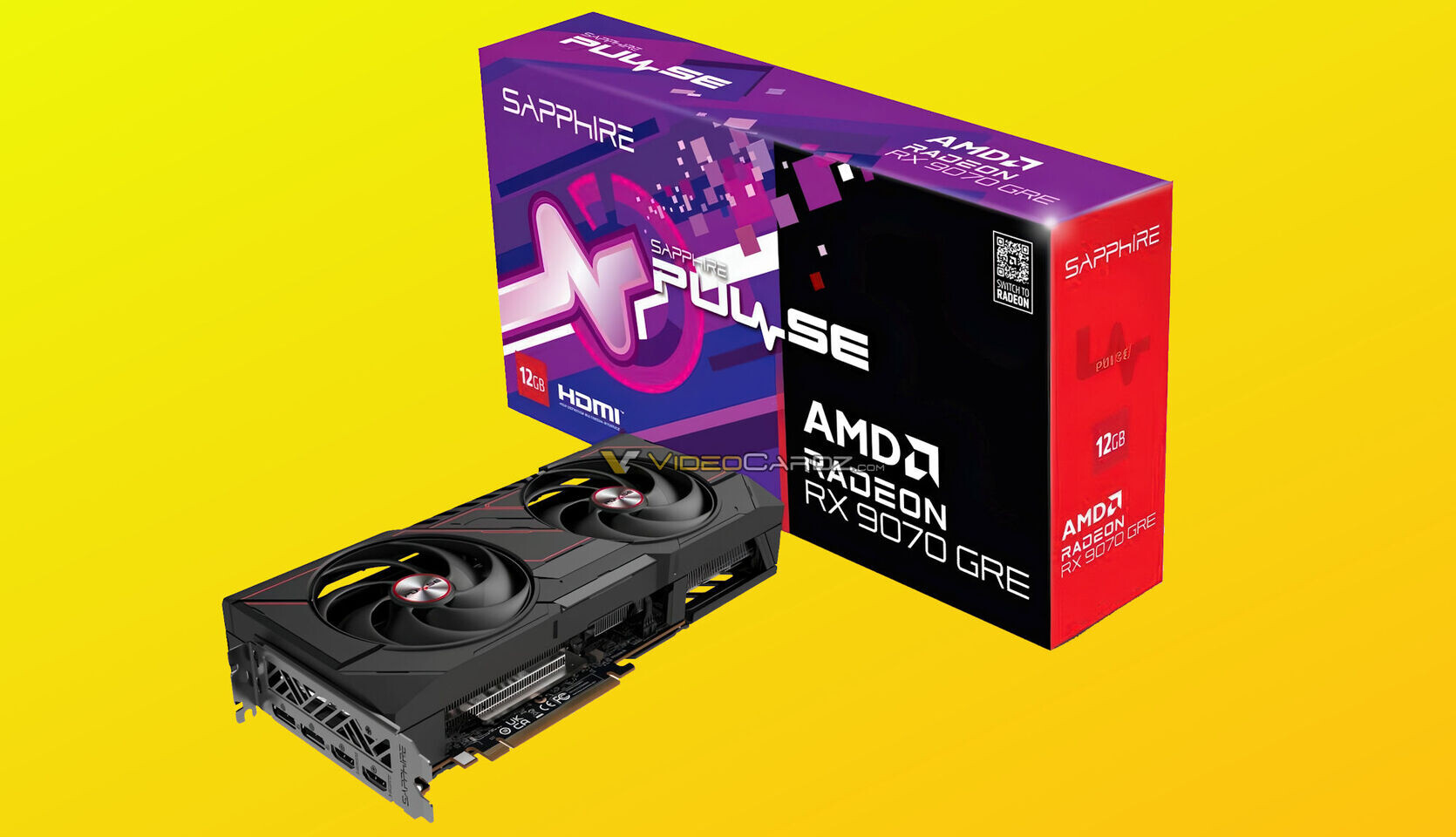
For creators and enthusiasts, the RX 9070 GRE offers a compelling mix of performance and affordability, but its success outside China will depend on how well it competes with established GPUs like the RTX 5090. The RX 5000 series, for instance, continues to hold a strong position in the market, serving as a benchmark for AMD's mid-range offerings. Meanwhile, the upcoming RDNA 5 and UDNA architectures promise significant advancements, leaving little room for error in positioning.
The potential global launch of the RX 9070 GRE is a test case for AMD's ability to adapt its product strategy to changing market dynamics. While the technical specifications are strong, the real challenge lies in navigating the competitive landscape and ensuring that the GPU finds its place without cannibalizing existing models or diluting AMD's brand.
The next steps will be critical. If the RX 9070 GRE gains traction globally, it could solidify AMD's position in the mid-range GPU market. However, if it fails to deliver on performance expectations or struggles with competition, it may become a footnote in AMD's history—a reminder of a product that had potential but lacked the right conditions to thrive.