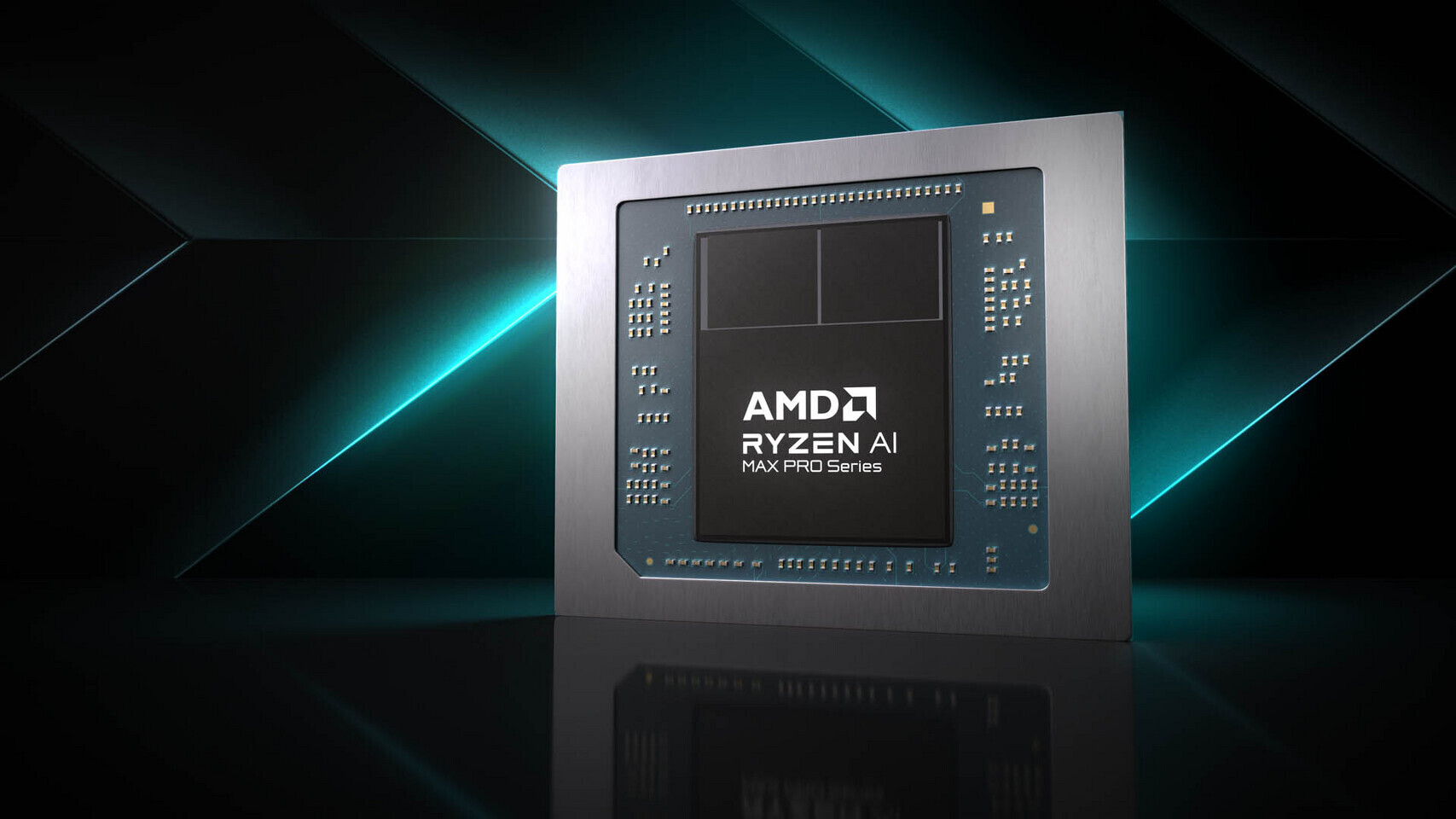
The landscape of integrated processors is evolving rapidly, with AMD's latest Ryzen AI Max+ PRO 495 APU emerging as a notable advancement in compute efficiency. Codenamed 'Gorgon Halo,' this new chip marks a significant step forward from its predecessor, the 'Strix Halo' generation, by incorporating refined Zen 5 CPU cores and an overclocked RDNA 3.5 graphics unit.
- CPU Architecture: Zen 5, 16 cores, 32 threads, boost up to 5.2 GHz
- GPU Architecture: RDNA 3.5, 40 compute units (CUs), clocked at 3.0 GHz
- Memory Support: LPDDR5X, max configuration of 192 GB (188 GB usable in test system)
- Performance: ~4% multicore improvement and ~3% single-core boost over 'Strix Halo'
The integrated graphics, codenamed Radeon 8065S, is essentially an overclocked variant of the current Radeon 8060S, maintaining the same 40 CUs but running at a slightly higher 3.0 GHz clock speed. This subtle upgrade suggests AMD's focus on squeezing more performance from existing architectures rather than introducing radical changes.
One of the most compelling aspects of the 'Gorgon Halo' is its memory configuration. Unlike the previous generation, which topped out at 128 GB, this new APU supports up to 192 GB of LPDDR5X memory—a significant jump that could have profound implications for AI workloads and high-bandwidth applications. In a test system, AMD used eight SK hynix 24 GB modules, resulting in 188 GB of usable memory. While the bandwidth improvements remain unconfirmed, this expansion is likely to benefit developers working on local AI compute tasks.
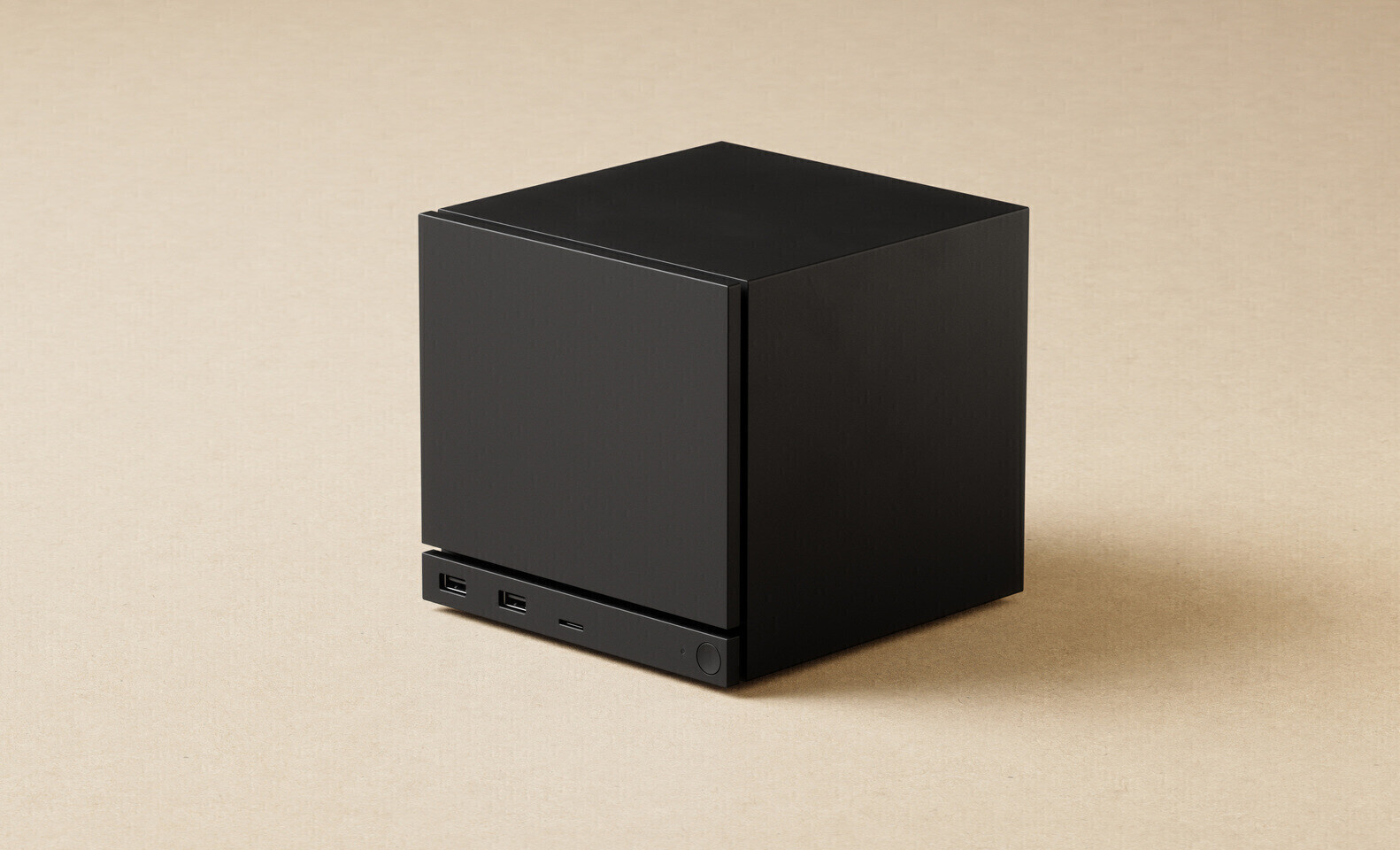
The shift toward higher memory capacities and more efficient compute solutions underscores a broader trend in the industry: the growing demand for integrated processors that can handle both general-purpose computing and specialized workloads like AI. This APU, with its refined architecture and expanded memory support, is well-positioned to meet those demands, particularly in compact form factors such as mini-PCs or handheld devices where power constraints are a critical consideration.
Looking ahead, the 'Gorgon Halo' APU could set the stage for further innovations in integrated computing. Its performance gains and memory capacity suggest that AMD is doubling down on efficiency and scalability, which will be key factors as AI workloads continue to push the boundaries of what's possible in integrated silicon. For IT teams evaluating solutions for AI development or high-performance local compute, this APU represents a compelling option—one that balances performance with power constraints while paving the way for future advancements.