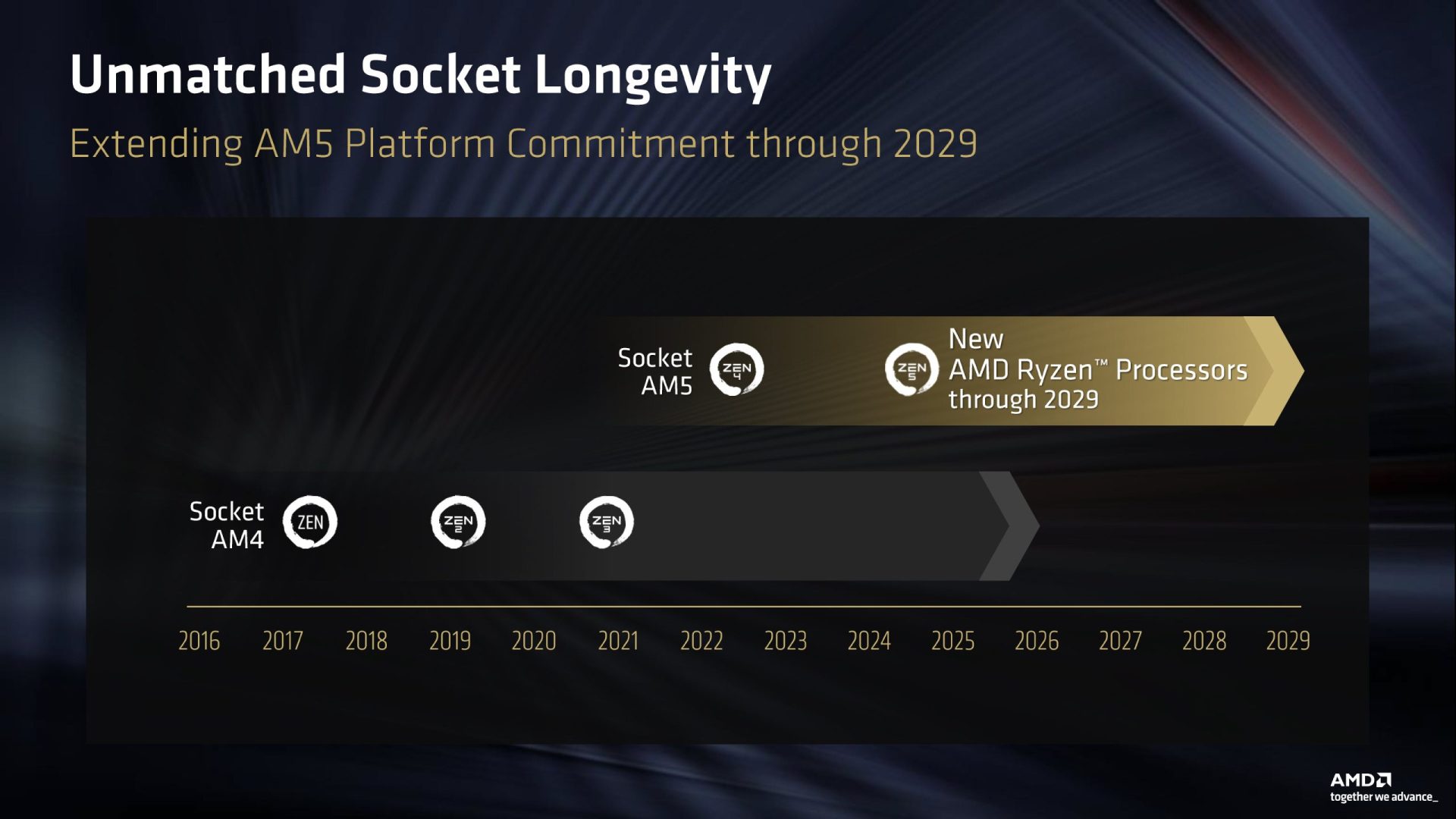
AMD’s AM5 platform is entering a new phase. The company has confirmed that it will continue to invest in the current socket through at least 2029, but with a key condition: future Zen architectures will only land on AM5 once DDR6 memory and PCIe 5.0 infrastructure are ready for mainstream adoption.
This is not just about extending product lifecycles—it’s about avoiding premature hardware transitions that could leave consumers stuck with incompatible systems. The move reflects a growing industry trend where platform upgrades are becoming more deliberate, prioritizing compatibility over rapid innovation.
The AM5 timeline: patience over haste
AMD’s strategy for AM5 is built on two pillars: stability and forward-looking flexibility. The company has already outlined plans to introduce new Zen architectures—Zen 4 and beyond—without forcing a socket change until the underlying ecosystem (memory and I/O standards) catches up.
Key milestones in this roadmap include
- Ongoing support for current Zen 3-based Ryzen processors on AM5, with no immediate plans to sunset them.
- A phased rollout of Zen 4 architectures, likely beginning in late 2022 or early 2023, depending on silicon readiness and market demand.
- No commitment to a next-generation socket (AM6 or similar) until DDR6 memory modules become widely available and PCIe 5.0 adoption accelerates beyond niche use cases like high-end GPUs.
The delay isn’t just about waiting for hardware—it’s also about ensuring that software ecosystems, from operating systems to development tools, are prepared for the next leap in performance. This cautious approach is a contrast to past generations, where socket changes often occurred alongside each new architecture release.
Why DDR6 and PCIe 5.0 matter
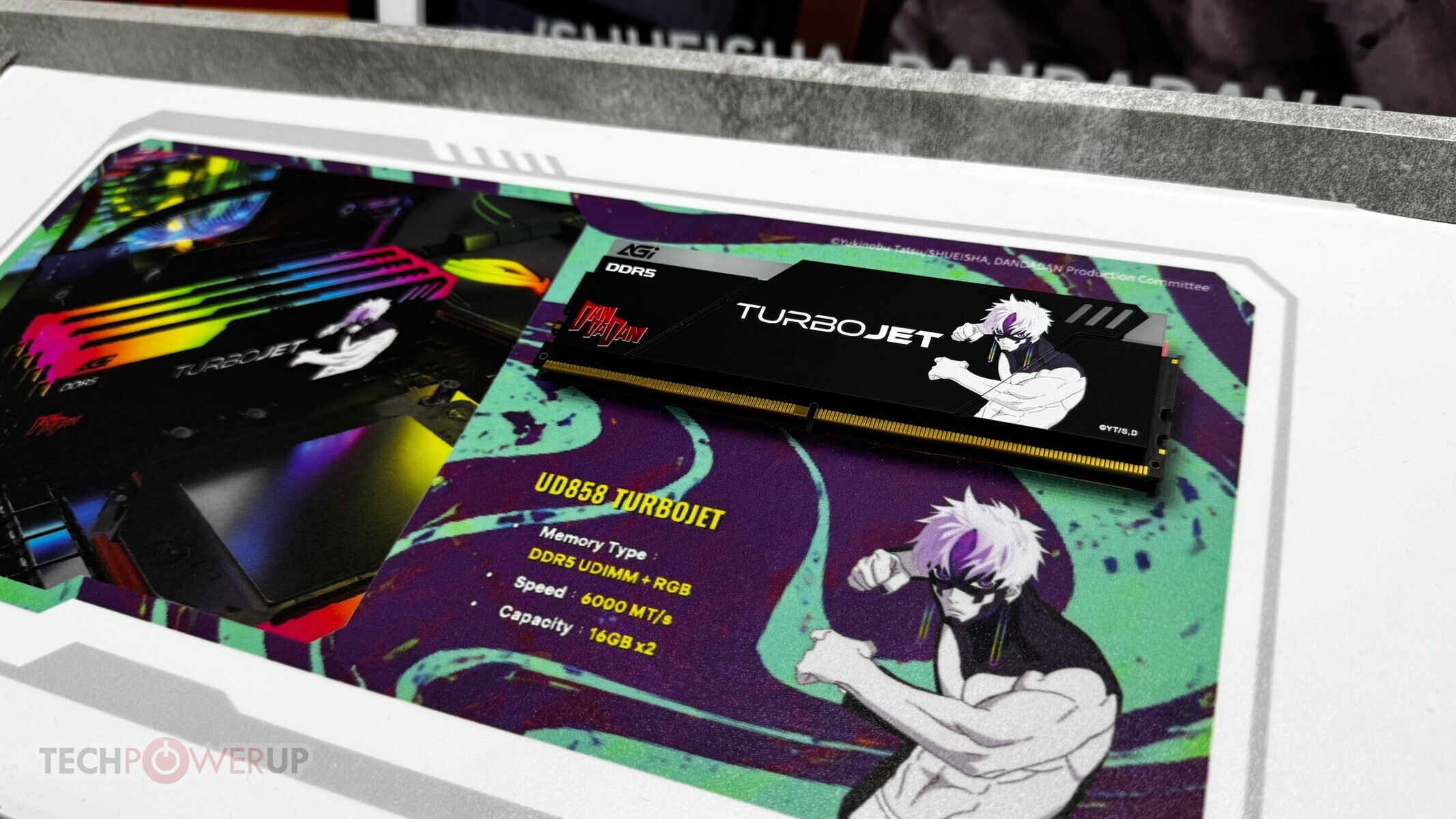
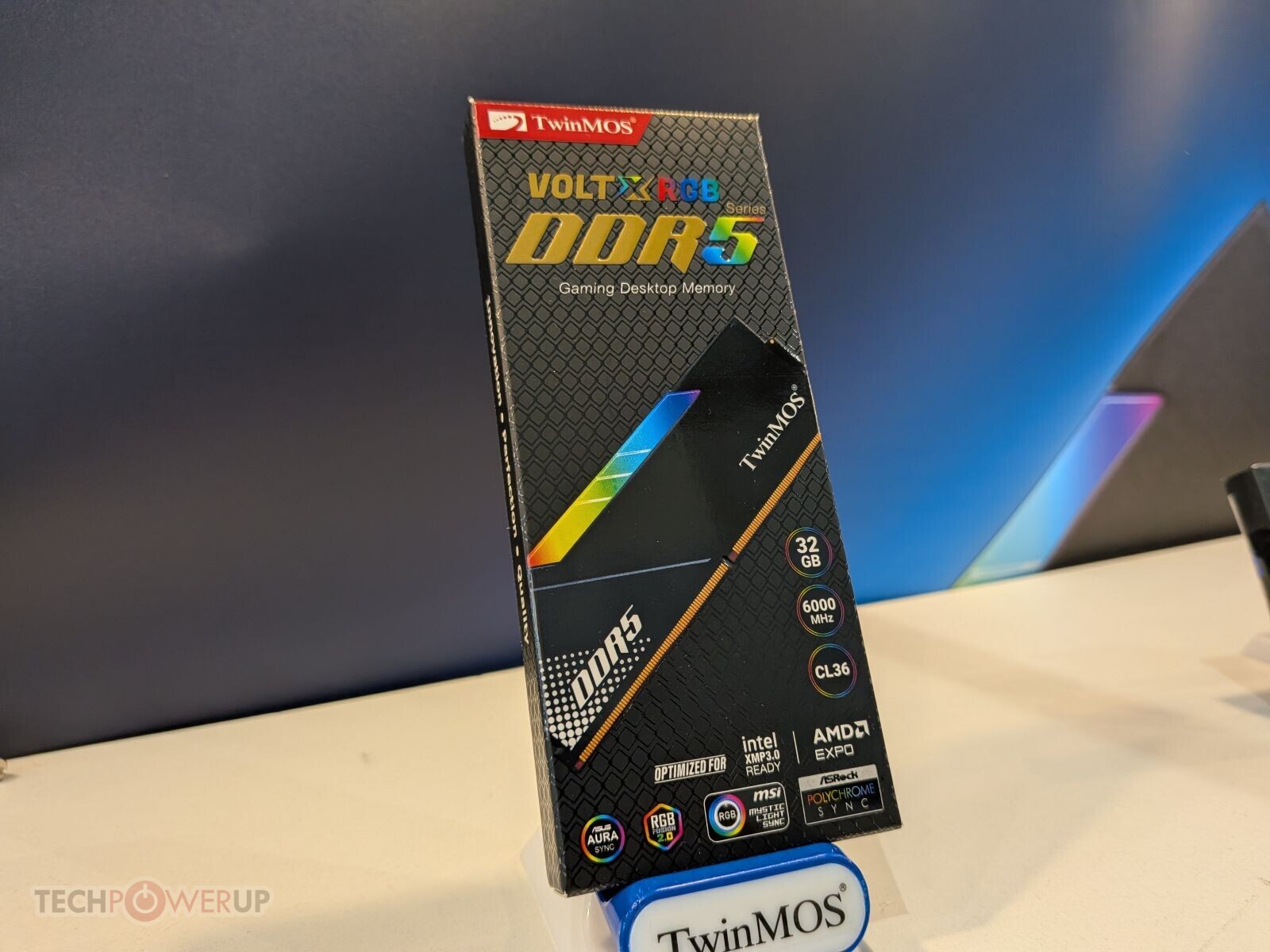
DDR6 memory and PCIe 5.0 represent more than just incremental upgrades; they are the foundation for next-generation performance in both gaming and productivity workloads. DDR6 promises higher bandwidth (up to 128GB/s per module) and improved power efficiency, while PCIe 5.0 doubles the I/O throughput of its predecessor, enabling faster GPUs, NVMe SSDs, and other high-bandwidth components.
However, the catch is that these standards are still in their early stages. DDR6 memory modules remain expensive due to limited production, and PCIe 5.0 adoption is currently confined to high-end graphics cards and enterprise storage devices. Forcing a socket change before the ecosystem matures could leave consumers with systems that quickly become obsolete or incompatible with future hardware.
AMD’s stance suggests it is betting on a slower but more sustainable path for platform evolution. This approach mirrors recent trends in the industry, where companies like Intel and NVIDIA have also extended support for existing sockets (LGA 1700 and AM4, respectively) to avoid fragmenting markets.
A competitive lens: what this means for gamers
For gamers, AMD’s roadmap has both upside and downside. On the positive side, extending AM5 support means that those who invest in a high-end system today won’t face an immediate need to upgrade just because of a new processor architecture. This could reduce sticker shock for premium builds while also prolonging the lifespan of existing hardware.
On the other hand, the delay in adopting DDR6 and PCIe 5.0 means that gamers may miss out on performance gains that these standards could bring. For example, DDR6’s higher bandwidth could translate to smoother gameplay at higher resolutions or faster load times, while PCIe 5.0 could enable next-gen GPUs with even more raw power.
The real-world impact will depend on how quickly the industry adopts these new standards. If DDR6 memory prices drop and PCIe 5.0 becomes a mainstream feature (not just for high-end cards), AMD may accelerate its roadmap. But if adoption remains slow, we could see AM5 support stretching even longer than 2029.
The most important change here is that AMD is no longer treating socket changes as an annual or bi-annual ritual. Instead, it’s tying platform evolution to real-world ecosystem readiness. This shift could redefine how consumers think about hardware upgrades—not as a forced cycle, but as a response to genuine performance needs.