The CPU market in late 2025 painted a picture of two distinct worlds: one where data centers and AI are driving explosive growth, and another where consumer adoption has slowed to a crawl. While server CPU shipments climbed 6.5% quarter-over-quarter—fueled by relentless demand for AI infrastructure—client CPUs saw only a modest 2.7% increase, reflecting broader challenges in the PC market.
- Server CPUs grew 6.5% Q4 2025 vs. Q3 2025, with AI and data center demand as the primary drivers.
- Client CPUs rose just 2.7% in the same period, down 7% year-over-year, as tariffs and Windows 10’s end-of-support influenced buying patterns.
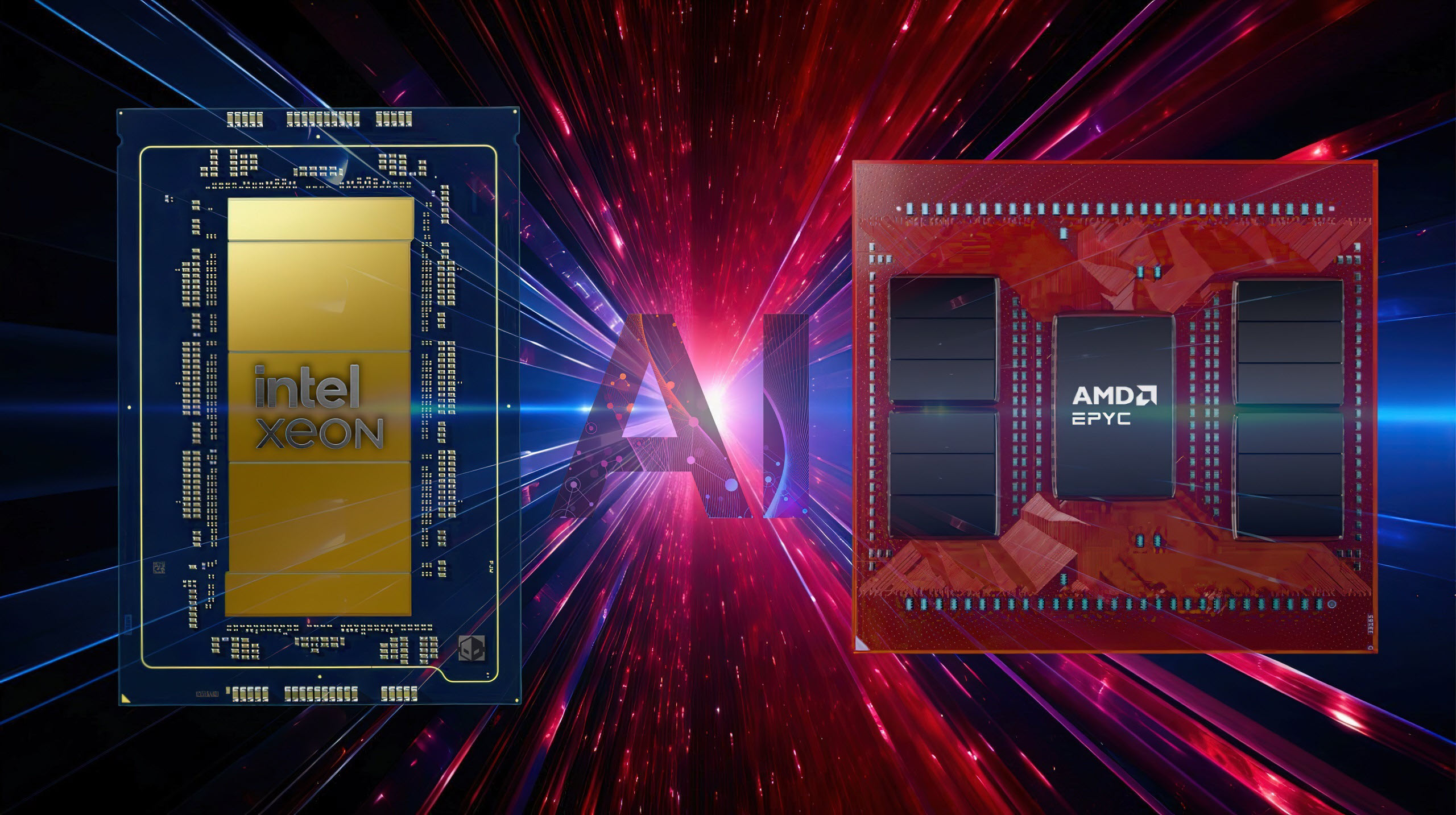
- AMD’s server market share jumped to 28.8% (up from 25.2% in Q4 2024), while Intel’s slipped to 71% (down from 75%).
- Intel’s roadmap for 2026 focuses on stabilizing server and client portfolios, including a custom Xeon-NVIDIA NVLink integration for AI nodes.
- Desktop and notebook CPUs now split market share evenly at 69% each, though notebooks dominate in unit volume.
- Memory constraints and higher pricing are expected to weigh on Q1 2026 client CPU shipments.
- AMD’s Ryzen 7 5800X remains a top-selling desktop CPU, outselling even its newer 7800X3D counterpart.
The divide between server and client markets has never been more pronounced. On the server side, AMD’s gains are directly tied to its aggressive push into AI-optimized data centers, where its EPYC processors are increasingly favored for their efficiency and scalability. Intel, meanwhile, is doubling down on partnerships—particularly with NVIDIA—to integrate its Xeon CPUs with NVLink, a move designed to capture the AI workload boom. The company’s simplified roadmap, centered on 16-channel Diamond Rapids and Coral Rapids (which reintroduces multi-threading), signals a shift toward stabilizing its market position after years of turbulence.
On the client side, the story is less about innovation and more about external pressures. The end of Windows 10 support for older devices, combined with fluctuating tariffs on PC imports, created a forced refresh cycle for some consumers. Yet, the overall growth remains tepid, with analysts attributing the slowdown to lingering memory shortages and elevated component costs. Even as AMD’s Ryzen 7 5800X continues to outsell its newer 7800X3D in some regions—a testament to its balanced performance and value—the broader market appears to be in a holding pattern. Intel’s upcoming Core Ultra Series 2 processors and the Panther Lake-based Core Ultra Series 3 aim to inject momentum, but whether they’ll be enough to reverse the trend remains an open question.
The contrast between the two segments underscores a larger industry shift. While servers and AI infrastructure demand record investment, the client market grapples with saturation, economic uncertainty, and the lingering effects of global trade policies. For AMD and Intel, the challenge isn’t just about outperforming each other—it’s about adapting to a market where growth no longer comes easy.