An overnight session with a Ryzen 7 9800X3D—streaming a low-bitrate video while idling at under 10% CPU—ended in silence. Not the quiet hum of a sleeping PC, but the abrupt, ominous stillness of a system that had simply stopped. The monitor flickered, the fans stalled, and when the user pressed the power button, nothing. No POST, no error code, just a motherboard left in limbo. The only clue: an orange DRAM Q-LED on the ASUS X870-Plus motherboard, flashing a cryptic warning of CPU failure.
What followed was a diagnostic nightmare. Swapping in a Ryzen 5 7500F revealed the motherboard and RAM were functional. The original 9800X3D, however, showed no physical signs of damage—no scorched socket, no corrosion. Yet it refused to power on, leaving the owner with a $600 CPU and no explanation. This isn’t just a one-off glitch. Reports of Ryzen 9000 failures—particularly the 9800X3D—have multiplied across forums, often tied to outdated BIOS versions and motherboards launched before AMD’s latest platform.
The issue cuts deeper than thermal throttling or overclocking. The failed system had no manual tweaks enabled, yet it crashed under minimal load. AMD’s AGESA 1.3.0.0a update, released in early 2025, was absent from the motherboard’s BIOS—a gap that may have contributed. The 9800X3D’s 3D V-Cache architecture, while delivering record gaming performance, appears to introduce stability risks that older AM5 motherboards weren’t designed to handle.
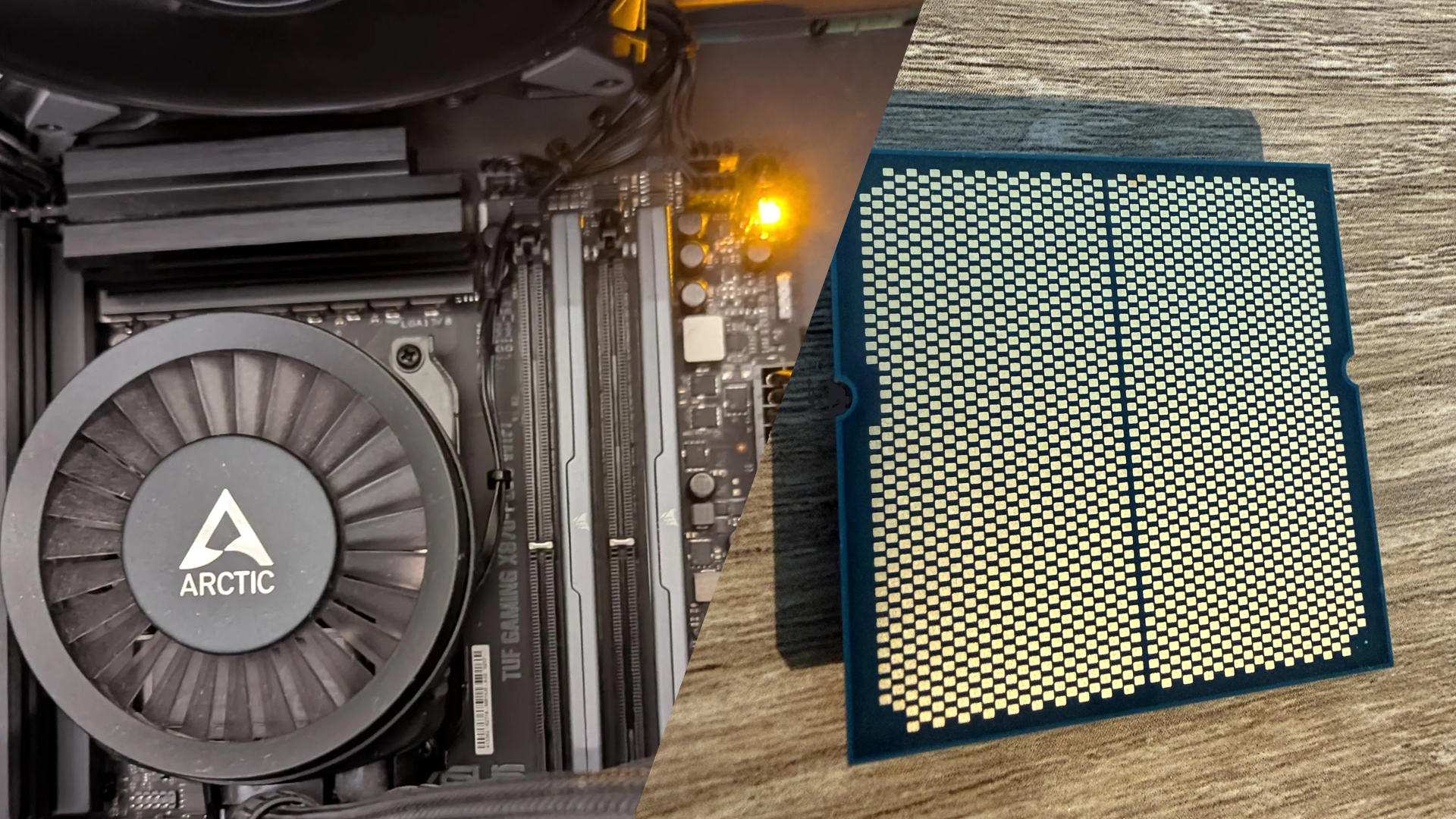
This isn’t the first time. Earlier this year, users on ASRock 800-series boards reported similar shutdowns, often with no clear trigger. AMD’s RMA process remains the primary recourse, but the pattern suggests a broader problem: one where firmware, hardware, and compatibility collide to create a perfect storm of instability.
For users with AM5 systems, the message is clear: BIOS updates are no longer optional. Motherboard vendors have pushed patches to address Ryzen 9000 quirks, but adoption remains uneven. The 9800X3D, in particular, may require closer scrutiny—its 3D stack could introduce electrical or thermal stresses that older platforms weren’t built to mitigate. Until AMD or motherboard manufacturers provide definitive answers, this case serves as a warning: even the most capable hardware isn’t immune to silent failures.
The fallout could reshape AM5’s long-term reputation. If these issues persist, AMD may face pressure to extend warranties or accelerate firmware revisions. For now, the only safeguard is vigilance—ensuring BIOS is up to date, monitoring for early signs of instability, and recognizing that even idle systems demand attention. The Ryzen 7 9800X3D’s performance is unmatched, but its stability may now be its Achilles’ heel.