A shift is underway in open-world games, where players no longer just navigate a world—they interact with it in ways that feel alive. A recent title from a leading studio pushes this further by introducing two major innovations: villagers whose conversations adapt dynamically to player actions and the ability to tame creatures for combat or exploration. The challenge isn’t just technical; it’s about whether these features can coexist without overwhelming systems, particularly on mid-range hardware.
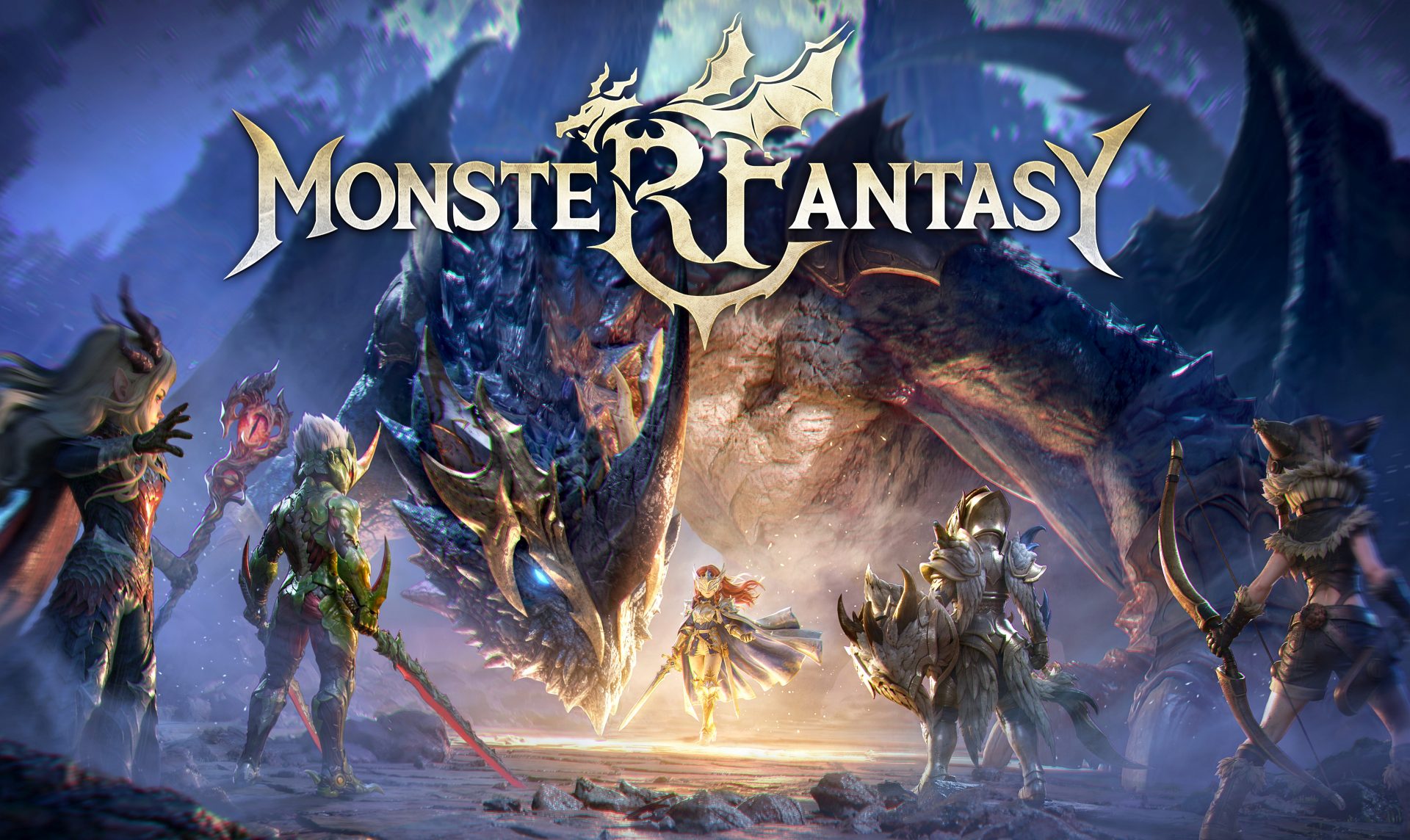
The game’s villager system is designed to handle over 100 NPCs simultaneously, each capable of reacting in real time to player choices—whether that’s inventory management, faction reputation, or environmental factors like time of day. This represents a departure from traditional dialogue trees, which often rely on pre-written scripts and can feel repetitive. Meanwhile, the monster taming mechanics allow players to subdue creatures ranging from mythical beasts to fantasy foes, integrating them into gameplay in ways that could open new paths for exploration or combat. However, the AI workload is substantial, with the game recommending at least 16 GB of RAM and an NVIDIA RTX 3060 or equivalent GPU to ensure smooth performance.
Performance: A Delicate Balance
The real test for this game lies in how well it manages its AI demands without sacrificing gameplay fluidity. While the villager NPCs are built to react dynamically, their presence—alongside tamed creatures—could strain systems, particularly in dense environments where multiple elements are active. Players on lower-end hardware may find themselves adjusting settings or disabling effects to maintain acceptable frame rates, a common tradeoff in titles with heavy AI processing. The question is whether the developers can optimize this balance without making concessions that undermine the experience.
- 16 GB RAM minimum for optimal performance
- NVIDIA RTX 3060 (or equivalent) recommended for real-time AI features
- Over 100 villager NPCs with dynamic, adaptive conversations
- Monster taming mechanics with rideable creatures and combat integration
A practical example illustrates the potential: in a bustling market square, villagers might react to a player’s inventory choices or faction standing, creating moments that feel unique rather than recycled. Similarly, taming a fire-breathing dragon could unlock new exploration paths, but managing its behavior—alongside other AI-driven elements—would require careful resource allocation.
Standing Out in a Crowded Genre
This isn’t the first game to explore AI-driven NPCs or monster taming, but it’s one of the few attempting to merge both into a cohesive system. Competitors have often prioritized one aspect over the other—either delivering deep, scripted interactions (like those found in narrative-driven titles) or focusing on creature dynamics (such as in combat-focused open-world games). The risk here is that the AI workload could create a scenario where the game looks impressive but feels sluggish, particularly when multiple villagers and tamed creatures are active. Developers have emphasized optimization, but real-world testing will determine whether the balance between immersion and performance holds.
For players who prioritize innovation over raw power, the appeal lies in the potential for emergent gameplay—moments where the AI’s decisions create unexpected scenarios. However, those demanding maximum settings may find themselves making tradeoffs elsewhere, whether it’s texture quality or frame rates. The success of this game won’t just depend on its technical execution; it will hinge on whether it can deliver on its vision without alienating players who expect smooth performance.
Looking Ahead
The full experience will be judged by how well the AI system scales across different hardware tiers and whether the monster taming mechanics feel as dynamic as promised. Pre-order pricing is set at $70, with early access expected in late 2024. If the technology delivers on its potential without sacrificing performance, this could redefine what players expect from open-world games—blurring the line between player and world in ways that feel both powerful and natural.