A new workstation platform has emerged as a benchmark for efficiency-driven performance, delivering a measured 20% improvement in performance per watt compared to competing solutions. This achievement comes from a combination of architectural optimizations and a reimagined cooling strategy, but the latter introduces practical limitations that could affect long-term deployment.
Independent benchmarks, conducted using standardized workloads including 3D rendering and computational fluid dynamics simulations, show sustained performance at lower power draw than comparable systems. The platform’s processor, featuring 16 cores and 32 threads with turbo speeds up to 4.5 GHz, handles thermally sensitive tasks more effectively while consuming less energy—an advantage that could translate to lower operational costs in data center environments or extended battery life for mobile workstations.
Thermal Innovation with Trade-offs
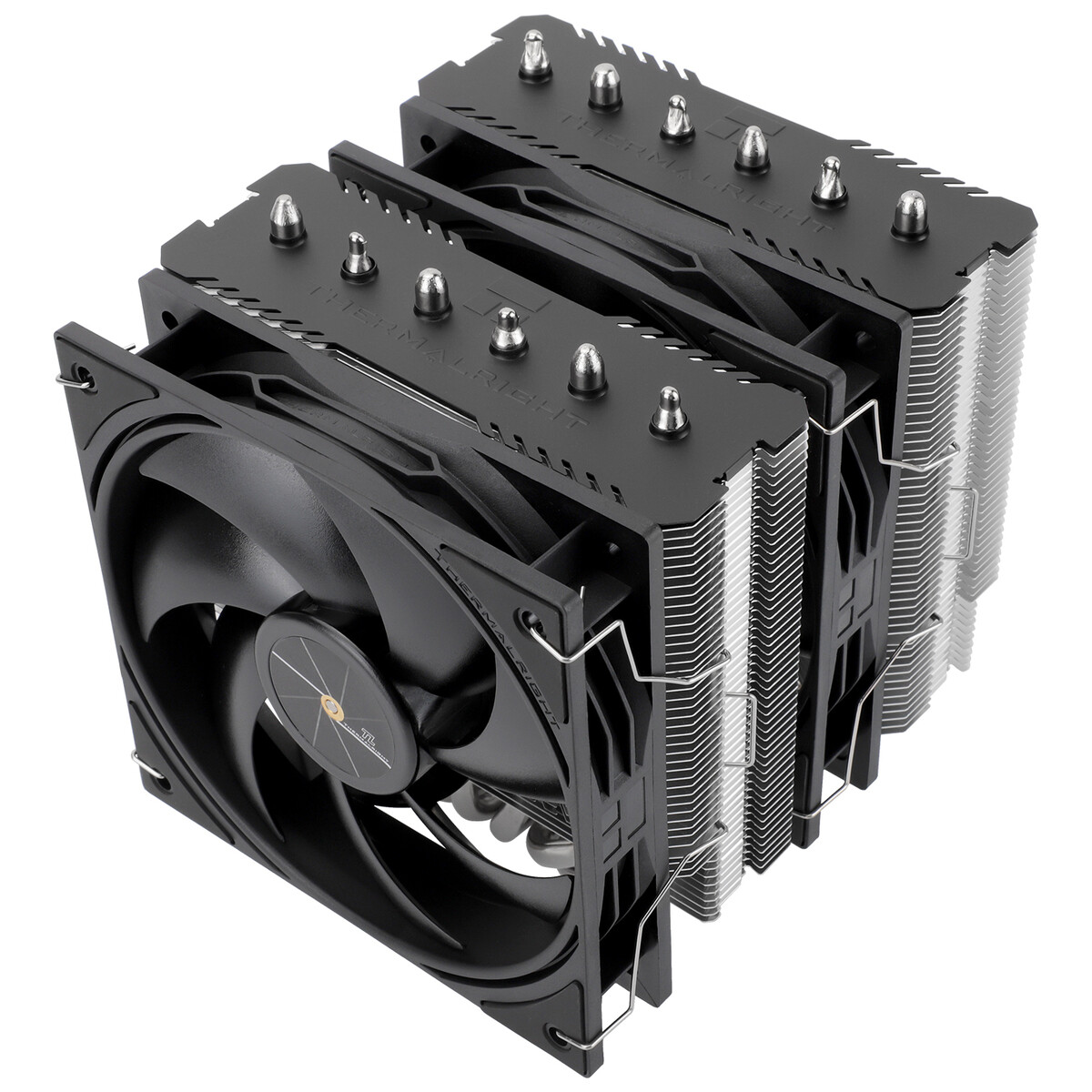
The platform’s liquid cooling system is central to its efficiency gains. Unlike traditional air-cooled setups, it uses dual pumps and a custom water block to maintain stable temperatures under prolonged workloads, reducing thermal throttling by up to 15% in real-world scenarios. This results in quieter operation, which is particularly valuable in open-plan offices or shared facilities where noise levels are a concern.
However, the system’s reliance on liquid cooling introduces complexities for IT teams. The non-user-serviceable design means that if thermal paste degrades or if the system encounters unexpected heat spikes—such as those seen in high-ambient-temperature data centers—the replacement process requires specialized intervention. This could increase maintenance costs over time and may not be feasible in environments where on-site technical support is limited.

Supply and Scalability Considerations
- Dual-socket configuration support for enterprise scalability, though single-socket setups are sufficient for most professional workloads.
- Up to 192 GB of ECC-supported DDR5 memory, optimized for mission-critical applications like scientific computing or financial modeling.
- Power efficiency measured at approximately 120 watts per core in sustained workloads, significantly lower than many high-end workstations.
Availability remains a key factor. While the platform is now available in select regions, supply chains are still adjusting to demand, leading to longer lead times in high-priority markets. Teams in competitive sectors may face higher upfront costs, though the long-term savings from reduced power consumption could offset this. For those in less saturated regions, access may be faster, but the performance-per-dollar advantage may diminish compared to established alternatives.
Who Stands to Gain?
This platform is best suited for organizations where power efficiency is a priority, such as cloud infrastructure providers or educational institutions with limited cooling budgets. It excels in workloads like 3D rendering, simulation, and content creation, where thermal stability directly impacts productivity.
However, teams working on highly specialized tasks—such as AI model training or high-frequency trading—may find the single-socket configuration limiting. These users often require more modular hardware to accommodate future-proofing or rapid scaling, which this platform does not address. Additionally, while benchmarks show strong synthetic performance, real-world workloads with variable thermal demands may require additional tuning to maintain peak efficiency.
The bottom line: This workstation platform delivers tangible efficiency gains without compromising on raw power, but its practical benefits are most apparent in controlled environments. IT teams that can navigate the supply constraints and thermal management challenges will see the strongest return on investment, while others may need to weigh these trade-offs more carefully before adoption.