Valve's latest stable Steam Deck client update, released on January 21, 2026, represents a significant step forward in controller compatibility and user configuration options. While the update primarily targets handheld gaming, its impact extends well beyond the Steam Deck, with multiple features now available to Linux and Windows desktop users through shared software components.
The update addresses longstanding usability issues while introducing refined input handling that could influence broader gaming platform development. Industry analysts note this marks a shift in Valve's approach—moving from incremental improvements to more comprehensive system refinements that may set new benchmarks for portable gaming devices and their desktop counterparts.
Key among the changes is expanded controller support that includes re-enabled compatibility with the Nintendo Switch 2 wired controller, official recognition of the Razer Raiju V3 Pro, and resolution of connection stability issues with the Nacon PS4 Compact controller. These additions suggest Valve is prioritizing broader hardware integration while maintaining performance consistency across different input devices.
On the technical side, the update introduces immediate glyph updates when new controllers connect—eliminating previous delays that required initial user input to register device changes. This represents a subtle but meaningful improvement in system responsiveness that could influence future handheld and desktop gaming interfaces.
Accessibility features have also seen substantial development. Users can now filter their game libraries by language and accessibility characteristics, providing more granular control over content discovery. Additional configuration options include enhanced trigger output visibility and a new Smooth Fine Movements toggle specifically designed for controllers with older inertial measurement units (IMUs). This feature was previously recommended for devices showing high resting signal noise but is now made more accessible through the calibration settings interface.
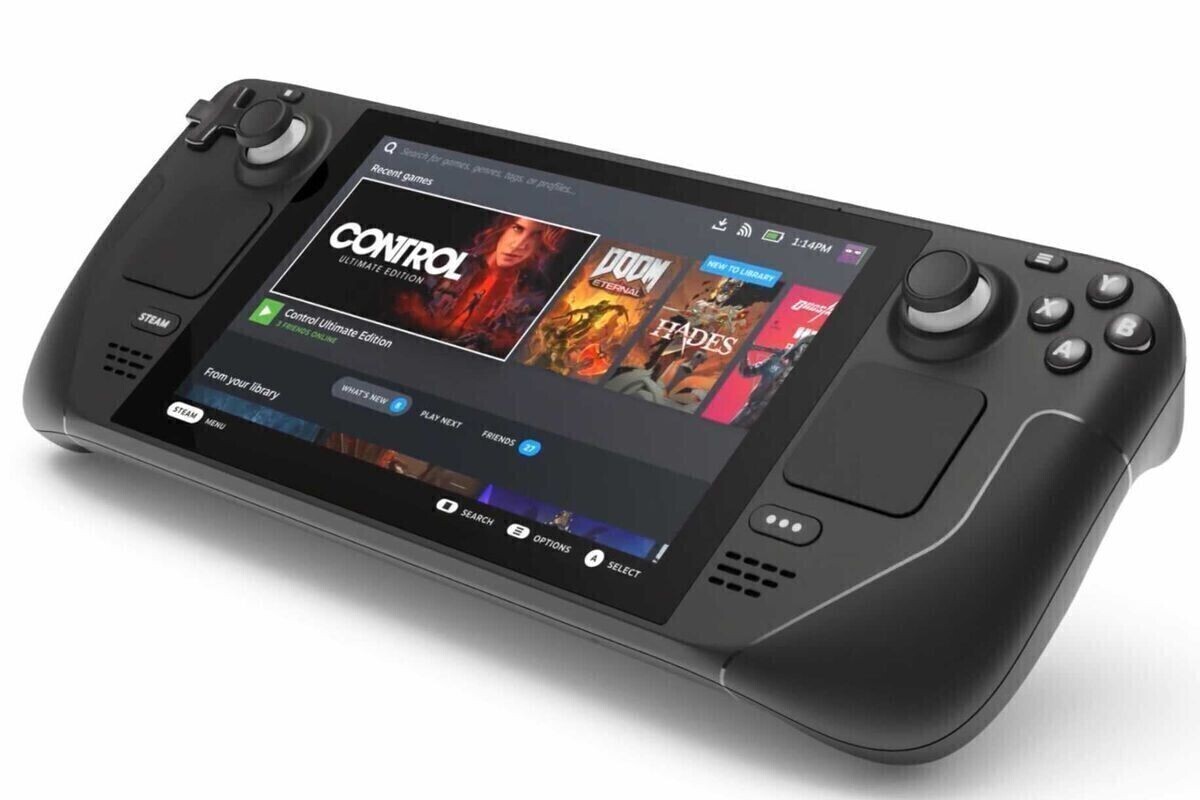
Joystick response behavior has been further refined with the addition of a Response Axis Style selector that allows users to choose between per-axis or circular movement patterns. Circular response, which becomes the default when not using linear curves, offers what Valve describes as more natural input behavior—a change that could influence how gaming platforms handle analog stick inputs going forward.
System stability improvements are equally notable. The update resolves several edge cases including unexpected game exits for Steam DRM-protected titles like Mafia II and Football Manager 2012, fixes registry key errors in legacy games such as Arma 2: Operation Arrowhead, and addresses persistent issues with microSD card formatting that previously left users unable to proceed despite successful insertions.
Looking ahead, industry observers suggest these refinements could have broader implications for Valve's Steam Machine initiative and potential VR developments. By making controller handling more robust while extending functionality to desktop environments, Valve appears to be laying groundwork for a more unified gaming ecosystem where input consistency spans multiple form factors. The move toward Linux compatibility, particularly through shared software components, may also accelerate adoption of open-source solutions in the gaming space—a development that could challenge traditional Windows-centric approaches.
The update's impact on the broader market remains to be seen, but its technical depth suggests Valve is increasingly treating controller input as a foundational element rather than an afterthought. As more OEMs enter the portable gaming space, these refinements could set new expectations for hardware-software integration that extend beyond Valve's own products.