Ubisoft’s bold restructuring plan is taking form, and the first major appointment has arrived—though not without controversy. The company has officially named Charles Guillemot, the son of Ubisoft CEO Yves Guillemot, as the leader of its most high-profile creative house, overseeing franchises like Assassin’s Creed, Far Cry, and Rainbow Six. This hire, confirmed in recent financial filings, signals Ubisoft’s shift toward external leadership for its new creative divisions—a strategy that begins rolling out in April.
At the same time, the company’s aggressive overhaul—marked by layoffs, a return-to-office mandate, and budget cuts—has ignited backlash. Thousands of employees are preparing to strike, demanding accountability from leadership and questioning whether the restructuring will preserve Ubisoft’s creative legacy or accelerate its decline.
Key Moves in Ubisoft’s Restructuring
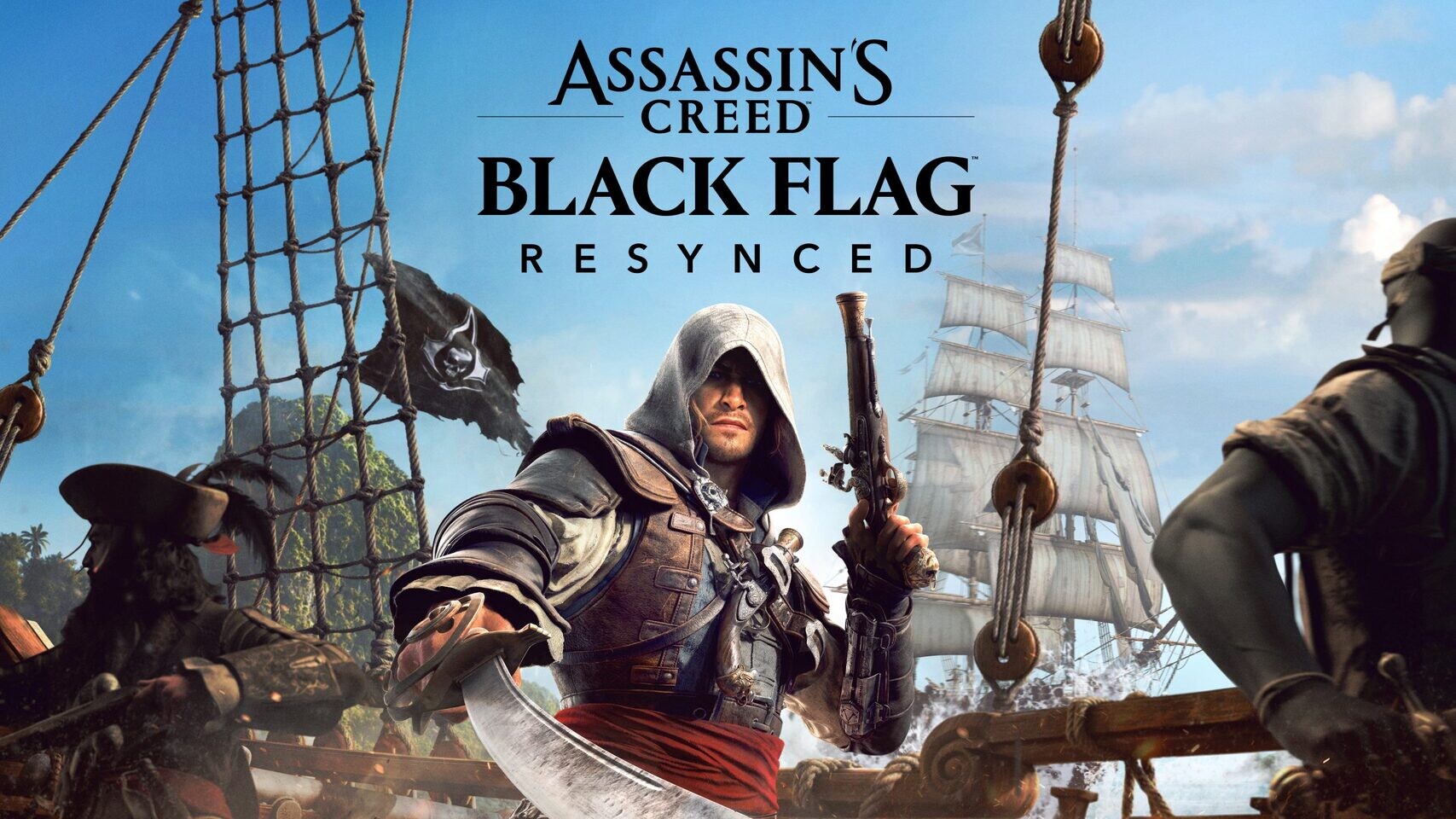
- Creative House Leadership: Charles Guillemot, previously unconfirmed in a major role, has been appointed to lead Creative House 1, which includes Ubisoft’s biggest franchises: Assassin’s Creed, Far Cry, and Rainbow Six.
- External Hiring Push: Ubisoft plans to fill other creative house leadership positions with outsiders, with details expected as the new model launches in April.
- Return of Former Talent: The company reports a surge in rehired ex-employees, though morale remains low amid layoffs and policy changes.
- Upcoming Strike: Employees are organizing a protest, citing up to an 18% workforce reduction and demanding CEO Yves Guillemot’s resignation.
- New Operating Model: The five creative houses will handle funding, creative direction, and publishing independently—a departure from Ubisoft’s traditional studio-based approach.
A Gamble on External Leadership
The appointment of Charles Guillemot—who lacks a public track record in game development leadership—has drawn immediate skepticism. Critics argue this move smacks of nepotism, while others suggest it could signal Ubisoft’s desperation to inject fresh perspective into its struggling franchises. The company’s decision to bring in outsiders aligns with a broader trend in the industry, where studios like Activision and EA have also turned to external executives to drive innovation. However, Ubisoft’s internal turmoil complicates the transition.

The new creative house model aims to streamline decision-making by giving each division autonomy over budgets and marketing. Yet, with franchises like Assassin’s Creed facing delays and cancellations, the question remains: Will this restructuring energize Ubisoft’s creative output, or will it further destabilize an already fractured workforce?
Internal Unrest and the Path Forward
Ubisoft’s return-to-office policy, combined with layoffs and project cancellations, has pushed employee morale to a breaking point. The planned strike—one of the largest in the company’s history—highlights deep dissatisfaction with Yves Guillemot’s leadership. While Ubisoft claims the restructuring is necessary for long-term growth, the immediate fallout suggests a company at a crossroads.
As April approaches, all eyes will be on whether Ubisoft can successfully implement its new model without alienating its talent further. The stakes are high: If the creative houses thrive under external leadership, Ubisoft could emerge stronger. But if internal dissent escalates, the company risks losing the very teams it’s counting on to execute its vision.