Ubisoft’s Toronto studio has entered a period of uncertainty following the layoff of 40 developers, a move framed as part of the publisher’s broader restructuring efforts. While the studio remains the lead developer for the Splinter Cell remake—a project first teased in 2021 after years of fan anticipation—the workforce reductions raise immediate concerns about whether the ambitious revival can stay on track.
The cuts come as Ubisoft Toronto also continues to support Rainbow Six and other co-development projects, though the studio’s capacity to deliver multiple high-profile titles simultaneously has become a point of speculation. The company has not disclosed whether the layoffs will directly impact the remake’s timeline, which has already faced delays and shifting leadership.
David Grivel’s return as game director in late 2025 marked a rare update for the project, but no concrete release window has been provided. Given Ubisoft’s history of delays—including the cancellation of the Prince of Persia: Sands of Time remake—fans and industry observers are left questioning whether the Splinter Cell revival will face a similar fate.
What’s Officially Known
- The Splinter Cell remake is still in active development at Ubisoft Toronto.
- 40 developers have been laid off, but Ubisoft claims the project’s production is unaffected.
- The Toronto studio remains involved in Rainbow Six and other co-development efforts.
- Severance packages and career support are being offered to affected employees.
What Remains Uncertain
The most pressing question is whether the layoffs will slow down the remake’s development. With no official release date and limited updates since Grivel’s return, the project’s visibility has diminished. Industry analysts note that Ubisoft’s recent financial struggles—including declining sales in some key franchises—have forced a shift toward cost-cutting measures, but the long-term impact on creative output remains unclear.
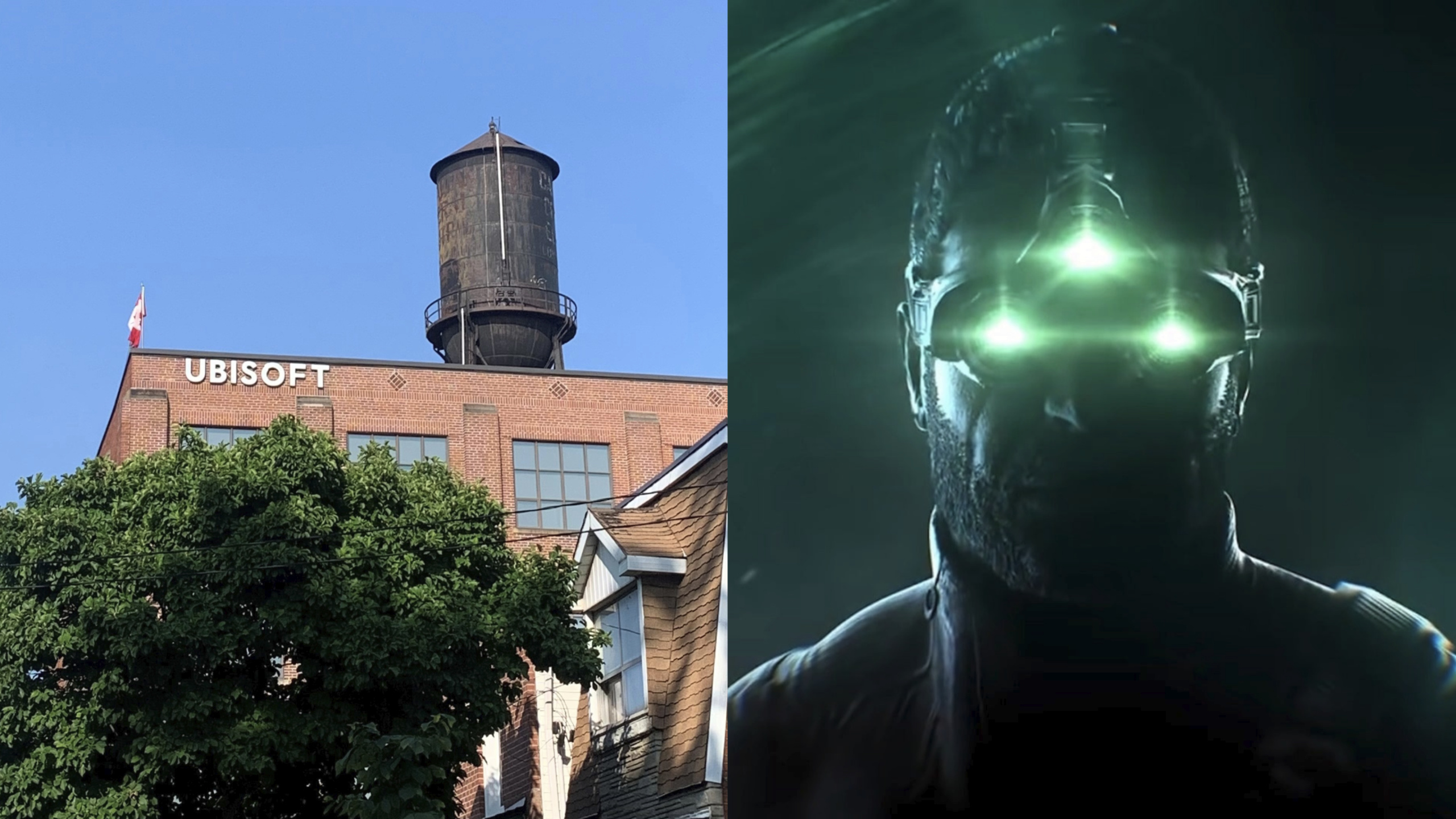
Additionally, the studio’s ability to maintain momentum on multiple major projects is under scrutiny. While Ubisoft has emphasized that the Splinter Cell remake is a priority, the lack of transparency around development resources and timelines has left both employees and fans uneasy. The franchise’s last major entry, Blacklist*, was released in 2013, meaning the remake has been in development for nearly a decade—a timeline that already suggests potential challenges ahead.
A Franchise at a Crossroads
The *Splinter Cell remake represents a high-stakes gamble for Ubisoft. The franchise, once a cornerstone of stealth-action gaming, has struggled to regain its former relevance in an industry dominated by live-service titles and competitive multiplayer experiences. The remake’s success will depend not only on its technical execution but also on whether it can recapture the franchise’s signature tension and storytelling.
Meanwhile, Ubisoft’s broader restructuring—including the cancellation of several projects and internal strikes by employees—has created an atmosphere of instability. The company’s recent financial reports highlight growth in the Assassin’s Creed franchise, but the Splinter Cell remake remains an untested variable in an already volatile landscape. Without clearer communication from Ubisoft, the project’s future hangs in the balance, leaving both developers and fans in a state of cautious optimism.
For now, the studio’s remaining team is tasked with delivering a remake that has been years in the making. Whether the layoffs will derail progress—or simply reshape the project’s direction—remains one of the biggest unknowns in Ubisoft’s current restructuring saga.