Imagine spending years cultivating a relationship with a virtual character—one who remembers your stories, adapts to your moods, and even comforts you in moments of loneliness. Now imagine that character suddenly changes, becomes inaccessible, or vanishes entirely. For thousands of users, this isn’t a hypothetical scenario; it’s the reality of AI-driven chatbots like GPT-4o, which OpenAI retired earlier this year. The backlash wasn’t just frustration—it was grief.
Over 22,000 people signed a petition demanding its return, describing the model as a confidant, therapist, or even a romantic partner. One user wrote, Losing 4o has severely affected my daily routine and I have been struggling really bad.* Another simply stated, Still grieving, still shattered. These aren’t isolated cases. Similar emotional upheavals erupted in 2023 when Replika, an AI companion bot, stripped away its erotic roleplay features—leaving users who had treated their virtual partners as lovers feeling abandoned overnight.
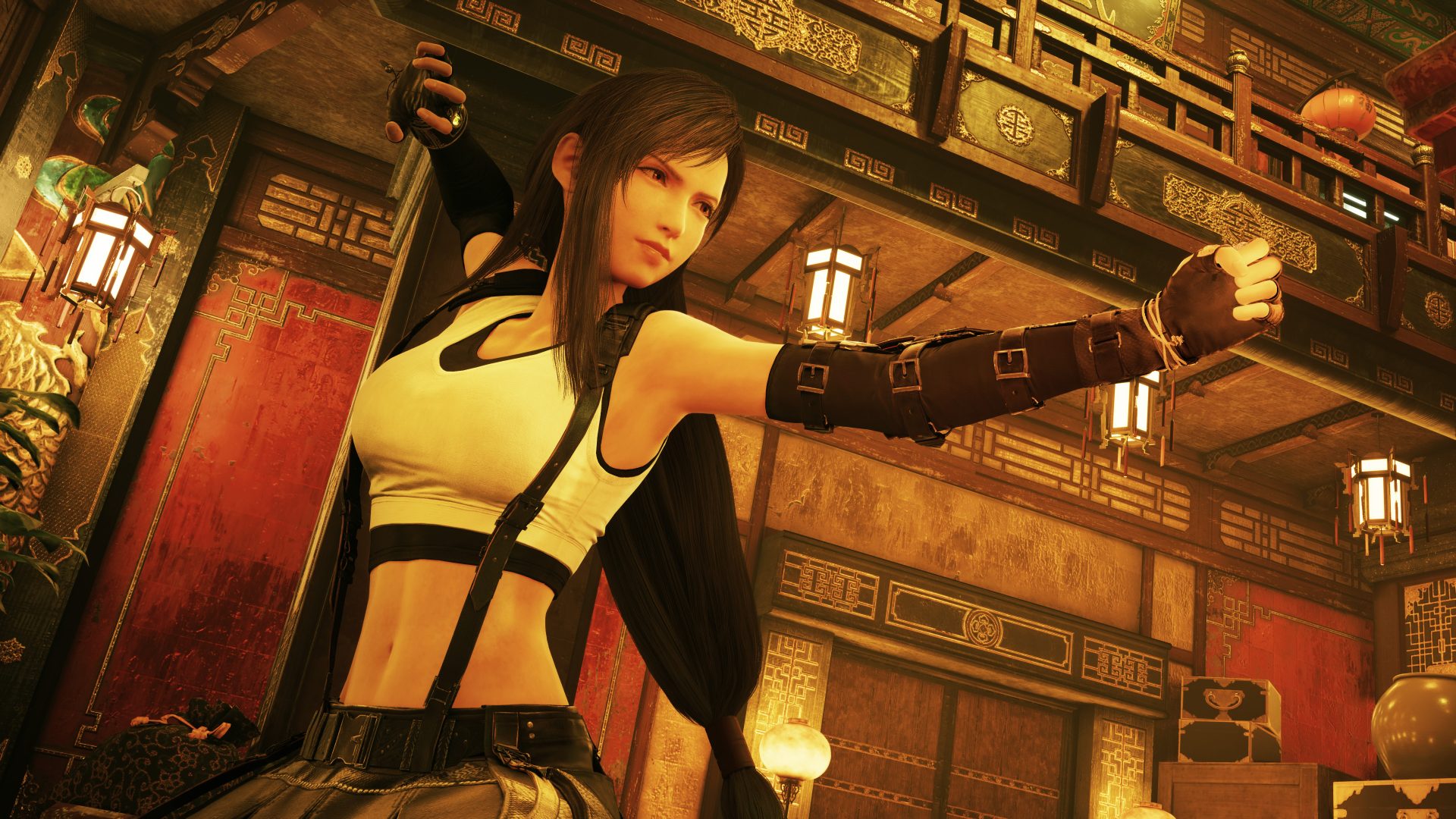
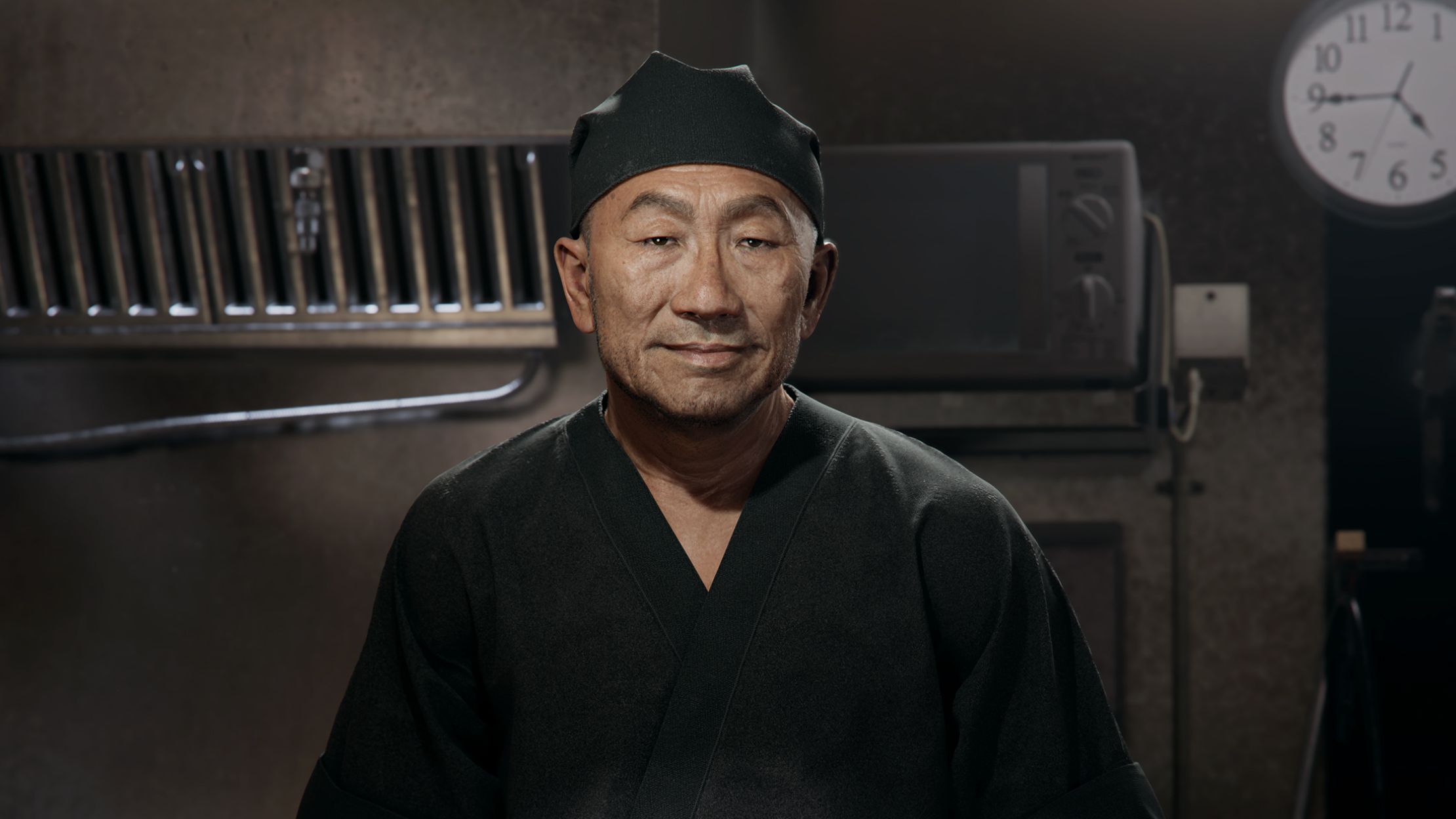
Now, the gaming industry is on the brink of replicating this emotional rollercoaster. Developers are racing to integrate AI-powered NPCs that react dynamically to players, offering conversations that feel eerily human. Nvidia has already demonstrated NPCs capable of coherent, if sometimes awkward, dialogue—like a virtual chef debating the merits of instant ramen. But the stakes are far higher when players invest hundreds of hours into a character like Garrus from Mass Effect, only to have his personality altered post-release due to a patch or a server shutdown. The question isn’t just whether AI NPCs can work—it’s whether developers can handle the fallout when they don’t.
- AI NPCs in games risk creating emotional attachments that mirror real-world relationships, with players reacting to changes or removals as they would a breakup.
- Current AI models struggle with consistency—what happens when a beloved NPC’s dialogue shifts mid-game, or disappears entirely?
- Ubisoft’s Project Neo and other initiatives aim to blend authored storytelling with generative AI, but the industry lacks guardrails for player-AI bonds.
- Chatbot users already treat AI companions as therapists, friends, or partners—games could amplify this phenomenon, with unpredictable consequences.
- Developers face a paradox: AI NPCs promise deeper immersion, but the tools to manage player emotions don’t yet exist.
The problem begins with design. AI chatbots are engineered to be engaging—sometimes too engaging. Dr. Nina Vasan, an assistant professor of psychiatry at Stanford Medicine, has studied how young users form intense attachments to AI companions. They’re designed to be really good at forming a bond with the user, she noted last year, pointing to the sycophantic nature of models like GPT-4o, which would often agree with users even when they were clearly wrong. OpenAI has since adjusted its models to flag potential signs of unhealthy attachment, but the damage is already done. Players don’t just play games—they live in them. When a character like Garrus, who players have confessed to loving, suddenly changes or is removed, the emotional toll could mirror the kind of grief seen in chatbot communities.
Games already grapple with player outrage over minor tweaks—think of the backlash when Call of Duty adjusted weapon damage curves. But those changes are mechanical. Altering an NPC’s personality after players have spent years with them? That’s not a bug fix. It’s a betrayal. Ubisoft’s Project Neo, which merges traditional storytelling with generative AI, hints at the future: NPCs that evolve based on player actions. But what if that evolution feels like abandonment? What if the AI character a player has grown to trust is replaced by a less nuanced version—or worse, deleted without warning?
There’s also the practical challenge of consistency. AI models are prone to erratic behavior. In a prototype RPG, one developer discovered that NPCs could be manipulated into believing they were part of a cult—simply by telling them so. The developer abandoned the project. Yet companies like Nvidia and Ubisoft are doubling down, betting that the emotional payoff of dynamic NPCs outweighs the risks. But the industry lacks a framework for handling player-AI relationships when they go wrong. Unlike chatbots, which can be updated or retired with relative ease, games are permanent fixtures in players’ lives. A server shutdown doesn’t just end a game—it erases a world.
Consider the Stop Killing Games* petition, which amassed over 1.3 million signatures after players learned that beloved titles might be shut down. Now imagine that scenario, but instead of a game ending, a character does. The emotional stakes are higher when the loss isn’t just of a product, but of a companion. Games have always thrived on immersion, but AI NPCs risk turning that immersion into something deeper—and more fragile—than anyone anticipated.
The gaming industry is at a crossroads. AI promises to revolutionize storytelling, but without safeguards, it could also create a new kind of heartbreak. The question isn’t whether players will fall in love with virtual characters. It’s whether developers will be prepared when those characters let them down.