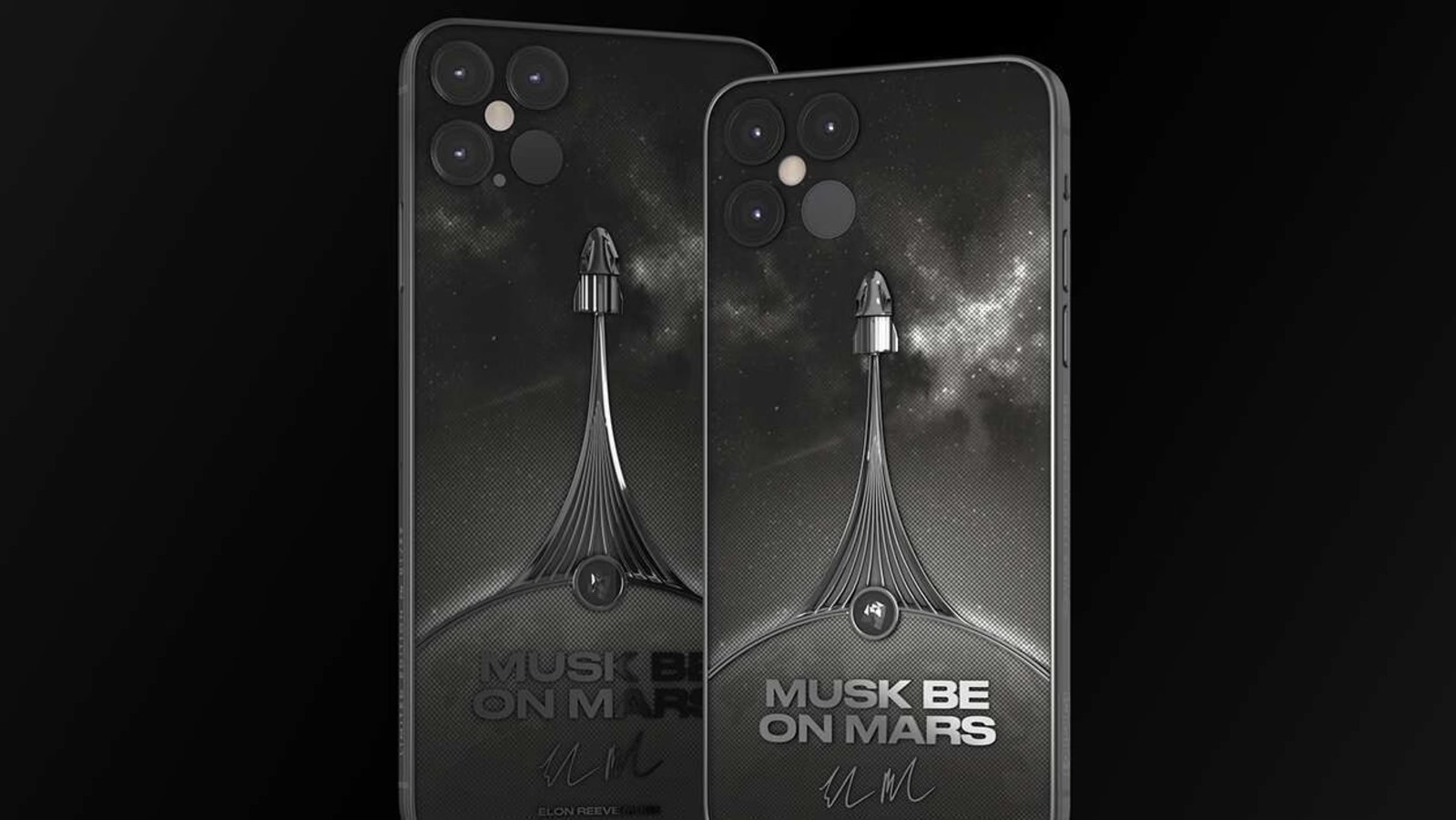
Forget everything you know about smartphones. The Starlink Phone isn’t just another device vying for your attention alongside the latest iPhone or Galaxy flagship. It’s a radical departure—a hardware platform built around the idea that computation belongs in space, not in your pocket. With no traditional mobile operating system, no app ecosystem, and a complete reliance on satellite connectivity, this $250 device isn’t designed to replace your daily driver. Instead, it’s a glimpse into a future where phones become little more than antennas for orbital AI.
At its core, the Starlink Phone is an AI inference machine disguised as a handheld device. While today’s smartphones juggle general-purpose chips to handle everything from gaming to web browsing, this device appears to offload nearly all heavy lifting to Starlink’s satellite network. That means no Snapdragon or Apple Silicon under the hood—just specialized accelerators tuned for neural networks, similar to what OpenAI is testing in its own hardware experiments. The result? A device capable of running complex AI models without waiting for cloud responses, but only if Starlink’s satellites are in range.
The trade-offs are immediate and stark. There will be no Instagram, no TikTok, and no traditional mobile web. Instead, the Starlink Phone is positioned as a tool for developers, researchers, and enterprise users—imagine real-time satellite image processing, edge AI for drones, or ultra-secure communications for field operations. For the average consumer, it won’t replace a smartphone so much as serve as a complementary device, like a high-end graphics tablet paired with a laptop. The $250 price tag reinforces this niche focus: affordable for specialized hardware but still a premium for what amounts to a limited-use gadget.
The biggest hurdle isn’t the price or the lack of apps—it’s the connectivity gamble. Unlike modern phones, which seamlessly switch between cellular, Wi-Fi, and even Starlink when available, the Starlink Phone has no fallback. If satellites drop out of range, the device goes dark. In dense urban environments where Starlink’s signal struggles to penetrate buildings, users could face frustrating connectivity gaps—a flaw that might feel like a step backward for those accustomed to 5G’s reliability.
SpaceX isn’t selling this as a mass-market product. The $250 price point and its technical constraints suggest it’s a proof of concept for a broader vision: a world where smartphones are obsolete, replaced by thin clients that tap into orbital data centers. If successful, it could push Apple and Android manufacturers to adopt direct-to-satellite connectivity—but those devices would likely retain familiar features. The Starlink Phone, by contrast, is betting on a radically different experience, one that might thrill tech enthusiasts but leave mainstream users wondering why they’d trade convenience for innovation.
The real question isn’t whether the Starlink Phone will launch—it’s whether it will find an audience beyond SpaceX’s existing ecosystem. In an industry where even groundbreaking hardware must balance cutting-edge tech with everyday usability, this device could prove that not all revolutions are meant for everyone. For now, it remains a fascinating experiment: a phone that may redefine the future of computing, but only for those willing to adapt to its limitations.