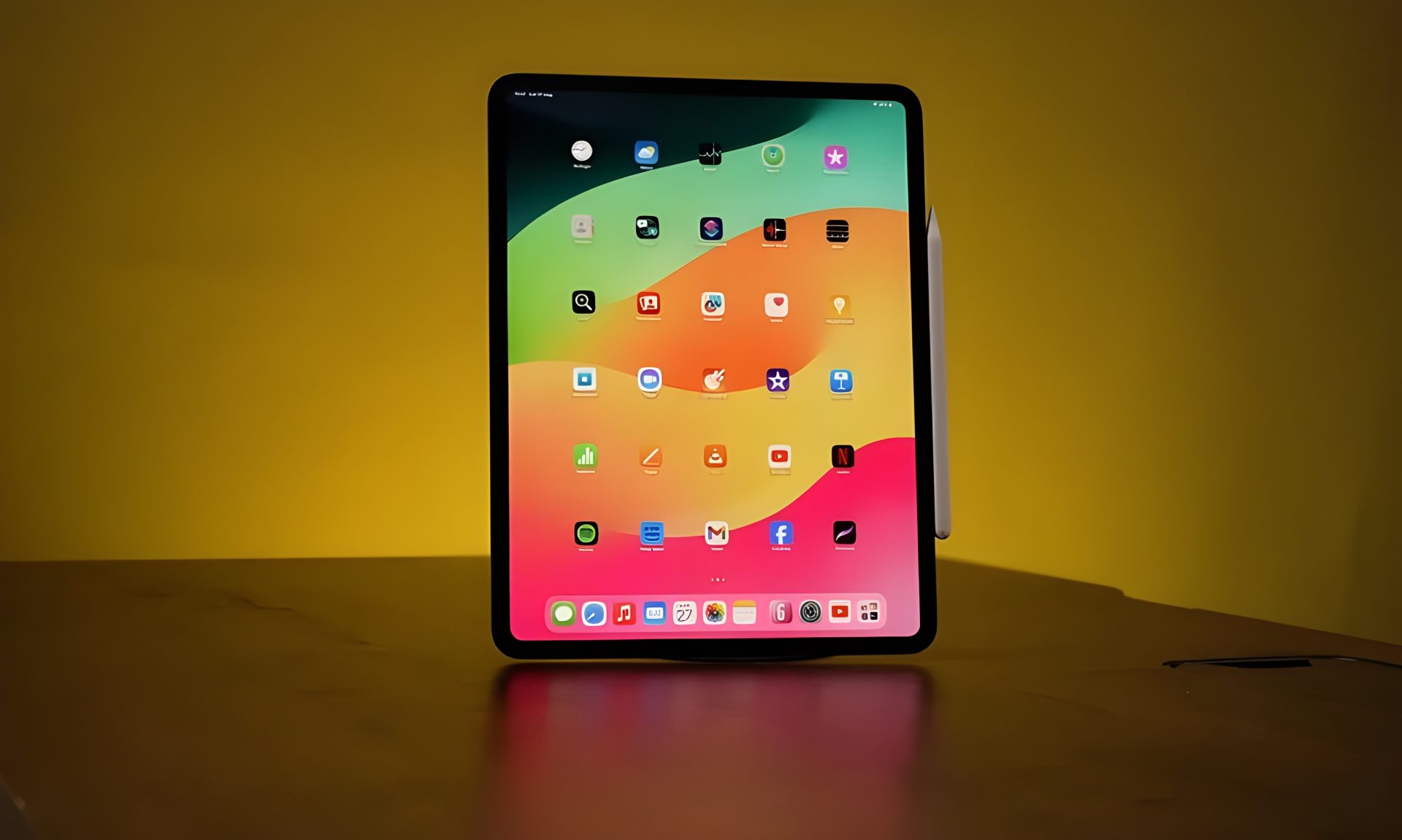
The tablet market is undergoing a subtle but meaningful shift this year, with Apple’s latest iPad Air serving as both a performance benchmark and a strategic pivot point between its base model and the high-end iPad Pro. The new M4 chip inside the iPad Air isn’t just another incremental upgrade—it represents a noticeable leap in raw power, particularly for tasks that demand heavy GPU workloads, such as video editing or gaming.
Unlike previous generations where the iPad Air felt like a diluted version of the Pro, this iteration closes some of those gaps. The M4 processor, paired with an N1 chip for Wi-Fi 7 support and a C1X cellular modem, ensures that the device keeps pace with Apple’s latest advancements in connectivity while maintaining a more accessible price point. However, tradeoffs remain: storage options are limited to 128GB as standard (with no upgrade path), and the display still tops out at 60Hz, unlike the Pro’s 120Hz ProMotion screen. For users who prioritize performance over these concessions, the iPad Air now offers a compelling alternative.
Industry observers note that the M4 chip’s performance—particularly its GPU—makes it a standout in benchmark tests when compared to competitors like Samsung’s Galaxy Tab S10 FE+. While Apple has historically positioned the iPad Pro as the only true powerhouse for professionals, the Air’s updated silicon now blurs those lines. The combination of improved multitasking in iPadOS 26 and better thermal management suggests that the device can handle sustained workloads more efficiently than its predecessor.
For creators and intermediate users, the iPad Air with Magic Keyboard becomes a viable laptop replacement, especially when paired with Apple Pencil for note-taking or sketching. The Liquid Retina display, introduced in 2024, remains sharp and vibrant, though its 60Hz refresh rate is a notable downside compared to the Pro. Meanwhile, the base iPad’s lack of support for advanced accessories like FaceID further cements the Air as the middle ground—good enough for most users but not quite there for power users.
The M4 iPad Air also reflects Apple’s operational efficiency, serving as a platform for repurposed top-tier technology before it trickles down to other devices. This approach ensures that users get access to cutting-edge performance without the premium pricing of the Pro line. Whether this strategy ultimately benefits consumers or becomes a double-edged sword—balancing cost with capability—remains an open question.