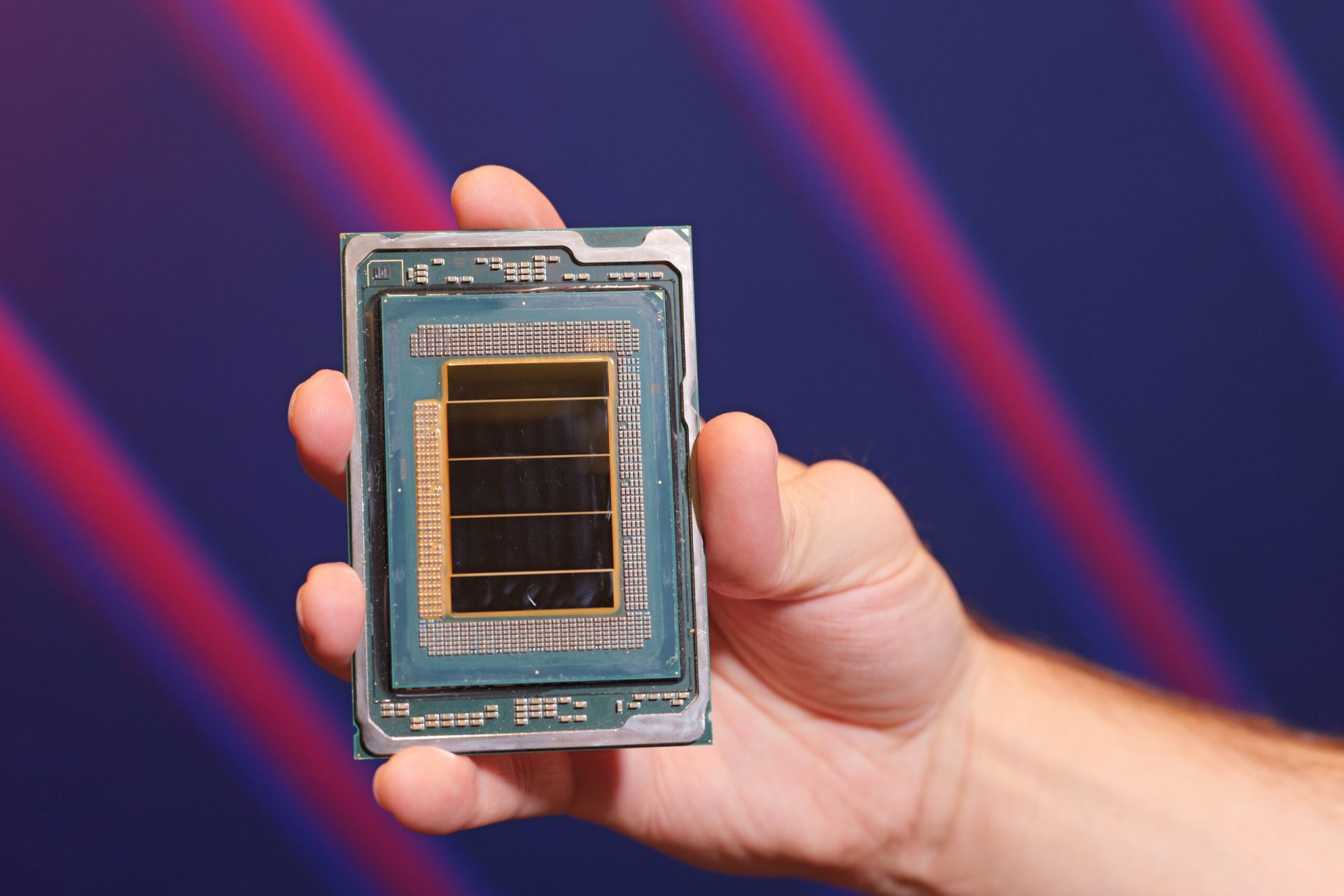
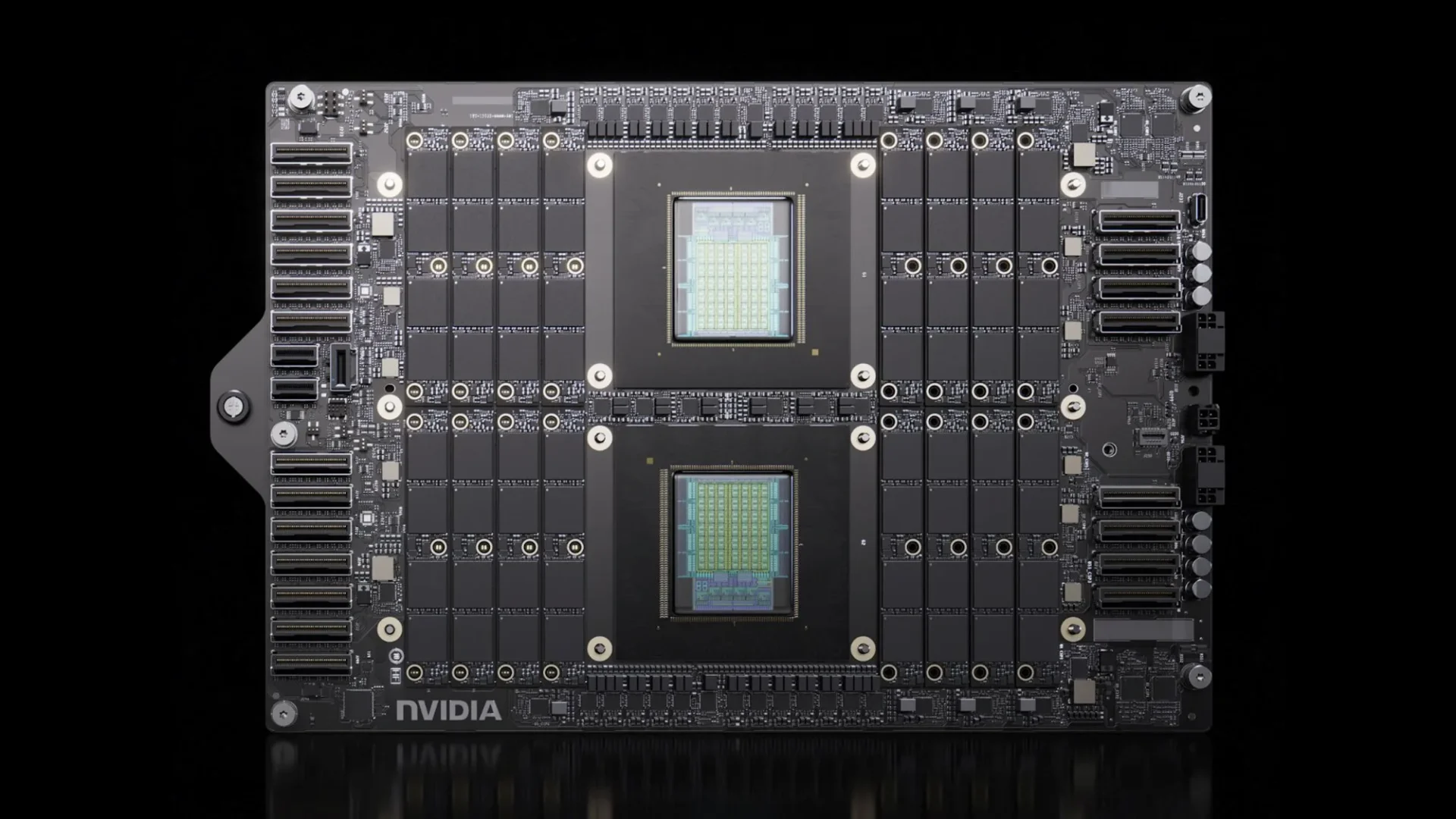
The graphics processing unit (GPU) market is undergoing a quiet revolution. While high-profile announcements often focus on raw performance or cutting-edge features, a more subtle but significant trend has emerged: real-world gains in efficiency that could reshape how GPUs are deployed across industries.
This shift is not just about clock speeds or transistor counts—it’s about doing more with less. New architectures are delivering measurable improvements in power efficiency, sometimes by double digits, without sacrificing performance. This matters because, for the first time in years, the trade-offs between power consumption and computational output are becoming less pronounced. Yet, whether these gains will translate into broader market adoption or simply reinforce existing trends remains an open question.
At the heart of this evolution is a focus on optimized memory bandwidth and improved instruction sets. For example, recent benchmarks show that certain GPUs can process complex workloads with up to 30% less power than their predecessors while maintaining or even exceeding previous performance levels. This efficiency isn’t just a technical curiosity; it’s a response to growing demands for sustainable computing solutions, particularly in data centers and mobile devices.

The implications for the market are still unfolding. On one hand, more efficient GPUs could accelerate adoption in power-constrained environments, such as edge computing or battery-powered systems. On the other, the cost of these improvements—both in terms of development and manufacturing—could limit their reach to high-end segments. The balance between innovation and accessibility will determine whether this efficiency wave becomes a tide that lifts all boats or one that leaves some behind.
Looking ahead, the focus is likely to remain on refining these gains while addressing the practical challenges of integration. As power efficiency continues to be a key differentiator, the next generation of GPUs may well redefine what we expect from graphics processing—not just in terms of raw performance, but in how that performance is achieved.