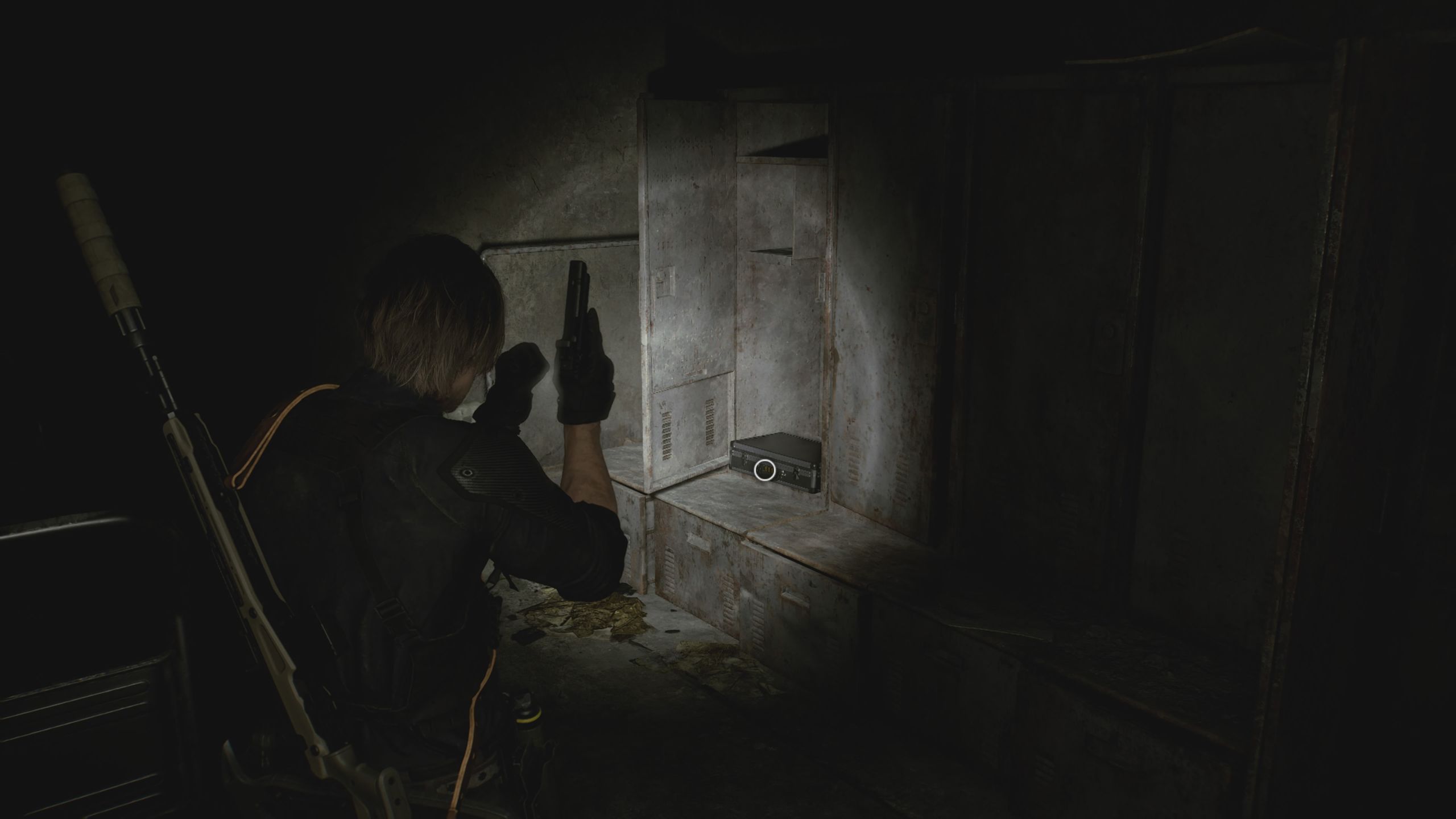
Resident Evil Requiem’s briefcase code is more than just a mechanical obstacle—it’s an integral part of the game’s storytelling. Tucked away in the S.T.A.R.S Office, this three-letter sequence grants access to the Power Shades Charm, a critical upgrade that enhances the Requiem weapon without depleting ammunition.
The charm’s practical benefit lies in its ability to boost the final shot of each cylinder, allowing players to finish off enemies with greater precision. This feature is particularly appealing for those who prioritize efficiency while managing resources. Beyond its mechanical advantage, the charm carries symbolic weight, subtly referencing Albert Wesker through its design, adding layers of depth without overshadowing the gameplay.
The puzzle itself is a testament to Requiem’s approach to environmental storytelling. Players must navigate from the S.T.A.R.S Office to Wesker’s Office, where a library card leads them to a book in the game’s library. Inside that book, a photo of Rebecca Chambers bears a note—‘Rising Rookie Rebecca, or RRR’—which serves as the code. The sequence of clues is deliberate, ensuring that players engage with the environment rather than resorting to trial and error.
This design philosophy extends beyond the briefcase code, permeating Requiem’s other hidden upgrades like antique coins and safe codes. These elements are scattered throughout the game, rewarding observation and encouraging players to slow down and immerse themselves in the world. The briefcase code, in this context, serves as a microcosm for the game’s design philosophy: challenges that feel meaningful because they’re tied to both mechanics and narrative.
For players who solve it, the reward extends beyond the immediate benefit of the charm. It also unlocks a piece of the game’s backstory, hinting at connections between characters and events without requiring prior knowledge. This dual-purpose design ensures that the briefcase remains memorable, whether for its practical advantages or its narrative significance.
Requiem is filled with similar hidden upgrades—antique coins, safe codes, and other environmental clues—that follow the same pattern of rewarding observation. These elements are scattered throughout the game, inviting players to slow down and engage more deeply with the world rather than rushing toward completion. The briefcase code, in this context, serves as a microcosm for the game’s design philosophy: challenges that feel meaningful because they’re tied to both mechanics and story.
The result is a puzzle that lingers in the player’s mind long after its solution—one that enhances gameplay while also enriching the experience of uncovering the game’s secrets. It stands as a testament to Requiem’s ability to blend practicality with narrative depth, creating an experience that rewards both efficiency and exploration.