Huawei’s semiconductor strategy is being rewritten under the constraints imposed by US sanctions, which effectively locked out the company from critical extreme ultraviolet (EUV) lithography tools. The absence of these machines—essential for manufacturing chips at 5nm and below—has forced Huawei to pivot toward a more pragmatic approach: optimizing performance in older but still advanced nodes like 7nm and 12/14nm.
This shift is not just about maintaining production; it’s about redefining what ‘leading-edge’ means in an era where access to EUV tools is no longer guaranteed. Huawei’s focus on efficiency-driven nodes, particularly for AI and mobile computing, reflects a broader industry trend where power consumption becomes the differentiator rather than raw performance. However, the trade-offs are significant. Without EUV, Huawei cannot match the cutting-edge capabilities of competitors like TSMC or Samsung, which continue to push the boundaries of semiconductor miniaturization.
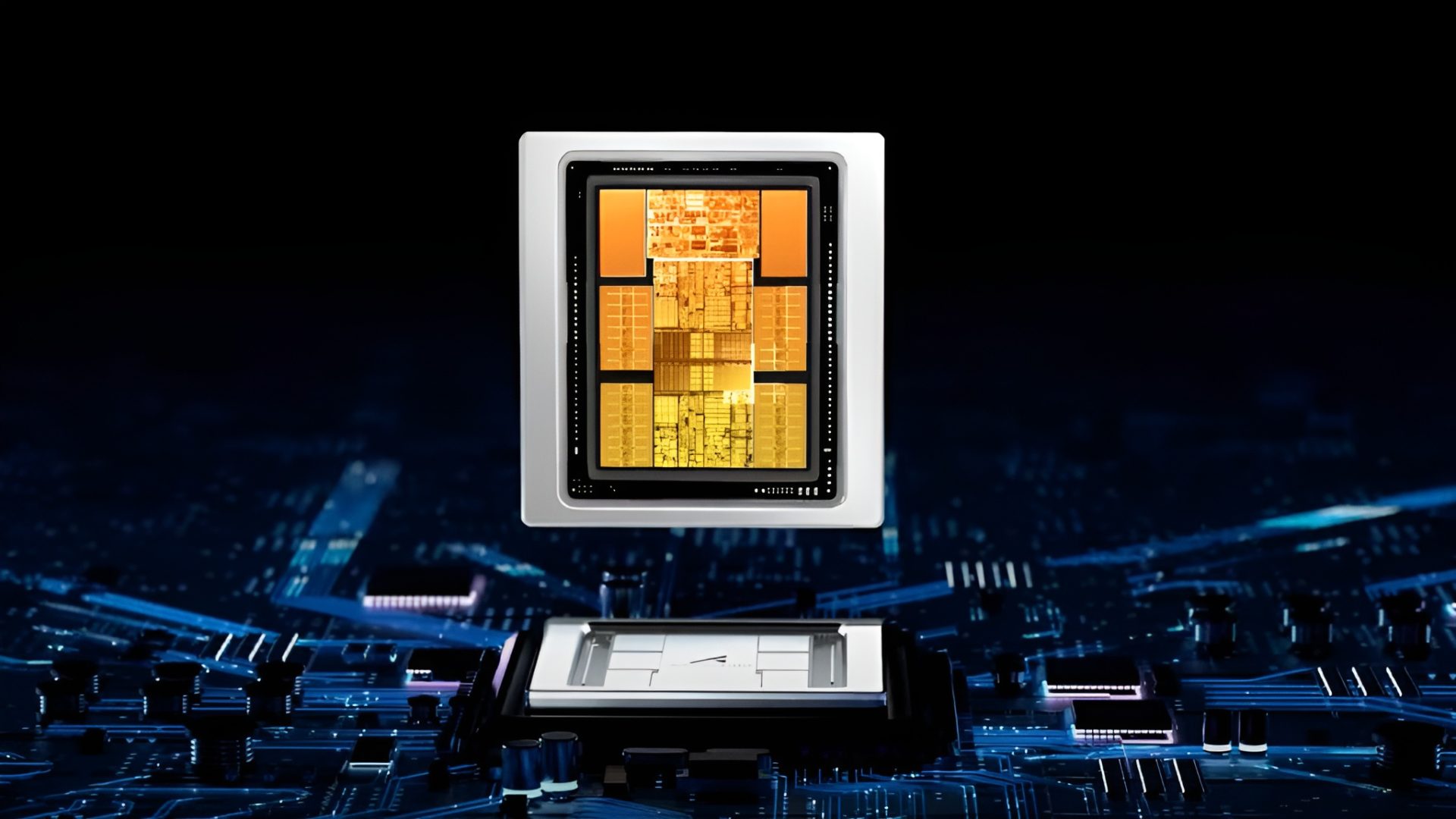
- Huawei’s current roadmap relies on 7nm and 12/14nm processes, optimized for performance per watt rather than raw speed.
- The company is investing heavily in alternative materials and manufacturing techniques to compensate for the lack of EUV tools.
- Supply chain adjustments are underway, but ensuring yield and reliability remains a challenge.
The implications for the broader semiconductor ecosystem are profound. Huawei’s strategy has accelerated a divide between companies that can secure EUV tools and those that cannot, potentially leading to a two-tiered market where access to advanced lithography becomes the ultimate competitive advantage. For PC builders and hardware enthusiasts, this means a potential surplus of efficient mid-range chips but fewer options for ultra-high-performance components in the near term.
Yet, Huawei is not alone in facing these challenges. The sanctions have prompted other semiconductor players, particularly those with strong regional ties to China, to diversify their supply chains and reduce dependence on EUV-heavy processes. TSMC and Samsung, for instance, are doubling down on their EUV investments, further widening the gap between industry leaders and those playing catch-up.
The question now is whether Huawei can sustain its momentum without EUV. The company has a history of resilience, but the technical and logistical barriers to developing EUV-free manufacturing processes are formidable. For now, the shift represents more than just an adaptation—it’s a fundamental reimagining of how chips are designed, manufactured, and deployed in a post-sanction world.