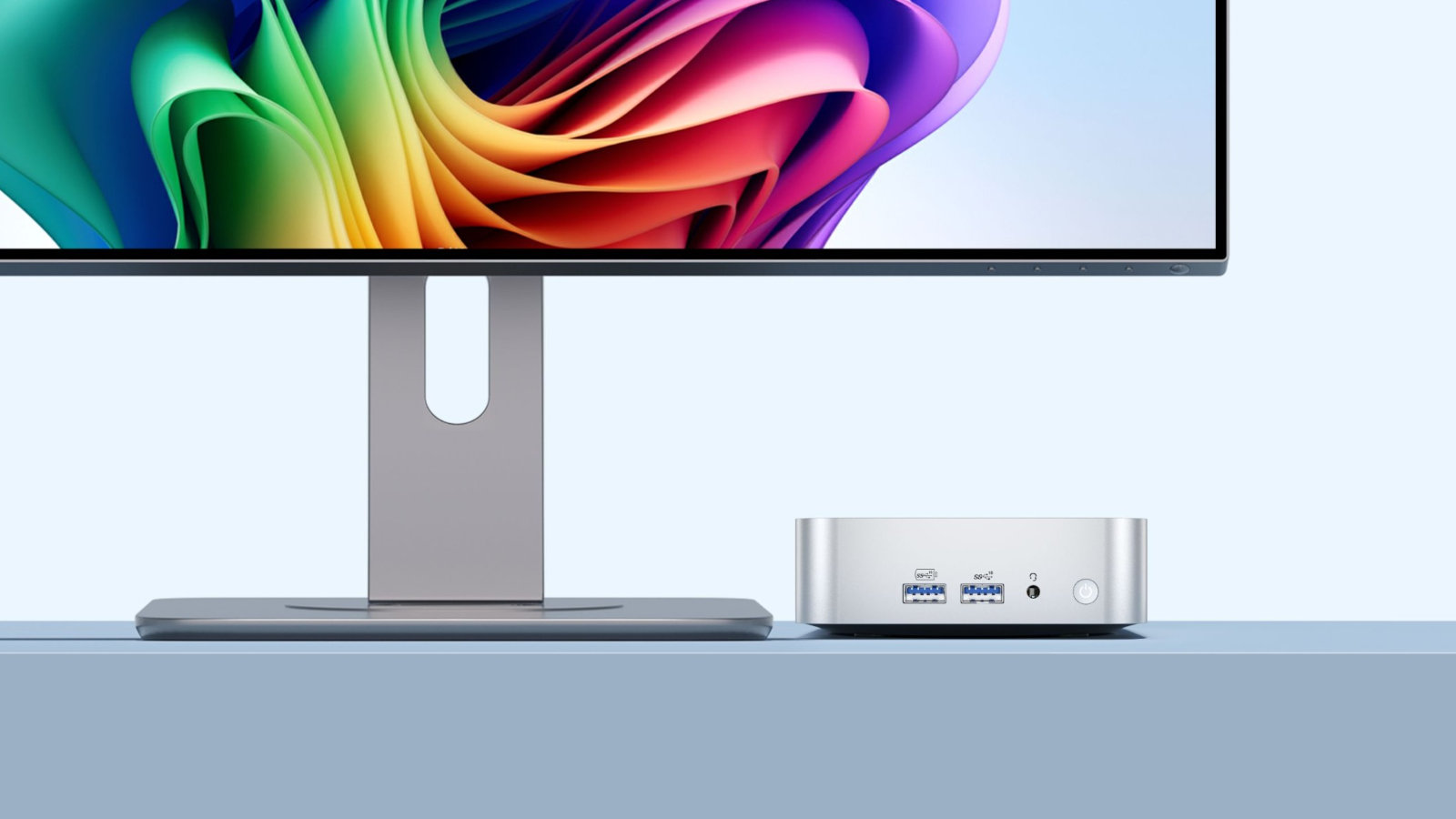
Samsung has introduced the PM9E1, an NVMe SSD that redefines high-capacity storage for AI-driven systems. Unlike conventional drives, the PM9E1 combines 4TB of capacity with PCIe Gen 5 speeds, making it the first M.2 22x42 SSD of its kind to pair with NVIDIA’s DGX Spark desktop AI supercomputer. The drive’s architecture isn’t just about raw numbers—it’s engineered to handle the hybrid demands of AI workloads, where both massive data transfers and ultra-low latency are critical.
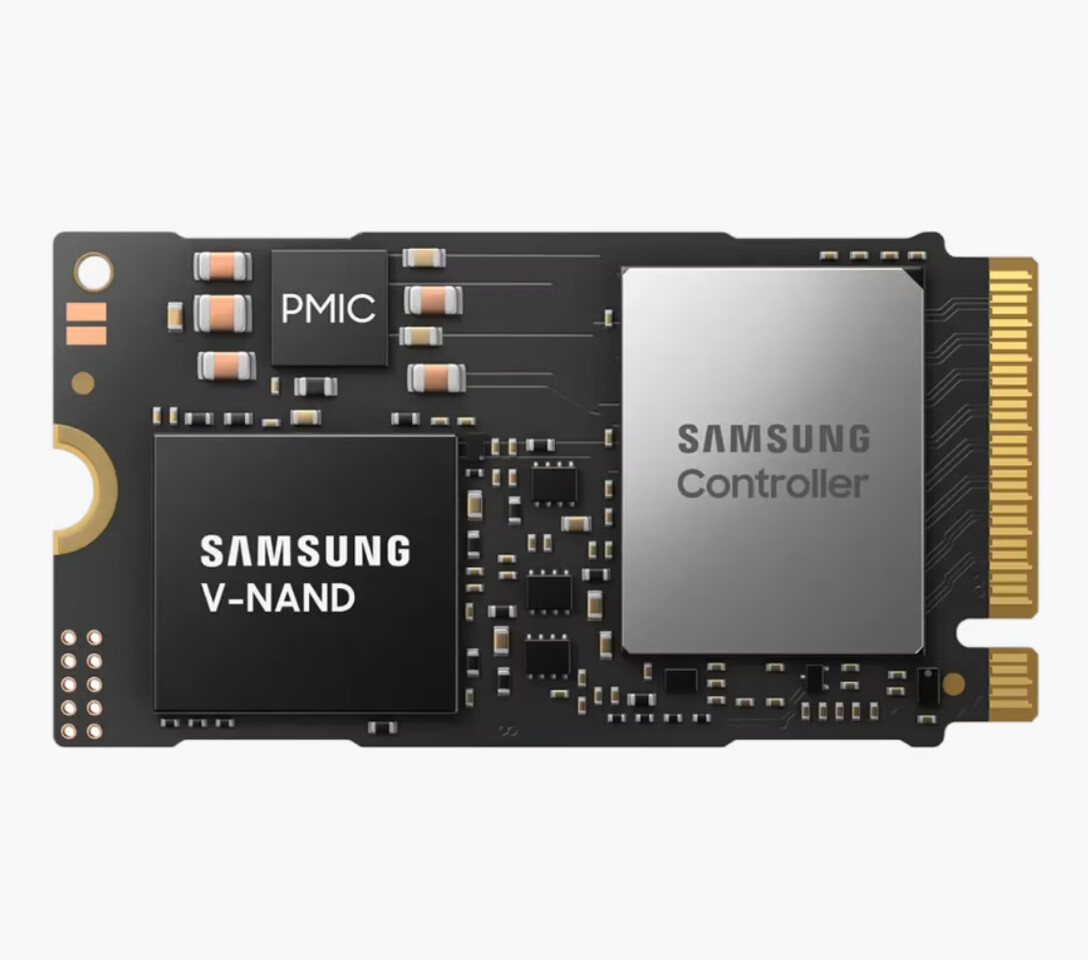
The PM9E1 achieves this through a dual-sided PCB design, integrating Samsung’s 8th-generation V-NAND and dedicated DRAM. This configuration eliminates bottlenecks, ensuring consistent performance whether the system is processing sequential datasets or executing random I/O operations—key for AI training and inference tasks. Benchmarks show sequential read/write speeds of up to 14,500 MB/s and 12,600 MB/s, respectively, while random read/write operations hit 2,000K IOPS and 2,640K IOPS, outperforming predecessors by up to 45% in power efficiency.
A Controller Built for AI
At the heart of the PM9E1 is Samsung’s in-house Presto controller, fabricated on 5 nm process technology. This isn’t just a faster chip—it’s a firmware-optimized solution tailored for NVIDIA’s DGX Spark OS, CUDA acceleration, and AI-specific workloads. The controller’s compact 5 nm footprint allows Samsung to pack high-performance DRAM directly onto the drive, reducing latency and ensuring data is always accessible at near-peak speeds. This is particularly valuable in AI environments, where even microsecond delays in data retrieval can impact training times.
Security and Efficiency for Next-Gen Systems
Security in AI storage isn’t an afterthought. The PM9E1 supports SPDM v1.2, a protocol that enables certificate-based authentication, firmware attestation, and encrypted data channels—critical for protecting sensitive AI models and datasets. Beyond security, the drive’s power efficiency is a game-changer for compact AI workstations. By minimizing thermal output, it allows system designers to optimize cooling and layout, a necessity when pairing high-performance GPUs with storage in limited desktop spaces.
Key Specifications
- Form Factor: M.2 22x42
- Interface: PCIe Gen 5 x4
- NAND: 8th-gen V-NAND
- DRAM: Integrated DDR6
- Capacity: 4TB
- Sequential Read: Up to 14,500 MB/s
- Sequential Write: Up to 12,600 MB/s
- Random Read: Up to 2,000K IOPS
- Random Write: Up to 2,640K IOPS
- Controller: Presto (5 nm Samsung Foundry)
- Security: SPDM v1.2, firmware attestation
- Power Efficiency: 45% improvement over prior gen
The PM9E1’s specs aren’t just impressive on paper—they’re a response to the evolving needs of AI development. Traditional SSDs struggle to keep pace with the data hunger of modern AI models, but Samsung’s approach—combining high capacity, low latency, and hardware-software co-optimization—positions the PM9E1 as a cornerstone for desktop supercomputing. Its integration with NVIDIA’s DGX Spark underscores this, as the drive’s performance aligns directly with the system’s requirements for real-time data processing and large-scale workloads.
For professionals working with AI, creative workloads, or high-performance computing, the PM9E1 offers a compelling balance of speed, capacity, and efficiency. While it’s not yet available for general purchase, its qualification for NVIDIA’s DGX Spark hints at broader adoption in AI-focused workstations. Samsung’s focus on forward-compatible design suggests this drive could remain relevant long after its launch, making it a future-proof choice for those pushing the boundaries of on-device AI.