Samsung’s storage division is accelerating full-scale production of PCIe 6.0 SSDs, though the rollout will prioritize enterprise and AI-driven infrastructure before any consumer-friendly models emerge. Mass production is now targeted for the second half of 2026, a timeline that aligns with the company’s earlier announcements but reflects the shifting priorities of a market increasingly dominated by artificial intelligence workloads.
The first wave of PCIe 6.0 drives will be enterprise-grade, with the PM1763—a 256TB beast—already showcased at last year’s Future of Memory and Storage summit. A 512TB variant is slated for 2027, but neither is designed for the average gaming rig or home lab. Samsung’s focus here is clear: AI and datacenters are the primary drivers, and the cost of bleeding-edge storage won’t make it appealing for most consumers anytime soon.
For now, PCIe 4.0 and 5.0 drives remain the practical choice for most users. The performance gains between generations—especially in random read/write operations—don’t justify the premium for early adopters. Even PCIe 5.0 SSDs, which are finally becoming more accessible, offer diminishing returns for gaming and general use compared to their Gen 4 predecessors.
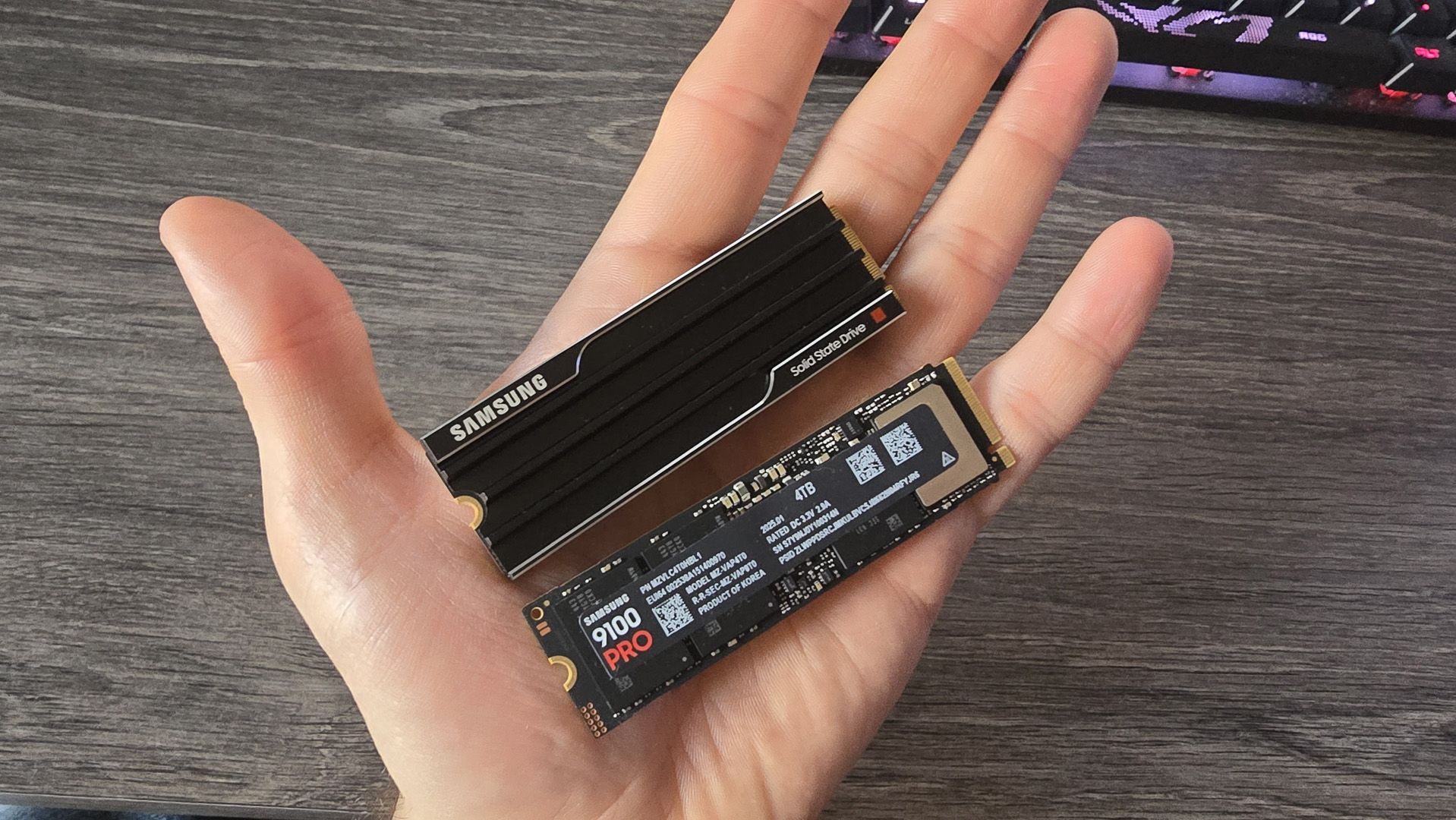
Key specs: PCIe 6.0 enterprise focus
- Interface: PCIe 6.0 (double the bandwidth of Gen 5, though real-world gains depend on controller efficiency)
- Capacity: 256TB (PM1763), with a 512TB model planned for 2027
- Target market: AI datacenters, enterprise storage, high-performance computing
- Consumer availability: Unconfirmed; likely delayed until demand stabilizes or prices drop
Samsung isn’t alone in this shift. Micron launched its own PCIe 6.0 SSD—also AI-focused—last summer, reinforcing the trend. The message is clear: if you’re not running a datacenter or training large language models, you might be waiting a while for Gen 6 to reach your system.
Pricing for these drives hasn’t been disclosed, but given the current state of the market—where even PCIe 5.0 SSDs can cost a premium—Samsung’s Gen 6 offerings will likely start at enterprise-grade prices. For most users, sticking with proven Gen 4 or 5 drives remains the smarter financial choice, even as the industry races ahead.
Availability for consumer models, if they ever arrive, remains unconfirmed. Samsung’s production focus is squarely on AI and datacenter needs, leaving home users to wait—or settle for what’s already on shelves.