The RTX 5090’s 16-pin power connector has become a cautionary tale in high-end PC building. Despite manufacturers and users taking precautions—like capping power draw at 500W—a recent failure on a GIGABYTE RTX 5090 AORUS Master ICE reveals just how fragile the setup remains. The top row of the 12V-2x6 connector burned out completely, leaving the bottom row untouched, a sign of uneven load distribution or poor contact.
This wasn’t an isolated incident. The user had already limited power consumption to 500W—well below the GPU’s typical 600W peak—yet the connector still failed after seven months of use. The culprit? A standard three-8-pin-to-12V-2x6 adapter, a common but increasingly unreliable solution for high-wattage cards.
The problem extends beyond NVIDIA’s lineup. The RTX 5080, RTX 5070 Ti, and even AMD’s RX 9070 XT have seen similar connector failures, despite their lower power requirements. For users, the takeaway is clear: even meticulous precautions don’t guarantee safety. The 16-pin connector, a relic of past generations, now demands extreme vigilance—or a willingness to invest in third-party monitoring tools like the Wireview II Pro.
Why This Keeps Happening
The root cause lies in the connector’s design. Unlike traditional 6-pin or 8-pin connectors, the 12V-2x6 (16-pin) setup struggles under sustained high loads, especially when adapters or improper cable routing are involved. Manufacturers have introduced safeguards—like MSI’s new GPU Safeguard+ feature—but hardware limitations remain. Even with a 500W cap, the connector’s pins can overheat if contact isn’t perfect, leading to localized burns.
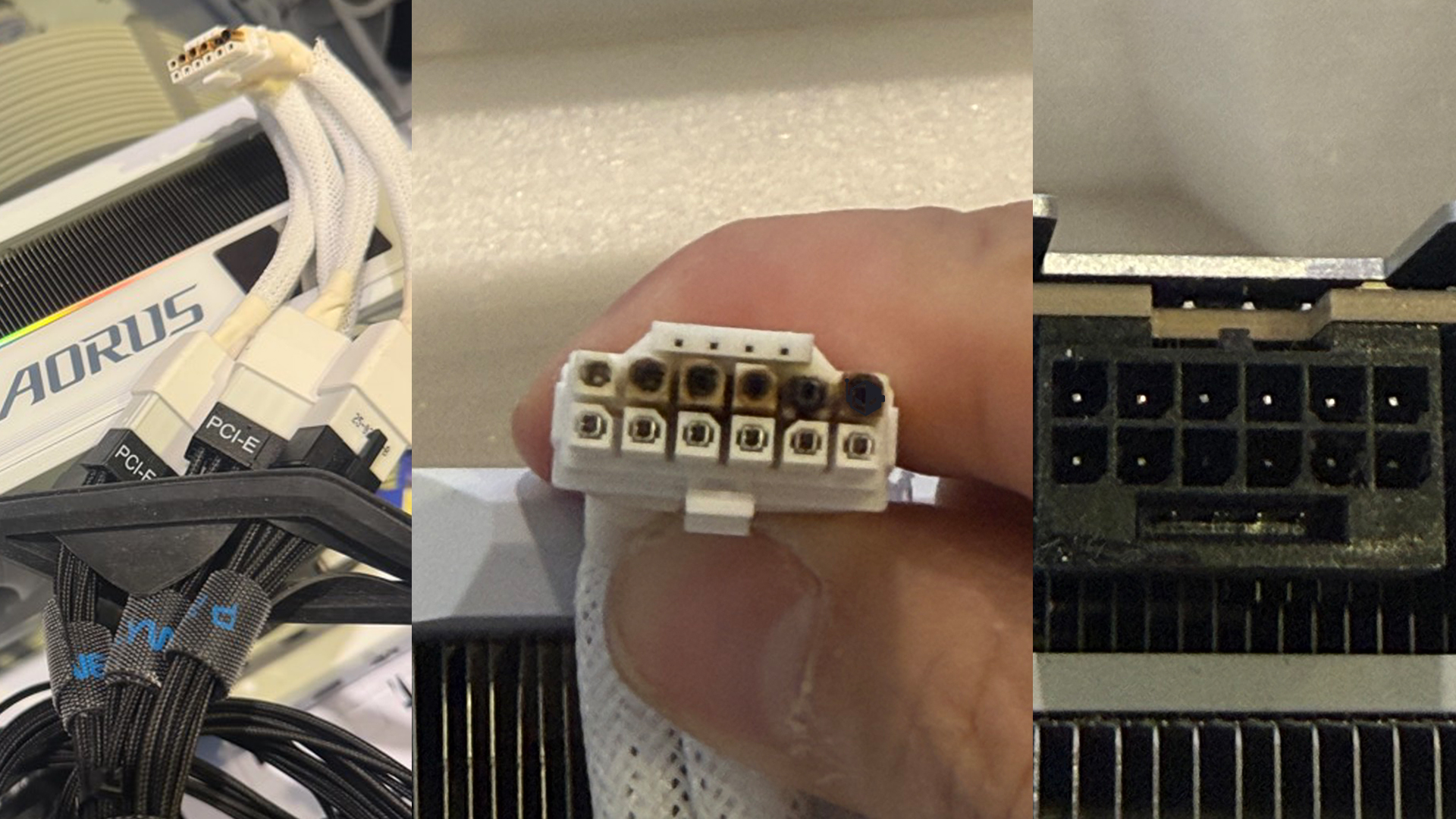
For now, users are left with a mix of frustration and stopgap measures
- Use the official 12V-2x6 cable that comes with your PSU—avoid adapters if possible.
- Ensure the connector is fully seated and free of bends within 35mm of the connection.
- Monitor power draw with tools like MSI Afterburner or Wireview II Pro to catch anomalies early.
- Upgrade to an ATX 3.1-compliant PSU with dedicated 12V-2x6 connectors.
Yet none of these solutions are foolproof. The RTX 5090’s power demands push even well-built systems to their limits, and connector failures remain a gamble. Until NVIDIA or manufacturers rethink the design—or users accept the cost of specialized hardware—the 16-pin connector will stay a point of contention.
Who’s Most at Risk?
The issue disproportionately affects high-end GPUs and systems with marginal power delivery. Users running
- RTX 5090, RTX 5080, or RTX 5070 Ti cards with high TDP settings.
- Non-ATX 3.1 PSUs or those lacking proper 12V-2x6 connectors.
- Adapters or subpar cable routing.
are the most vulnerable. The RX 9070 XT, while less powerful, has also seen failures, suggesting the problem isn’t exclusive to NVIDIA’s architecture.
For now, the message is simple: if you’re building a high-end system, treat the 16-pin connector like a ticking time bomb. And if you’re already dealing with one, hope it lasts longer than seven months.