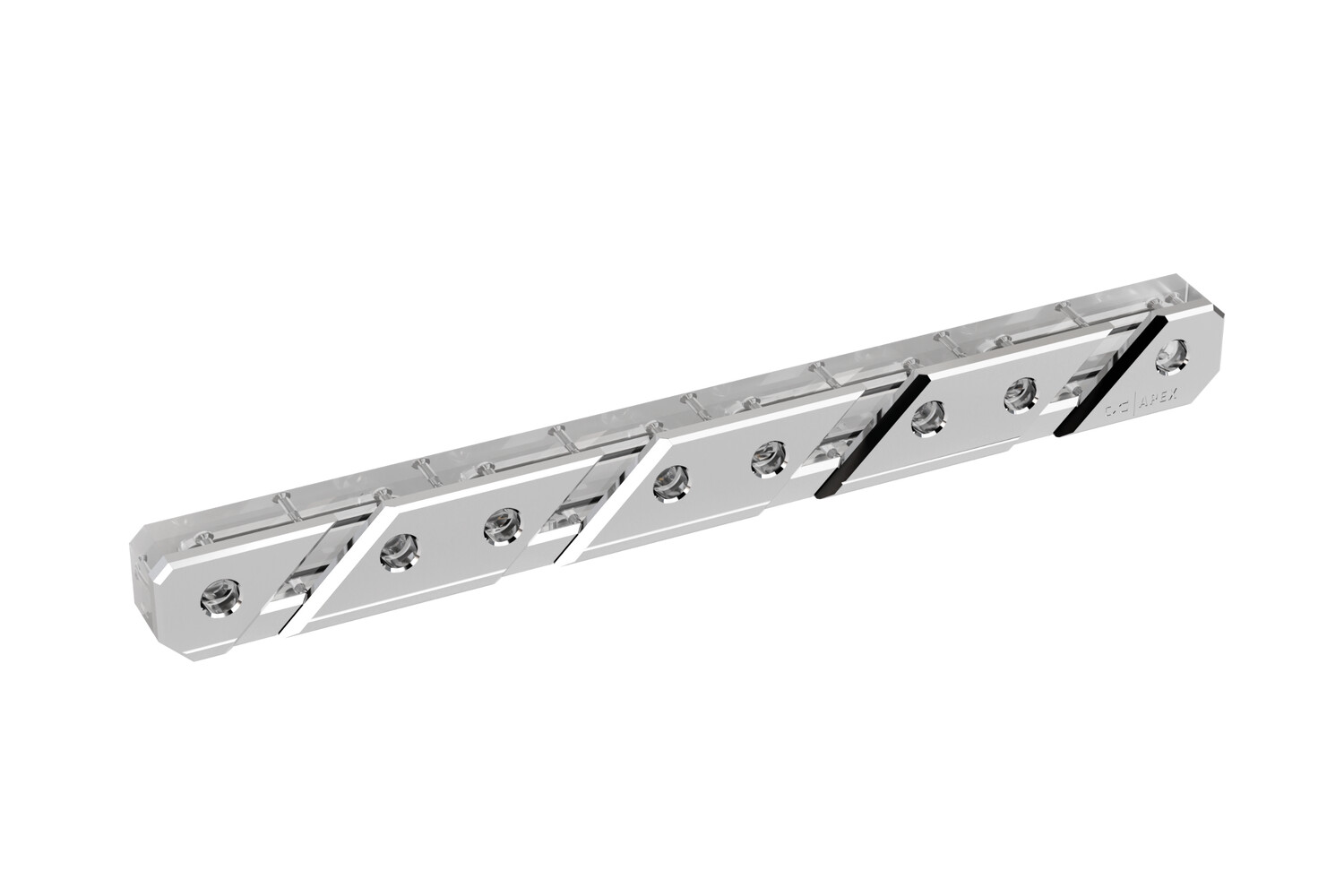
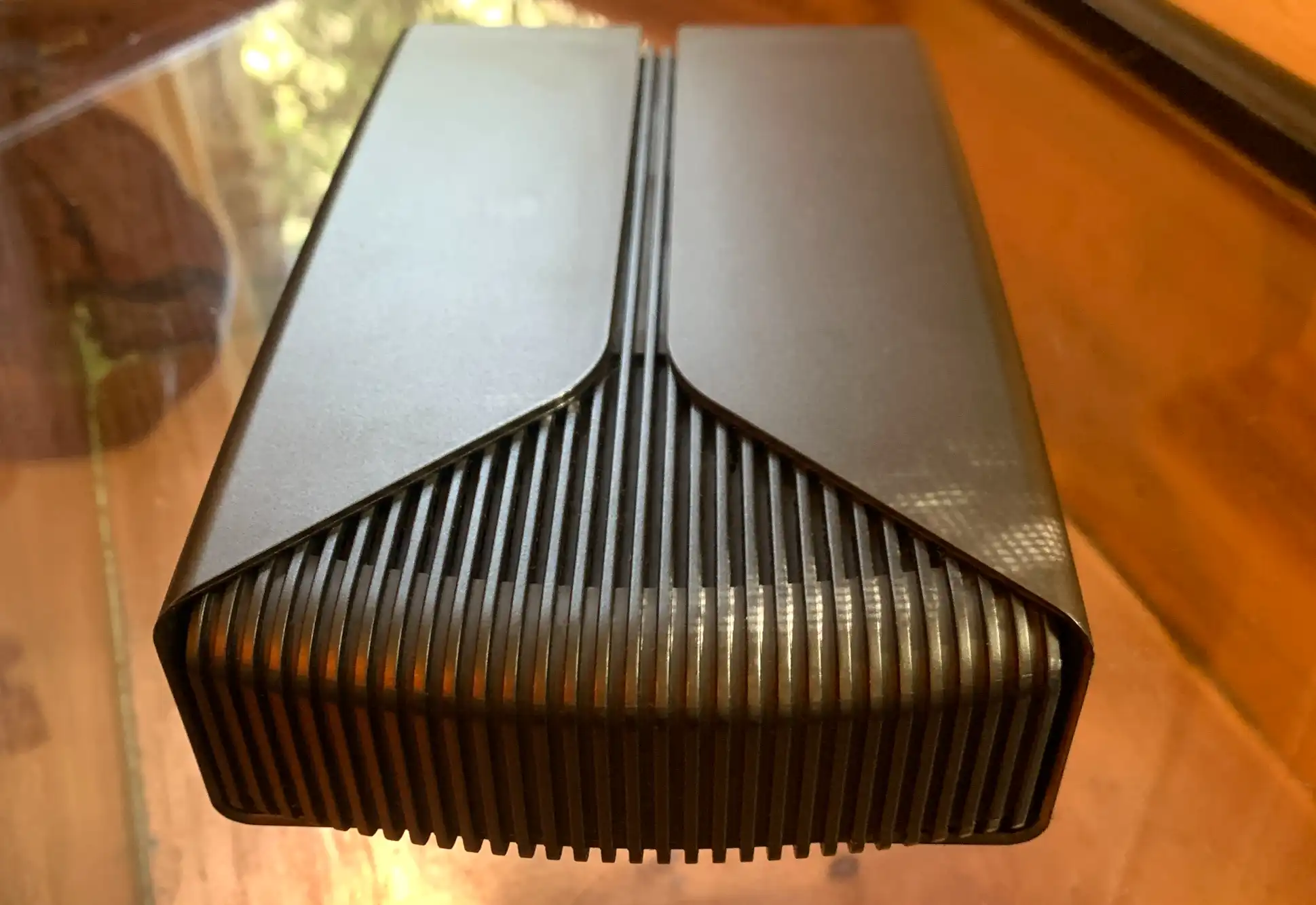
A user attempting to force a 1000W power draw on an ROG Astral RTX 5090 through a shunt mod and custom BIOS encountered a fiery consequence: the Thermal Grizzly Wireview PRO connector on their GPU PRO monitoring device melted after repeatedly ignoring temperature warnings. While the GPU itself and its PSU connectors emerged unscathed, the incident serves as a stark reminder of the dangers of extreme overclocking—particularly when hardware is repurposed for power levels far exceeding its original specifications.
The user had flashed a BIOS originally intended for the MSI RTX 5090 Lightning Z, a card designed to handle dual 12V-2x6 connectors and sustained 1000W loads. However, the ROG Astral RTX 5090 lacks this high-power architecture, making such modifications inherently risky. Despite the Wireview PRO device registering excessive heat and triggering alerts, the user reportedly dismissed them, leading to the connector’s failure. The damage was localized to the external Wireview interface; the GPU’s own power connectors remained intact.
Why This Matters
The incident highlights two critical flaws in high-power GPU modifications

- Mismatched BIOS and Hardware: The 1000W BIOS was tailored for the Lightning Z’s dual-connector design, not the Astral’s single high-wattage path. Even if the GPU’s VRMs could theoretically handle the load, the connectors and PCB traces were not built for it.
- Ignoring Safeguards: The Wireview PRO’s temperature warnings were clear indicators of impending failure. Yet, proceeding past these thresholds turned a software tweak into a hardware crisis.
This isn’t the first time such modifications have backfired. Earlier reports documented GPUs cracking under extreme voltage or connectors burning out when pushed beyond factory limits. The Astral RTX 5090, while capable of high performance, isn’t engineered for 1000W operation—its reference design maxes out around 450W under load, with the ROG variant slightly higher but still far below the modded target.
Key Takeaways for Enthusiasts
For those tempted to experiment with shunt mods or high-power BIOS flashes
- Verify Hardware Compatibility: Not all RTX 5090 models support 1000W. The Lightning Z’s dual-connector layout is a rare exception; most variants lack the thermal and electrical infrastructure.
- Respect Monitoring Tools: Devices like the Wireview PRO aren’t just for aesthetics—they’re early-warning systems. Dismissing alerts accelerates component degradation.
- Test Gradually: Even if a BIOS flash succeeds, incremental power testing is essential. Sudden jumps to 1000W can overwhelm unmodified hardware.
The user’s experience is a cautionary tale: overclocking pushes boundaries, but those boundaries exist for a reason. Without careful validation and adherence to hardware limits, even premium GPUs like the ROG Astral RTX 5090 can become liability risks.