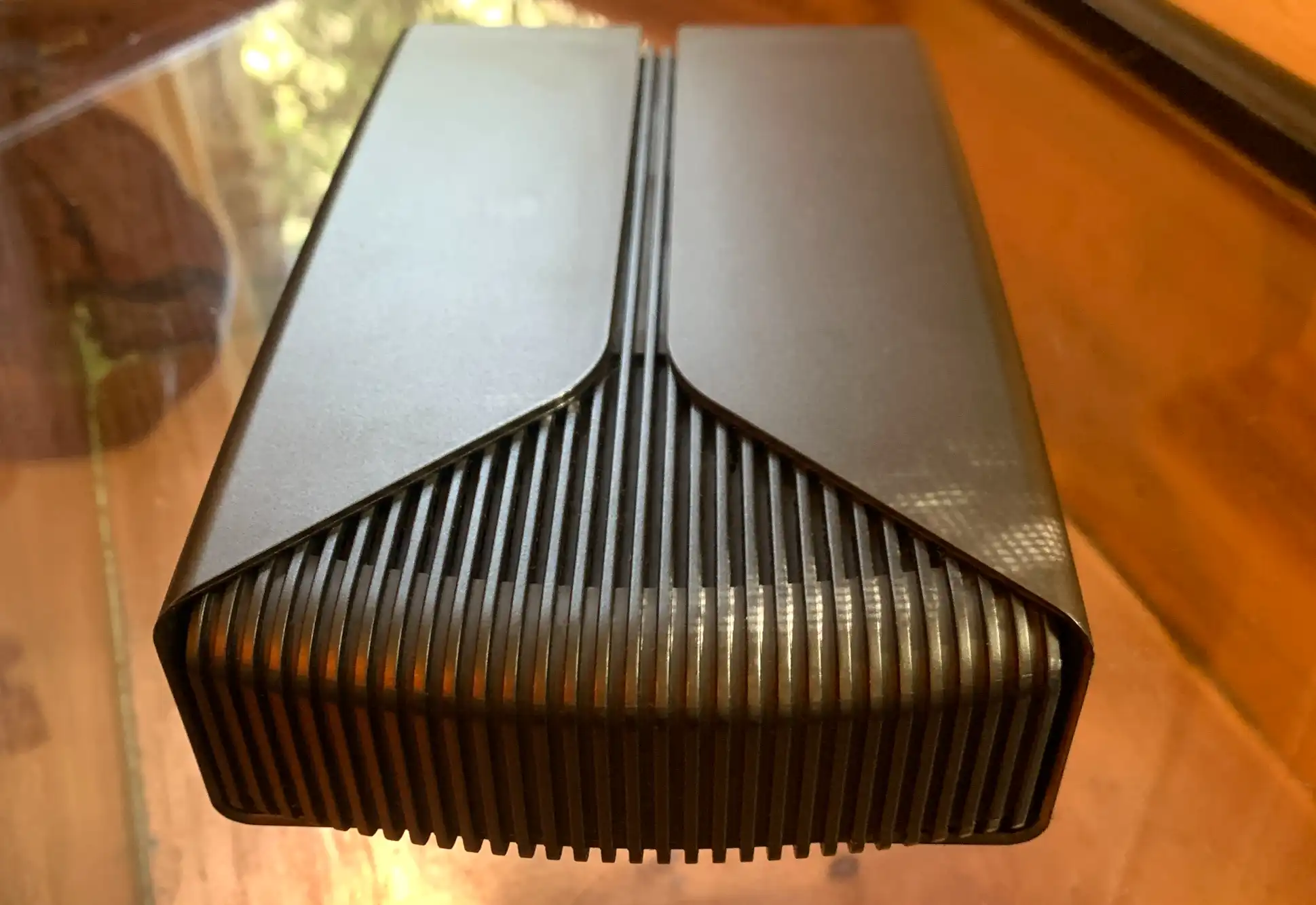
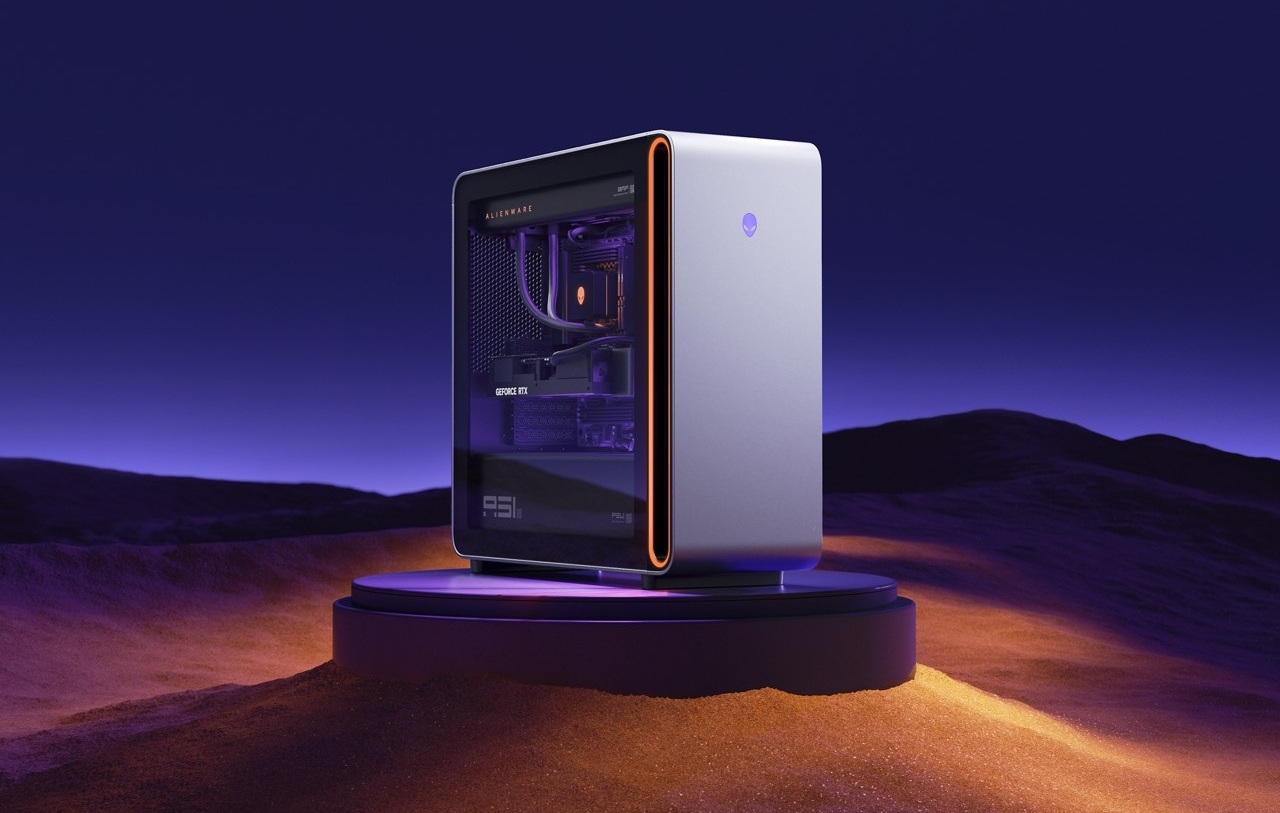
Valve’s Steam Machine v2 is a gamble—a gaming console built on PC hardware, running SteamOS, and priced between $800 and $1,200. On paper, it’s a compelling idea: a dedicated gaming device that sidesteps the complexity of building a custom PC while offering the flexibility of Steam’s ecosystem. But in practice, it’s faced the same hurdle as its predecessor: a lack of demand that makes mass adoption unlikely without a major shift in how people access gaming hardware.
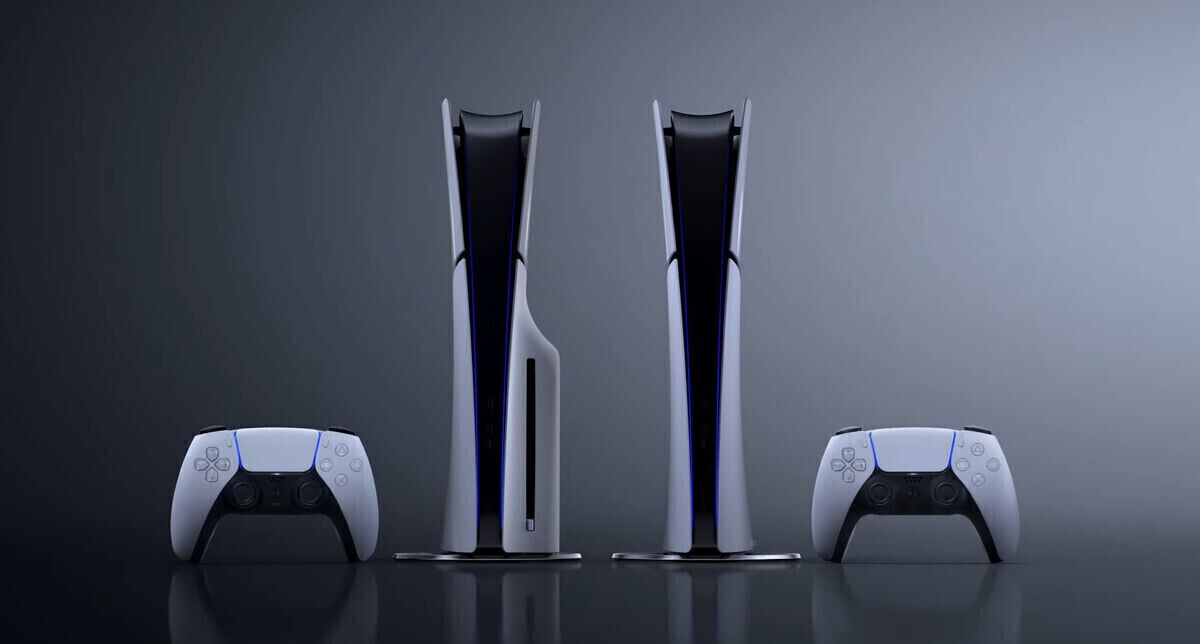
What if, instead of buying, consumers could rent one? The idea isn’t far-fetched. Sony recently partnered with UK tech retailer Raylo to offer PlayStation 5 rentals, with terms mirroring car leases—continuous payments, 12-, 24-, or 36-month plans, or even buyout options. The concept is simple: lower the barrier to entry by spreading the cost over time, and let users experience the hardware before committing to ownership.
A similar approach for the Steam Machine could address two critical problems. First, the device’s pricing sits in a sweet spot that’s out of reach for many casual gamers but underwhelming for enthusiasts who already own high-end PCs. Renting could make it a viable option for those hesitant to spend $800–$1,200 upfront. Second, it could generate the buzz Valve needs. Consoles thrive on visibility—seeing them in living rooms, friends playing them, word-of-mouth recommendations. If Steam Machines were leased out en masse, they might become a household staple, much like consoles have for decades.
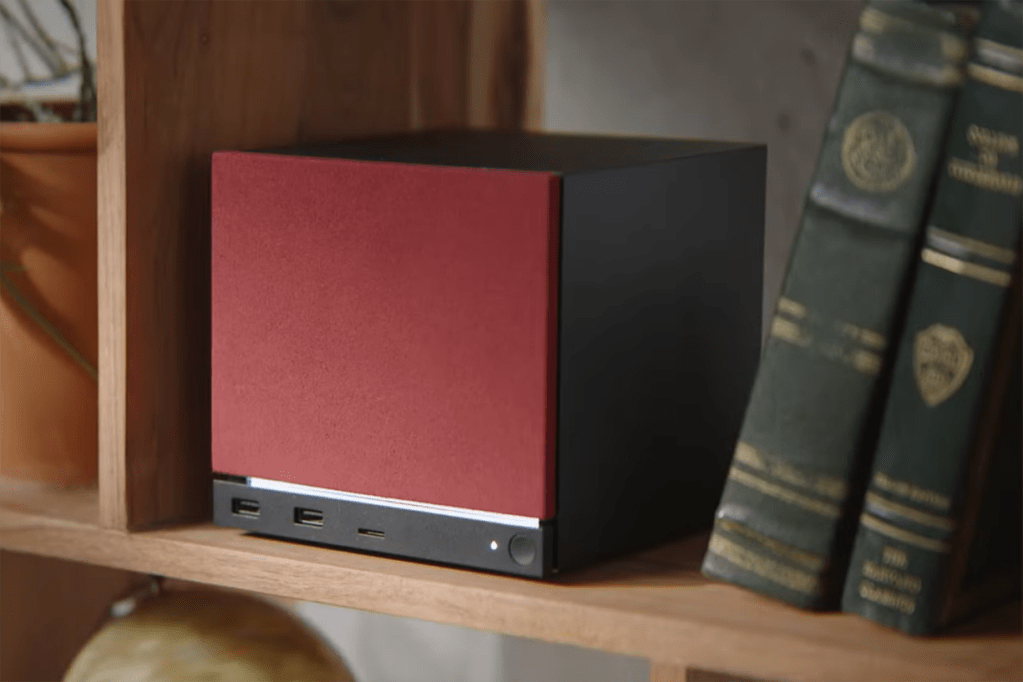
But would it work? The Steam Machine isn’t just a console—it’s a PC. That means it requires an operating system (SteamOS), compatibility with Steam’s library, and potentially cloud syncing for saves and progress. Unlike a traditional console, where data is often locked into the device, Steam’s ecosystem is designed for portability. Games can be redownloaded, achievements synced, and progress backed up to the cloud. This reduces the personal data risk that might otherwise deter renters.
There’s also the practicality of hardware longevity. Consoles depreciate quickly, but a $800–$1,200 PC-like device could last years with upgrades. If Valve structured leases to include maintenance or even hardware refreshes, it might appeal to cost-conscious gamers. The model would need to be financially viable for retailers or third-party leasing services, but the potential payoff—broadening Steam’s user base and solidifying its position as the go-to gaming platform—could be worth the experiment.
Valve isn’t alone in exploring rental models. Services like Xbox Game Pass and PlayStation Plus have already proven that gamers are willing to pay for access rather than ownership. Extending that logic to hardware could be a natural next step. For now, the Steam Machine remains a niche curiosity, but with the right financial model, it might finally find its audience.
The bigger question is whether gamers would trust renting a gaming console at all. For decades, consoles have been seen as disposable—something to own outright, even if only for a few years. But as economic pressures mount, attitudes may shift. If the Steam Machine can prove itself as both a practical gaming tool and a flexible rental option, it could redefine how people experience gaming—one lease at a time.