Razer has introduced a browser-based version of its Synapse software, but the rollout is cautious—only three keyboards are supported at launch. The new Synapse Web app targets Chromium-based browsers and marks a shift away from traditional desktop software, but its narrow compatibility and beta-stage quirks suggest this is more of a proof-of-concept than a polished replacement.
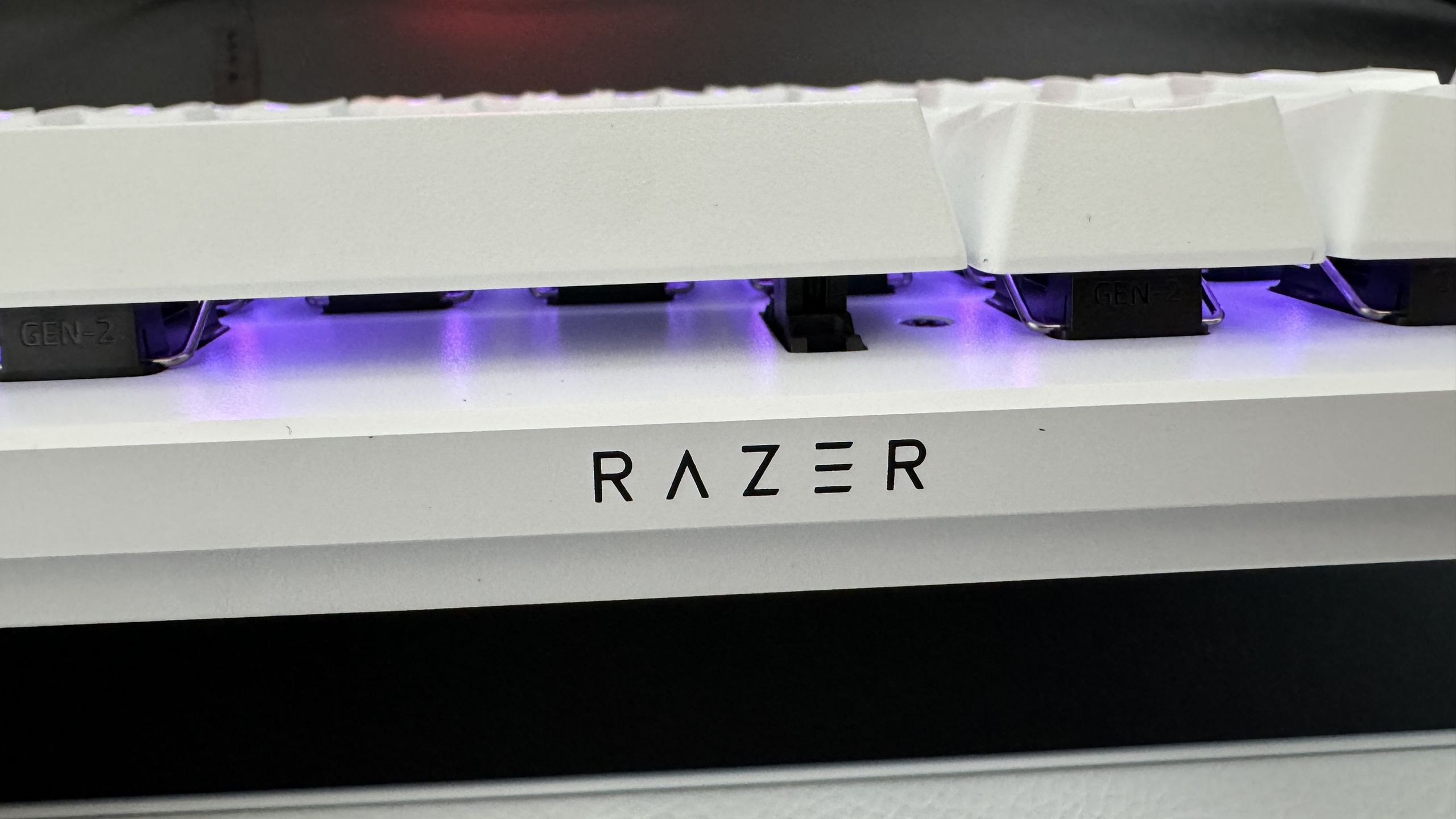
The supported devices are restricted to the Razer Huntsman V3 Pro, Huntsman V3 Pro Mini, and Huntsman V3 Pro 8 kHz. Early testing reveals inconsistencies: some users report devices failing to register entirely, even when the local Synapse app functions normally. This instability could stem from underlying WebHID protocol issues or browser-specific quirks, though Corsair’s web hub—also WebHID-based—works without similar problems.
Why This Matters
The core appeal of Synapse Web lies in its potential to reduce desktop clutter. Traditional Synapse consumes around 270 MB in the background and 600 MB when active, a modest but unnecessary drain for systems with 32 GB of RAM or more. A browser-based alternative could eliminate this overhead entirely, especially if background memory usage drops further. However, the current beta’s performance remains untested in real-world scenarios, leaving users to wonder whether the trade-off—reliability for convenience—is worth it.
Linux and Beyond
For Linux users, Synapse Web could be a game-changer, as it bypasses the need for proprietary drivers. However, enabling WebHID access in browsers like Chrome on Ubuntu requires manual configuration—a barrier that may deter casual users. The absence of a native Linux Synapse app has long frustrated Razer’s Linux audience, and while Synapse Web offers a workaround, its limited device support and beta status make it far from a complete solution.
Reliability Risks
Browser-based software introduces new vulnerabilities. If Synapse Web encounters server downtime or connectivity issues, users lose access to device management entirely. This could be problematic for competitive gamers who rely on precise keybinds or macros. The ideal scenario would be a hybrid approach: keeping local Synapse as a fallback while using Synapse Web when available. For now, however, the beta’s fragility makes this a theoretical benefit rather than a practical one.
Looking Ahead
Despite its flaws, Synapse Web signals a broader industry trend toward cloud-based peripheral management. If Razer expands compatibility and stabilizes the platform, it could set a new standard for device control—one that prioritizes accessibility over local software bloat. Until then, users should treat Synapse Web as an experimental tool rather than a replacement for the traditional app. The real test will be whether Razer can iron out these kinks and extend support to mice, headsets, and other peripherals without sacrificing performance.