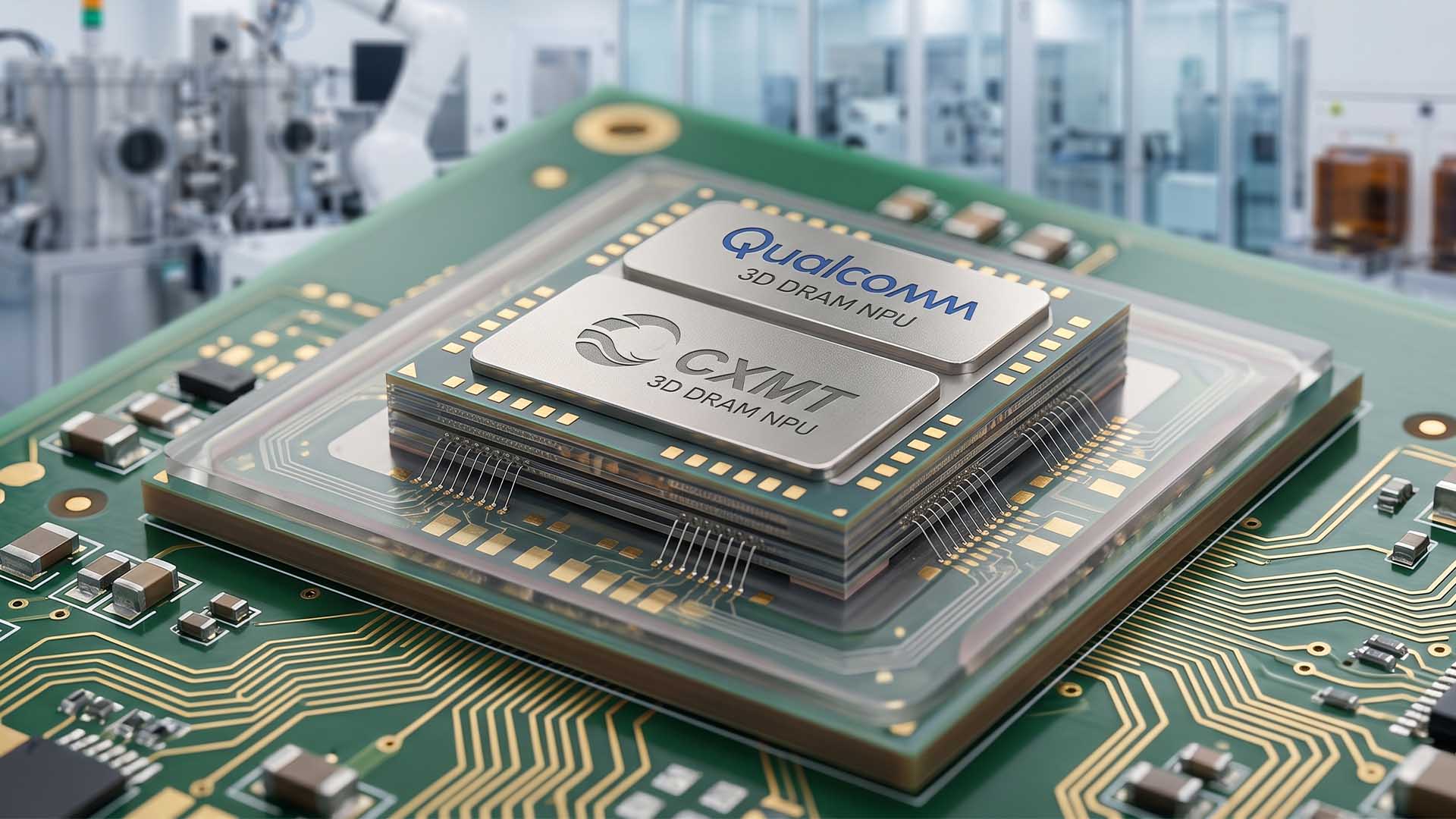
Developers building AI-driven smartphone applications will soon face a new hardware challenge: integrating neural processing units that leverage 3D DRAM. Qualcomm and CXMT are reportedly working on this technology, targeting mass-market adoption by 2027.
The partnership signals a shift in how mobile platforms handle AI workloads. Traditionally, NPUs have relied on embedded memory architectures, but 3D DRAM integration could redefine performance benchmarks for image processing and machine learning tasks. However, the move also introduces complexities around software optimization and ecosystem compatibility that developers must prepare for.
Key Specifications
- Technology: 3D DRAM-based NPU
- Performance: Expected to outperform current NPUs in AI workloads
- Target Platform: Smartphones (Android ecosystem)
- Timeline: Mass production by 2027
The collaboration between Qualcomm and CXMT is part of a broader trend in the industry to push the boundaries of on-device AI. While 3D DRAM has been used in high-end GPUs for years, its application in NPUs represents a new frontier. The technology promises lower latency and higher bandwidth, which could translate to smoother real-time translations or more efficient computer vision models.
Industry Implications
For developers, the shift to 3D DRAM NPUs introduces both opportunities and risks. On one hand, the performance gains could unlock new capabilities in mobile applications, from augmented reality to advanced natural language processing. On the other, the integration of such specialized hardware may lead to tighter platform lock-in, forcing developers to optimize for specific chipsets rather than maintaining cross-platform compatibility.
Qualcomm's decision to partner with CXMT also reflects a strategic move to diversify its supply chain while leveraging CXMT's expertise in 3D DRAM integration. This collaboration could set a precedent for how other mobile platform providers approach hardware innovation, potentially leading to a more fragmented but also more competitive landscape.
As the industry moves toward this new era of mobile computing, developers will need to stay ahead of these changes. The question remains: will the performance benefits outweigh the challenges of adapting to a new hardware paradigm? For now, the focus is on 2027, but the implications for software design and ecosystem strategy are already clear.